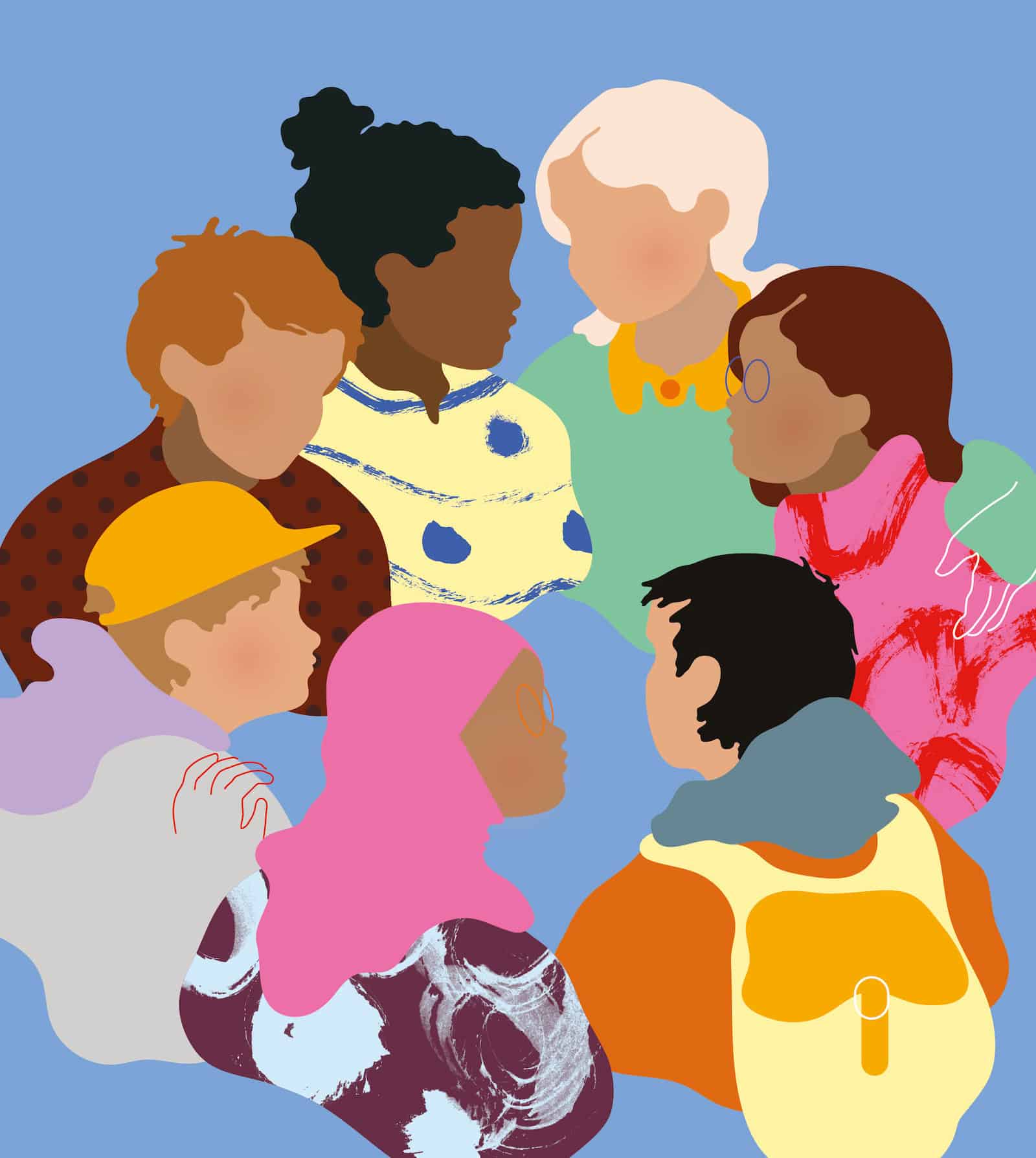
At Halling Primary School in Kent, a nine-year-old named Jess holds an official title: suggestion box leader and staff liaison officer. She isn't playing pretend. When she and her classmates proposed a "buddy bench" to help lonely children find playmates, the school listened—and built it. That shift from tokenism to real influence is what Smart School Councils, a UK charity founded in 2014 by former teacher Greg Sanderson, is quietly reshaping across the country's classrooms.
Democracy is under strain. Far-right movements are gaining ground. Young people, especially those under 25, are disengaging from voting at historic rates. One recent survey suggested that a third of 18- to 30-year-olds in the UK would prefer an authoritarian system. But Sanderson saw an opening: what if children experienced genuine democratic participation not in civics lessons, but in the actual running of their schools?
Traditional school councils often fail. Only two in five pupils surveyed in 2011 felt their council actually listened to them. The most confident students dominated while others remained silent—a "mini-Westminster" that forgot even Westminster sometimes doesn't work. Smart School Councils took a different approach. Schools access a digital platform offering thousands of discussion questions tailored to every age group, from news stories to school issues. Pupils lead weekly 15-minute meetings, capture responses, and propose ideas. The software is designed for simplicity: even five-year-olds can facilitate discussions. Teachers step back. Every voice gets space.
The results at Halling Primary tell the story. Before switching to the SSC model three years ago, meetings happened but nothing changed. Now, children propose "buddy benches," new clubs, playground repainting, and house divisions for competitions. A "communications team" of year five and year six pupils presents these ideas to educators. Ellie Nott, the school's assistant headteacher, noticed something deeper: children started understanding that positive change requires their effort. "If you can look back and say, 'I had an idea when I was six, and somebody listened, and then it happened', that will stand children in good stead, hopefully, to vote when they're older," she said.
The ripple effects extend beyond governance. Almost 90% of pupils at participating schools now feel listened to—compared with 36% beforehand. More than 90% of teachers report improved listening and speaking skills. Rachel Gray, a teacher at Kells Lane Primary in Gateshead, observes pupils genuinely responding to each other rather than waiting for their turn. Children who feel heard become more likely to speak up about concerns, creating safer schools. Confidence grows. Peer relationships strengthen.
Smart School Councils has expanded to roughly 750 schools, mostly across England with some internationally. Thirteen percent are special educational needs schools; one-fifth operate in England's most deprived areas. Yet Sanderson faces a puzzle: his venture straddles two worlds—a tech startup structured as a charity, which confuses potential investors. Schools pay annual subscriptions ranging from £199 to £549 depending on school size. Scaling remains the challenge. But at Halling Primary and beyond, children are learning something no textbook can teach: that their voices don't just matter in theory. They matter now.