When a Yao honey-hunter in Mozambique calls out "brrr-hm" into the Miombo woodland, a small brown bird answers—not in song, but in partnership. The greater honeyguide (Indicator indicator) has learned to recognize this human sound, and in return, it leads people to hidden bees’ nests, sharing the spoils: wax for the bird, honey for the human. This remarkable collaboration, honed over generations, is just one thread in a vast, hidden web of cross-species communication uncovered by a sweeping new review in Animal Behaviour. Scientists now understand that animals from wildly different lineages—birds, fish, insects, mammals—routinely exchange signals to find food, remove parasites, or gain protection, forming alliances that defy evolutionary boundaries.
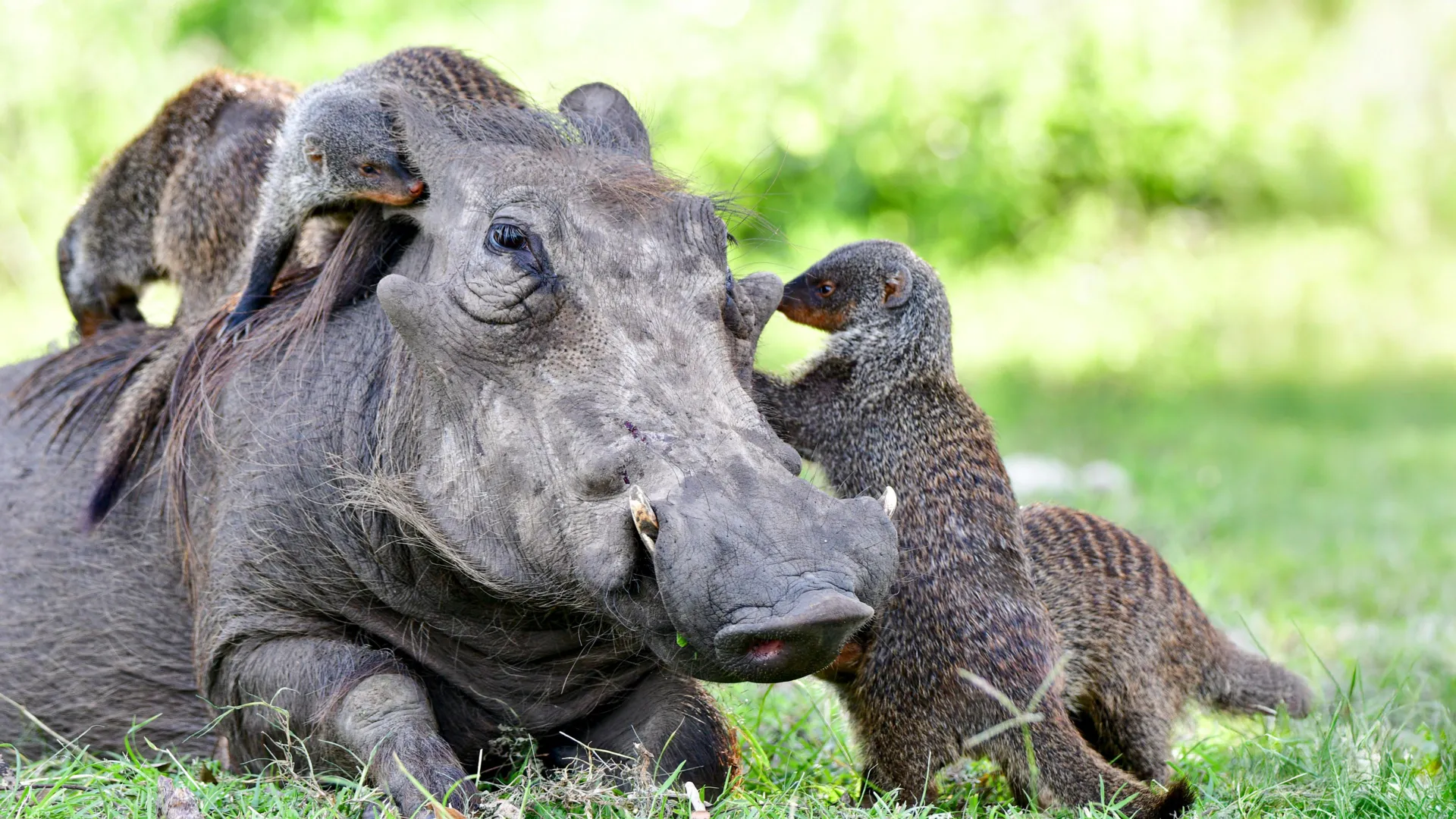
What makes these relationships work isn’t just instinct—it’s information. Cooperation across species requires precise coordination, often through calls, movements, or chemical cues that bridge sensory worlds. Cleaner fish like Labroides dimidiatus perform dance-like movements and display bright blue stripes to signal their harmless intent to predator fish, reducing the risk of being eaten while offering parasite removal. Warthogs lower their heads and spread their legs in a posture that invites oxpeckers and other cleaners to remove ticks. Even lycaenid butterfly larvae negotiate survival by sending chemical and vibrational signals to ants, persuading them to become bodyguards instead of predators.
The 58-author team, led by Dr. Katie Dunkley of the University of Oxford and including researchers from the University of Cape Town’s FitzPatrick Institute, analyzed dozens of such interactions. They found that communication doesn’t just initiate these partnerships—it sustains them. Signals help animals assess trust, avoid exploitation, and adapt to shifting environments. In some coastal communities, dolphins signal fishermen when to cast their nets, but the exact behaviors vary from region to region, suggesting learned, flexible communication rather than rigid instinct. This adaptability reveals a deeper truth: cross-species signals can evolve from accidental cues into sophisticated systems, sometimes co-opting behaviors originally meant for parenting or conflict resolution.
The study emerged from a landmark interdisciplinary workshop in Cambridge in July 2023, where anthropologists, biologists, and linguists came together to map the science of interspecies cooperation. Their synthesis shows that communication is not just a tool for survival—it’s a bridge between species, built on shared benefit and mutual understanding. As climate change and habitat loss reshape ecosystems, these cooperative networks may prove crucial for resilience. By listening more closely to the subtle signals animals exchange across species lines, scientists aren’t just decoding nature’s secrets—they’re uncovering models of collaboration that could inspire more harmonious human relationships with the natural world.