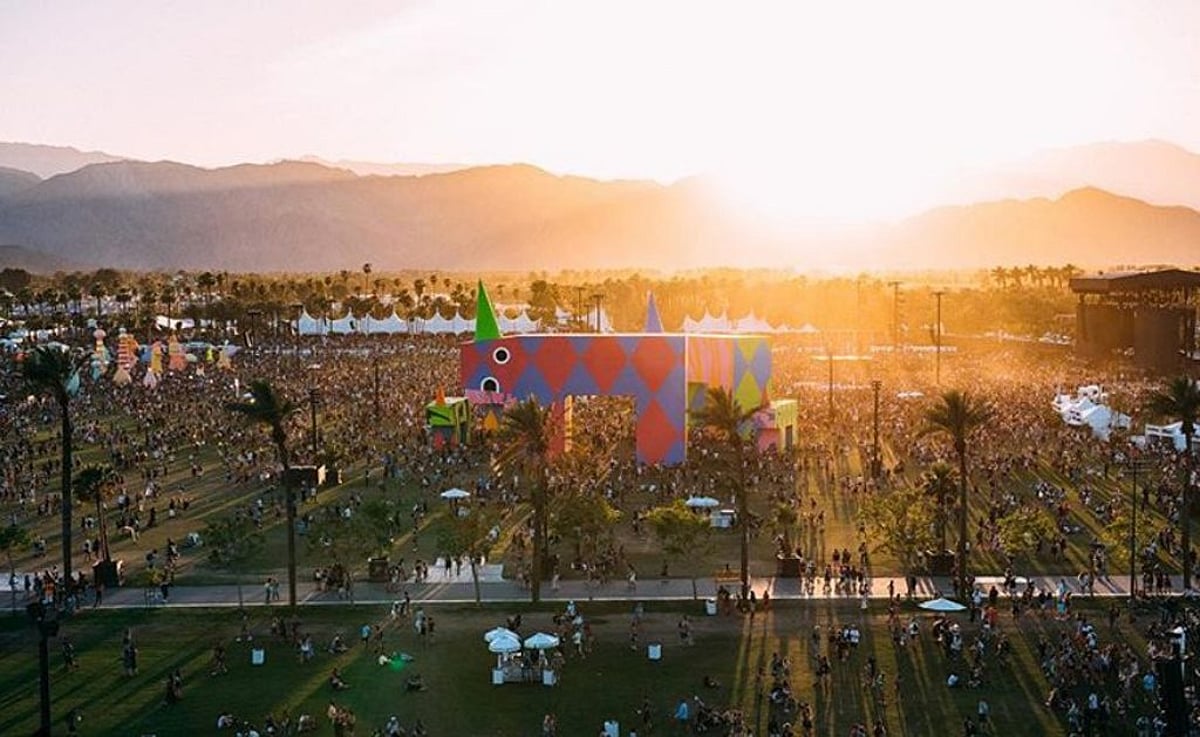
At dawn in Arunachal Pradesh's Ziro Valley, mist rolls across rice fields as strangers from across India wake in their tents, still humming melodies from last night's bonfire jam session. The Ziro Festival of Music, tucked deep in the pine forests surrounding Apatani villages, rewards travellers willing to disconnect—flights, road journeys, and an Inner Line Permit required—with four days of indie artists performing under impossibly open skies. It's one of several festivals around the world that have little interest in being loud on social media, preferring instead to temporarily rearrange a city's heartbeat.
There are two kinds of travellers: those who book flights around hotel deals, and those who impulsively cross continents after seeing strangers dancing in the rain. The world's most memorable cultural festivals belong to the latter category. They transform cities into immersive spaces where ancient streets stay awake until dawn, where music spills into alleyways, and where entire communities seem to collectively decide that sleep is optional. These aren't the mainstream circuit—they're rooted rather than manufactured, the kind that leave you returning home with muddy shoes and a voice hoarse from singing.
Kyoto in July suspends itself between ceremony and spectacle. For more than a thousand years, Gion Matsuri has taken over the city every summer, centred around elaborate Yamaboko floats that glide through streets during the grand procession. But the real magic lives in the details: lantern-lit alleys, locals in yukata, the smell of grilled street food drifting through humid evening air. Entire neighbourhoods open for celebration, transforming Japan's most orderly city into something softer and more intimate. The caveat: accommodation disappears months in advance, and staying close to Gion or Kawaramachi means you'll want to wander late into the night after formal processions end.
For film lovers, Busan each October is less a festival than a pilgrimage. Since 1996, the Busan International Film Festival has shaped Asian cinema in ways the rest of the world catches onto years later. The atmosphere is electric without feeling inaccessible—less red carpet posturing, more genuine obsession with storytelling. Screenings cluster around the Busan Cinema Center in Haeundae, where cinephiles queue for premieres alongside students and locals. Even without tickets to the biggest films, the city hums with festival energy: outdoor screenings, filmmaker talks, packed seafood restaurants, and conversations about cinema stretching well past midnight. October is also one of South Korea's loveliest months, offering a perfect excuse to explore beyond Seoul.
In Morocco's ancient imperial city of Fès, the June Festival of World Sacred Music gathers musicians from across spiritual traditions—Sufi ensembles, gospel choirs, Qawwali singers, and Andalusian orchestras—for evenings that feel almost meditative. Concerts unfold in candlelit courtyards and historic gardens, framed by towering palace walls at Bab Al Makina that seem to absorb every note. During daylight, visitors lose themselves in the medina's maze of narrow streets before returning to performances after sunset, each experience deepened by the setting itself. These festivals share a common thread: they demand effort, reward presence, and remind us why certain places on earth still hold the power to change how we see the world.