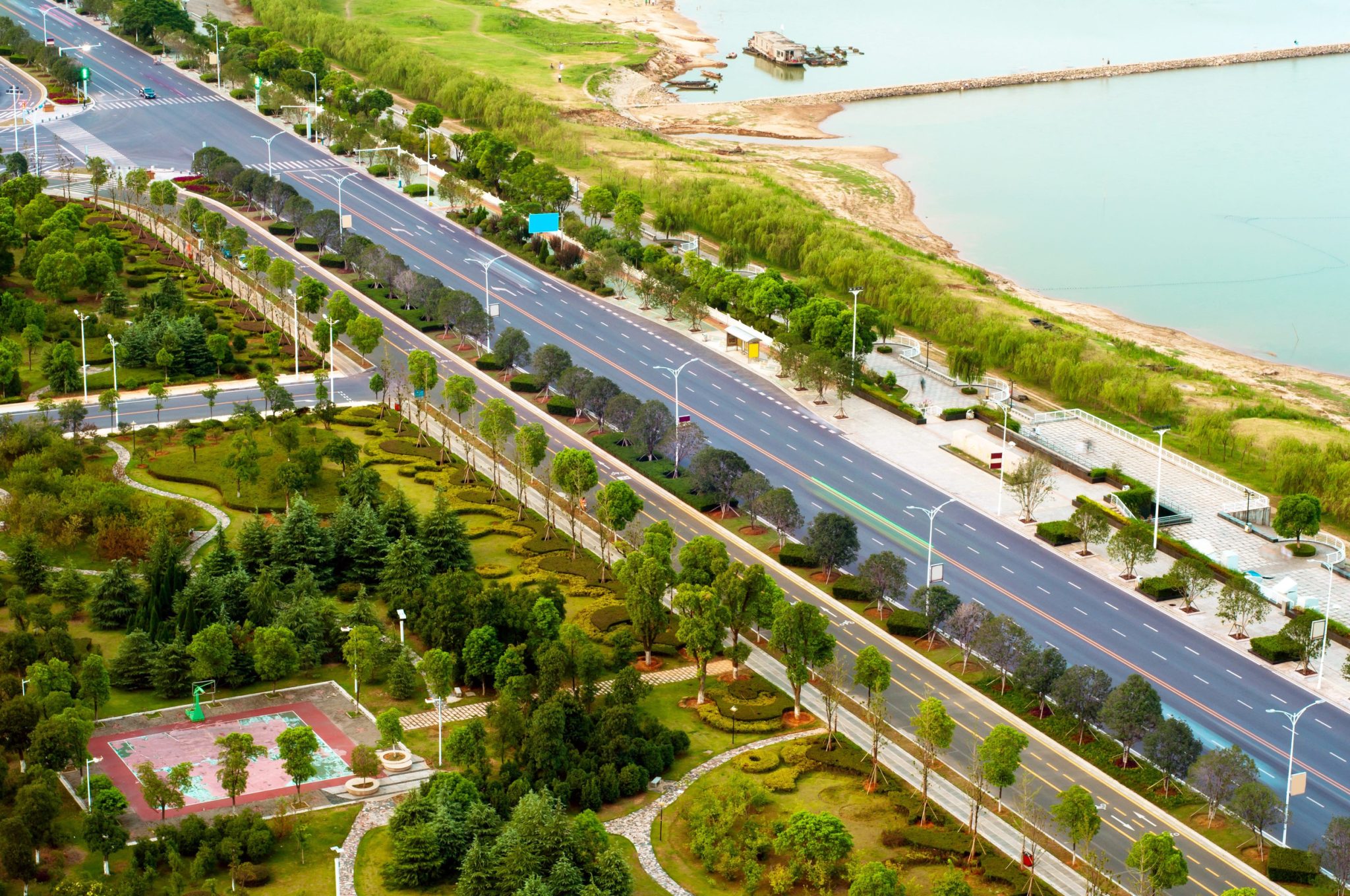
Mohammad A. Rahman and his team at the University of Melbourne planted their way into one of urban cooling's trickiest questions: Is more vegetation always better, or does the way a city arranges its trees and shrubs matter just as much as how many it plants?
The answer, revealed in new field research across Melbourne, Munich, and Hong Kong, reshapes what cities should actually do when they invest billions in fighting urban heat. It turns out that planting strategy—the thoughtful pairing of trees with shrubs, ground cover, and careful attention to street width and airflow—can be just as powerful as simply adding more canopy.
The results from Melbourne make the case in clearest terms. Street trees alone reduced mean radiant temperature—the heat radiating at a person from roads, walls, and buildings—by more than 18 degrees Celsius compared with open, unplanted streets. Mean radiant temperature is the heat people actually feel on their skin, not the air temperature itself. While air temperature barely budged, that radiant heat dropped hard. It's the difference between standing in a shaded alcove and standing on exposed pavement in midday sun.
Munich offered an even sharper argument for thoughtful design. Streets lined with trees, shrubs, and ground cover together cut afternoon heat stress by nearly eight degrees Celsius against bare open spaces—a bigger cooling effect than trees alone could produce. The layering worked. But here's where climate begins to matter: Hong Kong's results were messier, because humidity changes everything.
In Hong Kong's humid subtropical conditions, dense planting raised humidity levels enough to cancel out some of the cooling benefit. When plants transpire in already-humid air, the result isn't comfort—it's stickier air where sweat evaporates slowly and people feel worse even if the thermometer technically falls. In narrow Munich streets, that dense vegetation had another side effect: it cut airflow so much that warm air got trapped and vehicle pollution couldn't disperse, turning a cooling intervention into a pollution problem.
The researchers' conclusion cuts to the heart of why so many ambitious tree-planting campaigns miss the mark: "Climate, street width and airflow all shape whether vegetation improves comfort or creates unintended side effects," they write. That's the key insight. Canopy coverage targets developed for one city's climate don't reliably transfer to another city's conditions.
For cities now pouring resources into heat adaptation, this distinction matters enormously. Parks and large open spaces benefit from layered planting—trees, shrubs, and ground cover working together—which cools effectively and supports biodiversity. But in tight urban streets, that same approach can backfire. Shade has to be weighed against airflow. More plants can mean less comfort if airflow and humidity aren't part of the equation from the start.
The study's argument is straightforward but carries real weight: tree counts are the wrong metric. Coverage matters, but so do arrangement, plant type, climate conditions, and street geometry. Planting more is not the same as planting well. Cities that want to beat the heat without discovering unintended consequences need to build these complexities into the planning stage, not learn them the hard way after planting season ends.