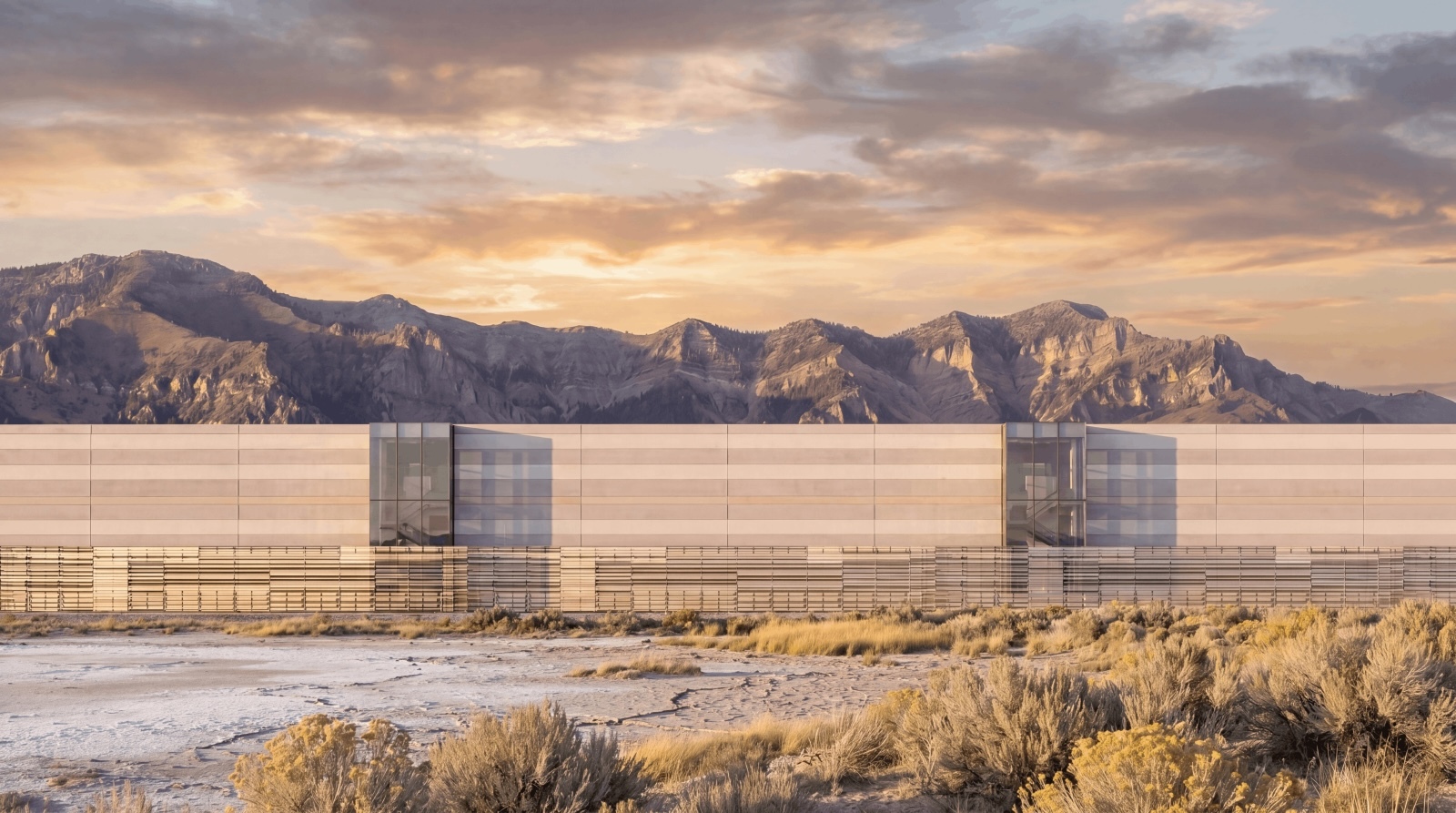
When Kevin O'Leary's Stratos Project was quietly approved to sprawl across 40,000 acres in northern Utah, the plan was simple: power the world's largest data center almost entirely with natural gas piped directly from the Ruby Pipeline running through the remote valley north of the Great Salt Lake. But after weeks of fierce grassroots opposition — including a rally at Utah's Capitol and a petition bearing over 6,000 signatures — Republican Governor Spencer Cox delivered an unexpected rebuke: that vision will "never" happen.
The shift matters because data centers are reshaping America's energy future. Electricity demand has flatlined for decades, but artificial intelligence computing is creating a surge that's straining grids across the country and leaving Western states scrambling to build new capacity. Utah's energy leaders are pushing aggressively to double the state's electricity production over the next decade through what Cox calls "Operation Gigawatt." Into this moment stepped the Stratos Project, backed by Canadian TV personality Kevin O'Leary, promised to be as large as Washington, D.C. at full build. Yet the sheer scale of what was being proposed — a 9-gigawatt natural gas plant that could raise Utah's carbon emissions by 64 percent — triggered something officials hadn't anticipated: organized, sustained opposition from neighbors and environmental advocates who saw threats to air quality, water, and the already-shrinking Great Salt Lake.
The project's water footprint alone alarmed residents. Developers say they need 13,000 acre-feet of water from Hansel Valley and surrounding agricultural land — enough to supply more than 20,000 Utah households. When a water rights application landed before state officials, it drew nearly 4,000 protest letters in a single month. "That was not a decision that was made by me or the Legislature," Cox said of the original approval, acknowledging the Military Installation Development Authority (MIDA) had bungled the process. "In the future, those are decisions that should be made by us."
Cox's pivot is real but measured. Speaking last week during a news conference announcing a geothermal partnership with Arizona, Colorado, and New Mexico, he was explicit: the first phase of Stratos can run on natural gas, "but the other phases should not be. They should be nuclear, and they should be geothermal, and solar and other technology." It's a sharp departure from MIDA's initial framing, where officials had celebrated the project's reliance on the existing pipeline as a decisive advantage.
What makes this moment significant is that Cox isn't simply opposing the data center outright — he's repositioning it within his broader energy vision. Rather than fighting the surge in computing demand that every Western governor must contend with, he's insisting that future growth align with the state's clean energy potential. The geothermal announcement itself signals where his administration wants the momentum to flow: toward partnerships and technologies that don't rely on fossil fuels to power the economy's next chapter.
The opposition has also shifted something deeper about how communities view these megaprojects. Public skepticism toward large data center developments is growing nationwide, with residents raising flags about water use, noise, energy costs, and pollution. Utah's experience shows that even in a state whose leadership embraces rapid energy development, the social license for massive infrastructure depends on transparency and genuine local input. For the Stratos Project to move forward, it will now have to prove it can deliver computing power without compromising the region's air, water, and future.