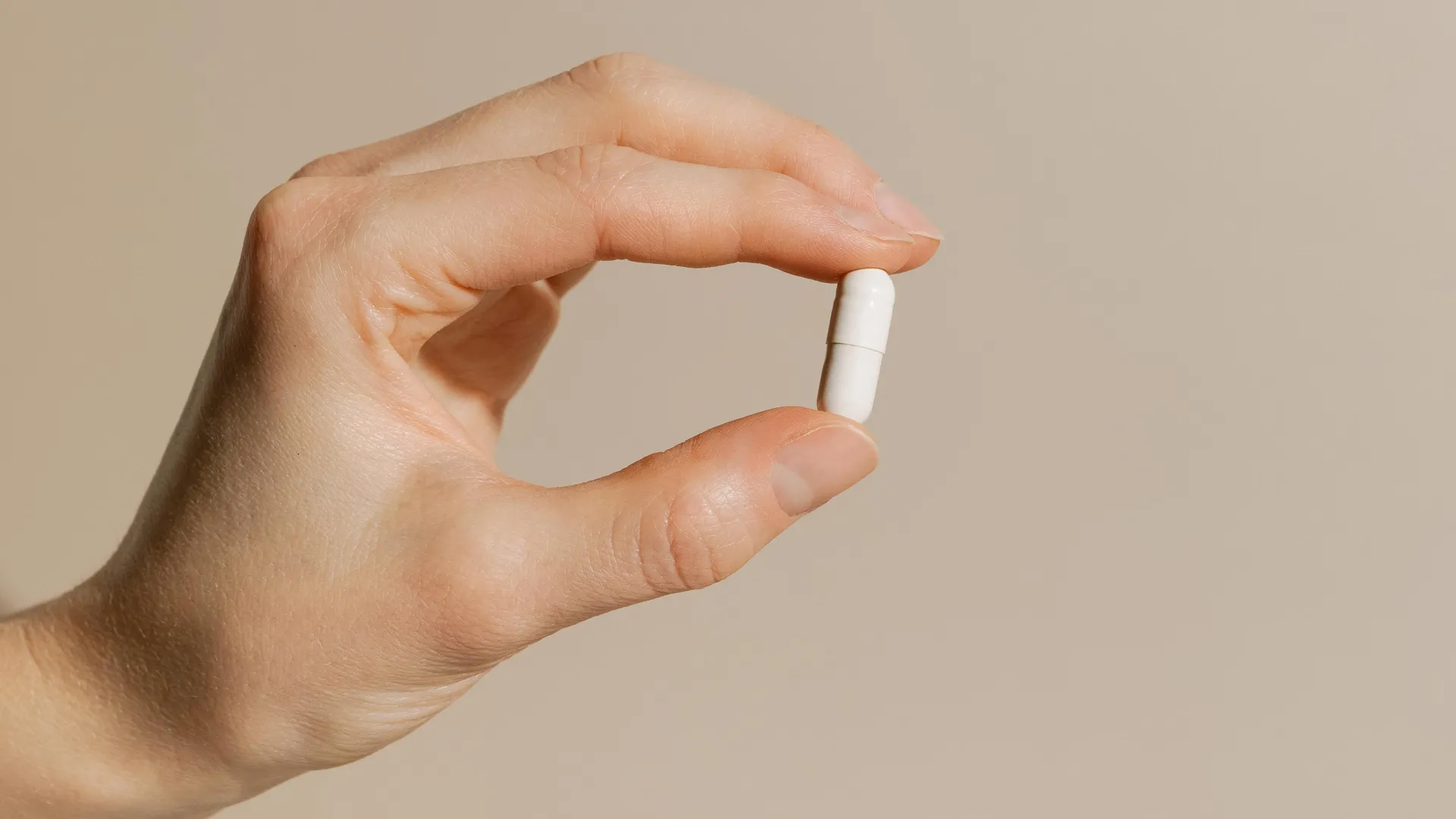
Diletta Barbiani handed 90 older adults in Milan a small white pill — and changed how they remembered their lives. The pill contained no active ingredient, no secret formula, just the power of belief. After three weeks, those who took the placebo, even knowing it was fake, saw real gains: sharper memory, lower stress, stronger physical performance. The most surprising part? The truth worked better than deception.
At the Università Cattolica in Milan, a team led by Barbiani, Alessandro Antonietti, and Francesco Pagnini set out to test whether the placebo effect could influence the natural decline of aging — not in sick patients, but in healthy older adults living independently. Supported by PNRR grants through the Age-IT project, their study, published in the International Journal of Clinical and Health Psychology, marks the first to explore open-label placebo use in aging, where participants know they’re taking an inactive substance. Could simply believing in a treatment help maintain memory, mobility, and mood?
The researchers split participants into three groups: one received no treatment, another was told they were taking a real supplement, and the third was told the pill was a placebo that could still help through mind-body mechanisms. After three weeks, both placebo groups improved, but the open-label group — those who knew the truth — showed the most striking results. Their physical performance increased by 9.2%, outpacing the 7% gain in the deceptive group. On memory tests, their scores jumped by up to 21.5%, compared to 14.6% in the group misled into thinking they were taking a real supplement. Stress levels dropped most significantly in those aware they were taking a placebo, suggesting that transparency, not trickery, unlocked the mind’s potential.
These aren’t minor shifts. As Pagnini notes, the improvements are comparable to those seen in studies on physical exercise and cognitive training — interventions long considered gold standards in healthy aging. Participants also reported less drowsiness and more optimism, with shifts in how they viewed aging itself. The mind, it turns out, isn’t just along for the ride — it’s steering.
The implications are profound. If simply taking a known placebo can boost memory and mobility, could this become a low-cost, side-effect-free tool for aging populations? The researchers believe so. Open-label placebos sidestep ethical concerns tied to deception, making them a viable complement to traditional interventions. As the global population ages — with over 1.5 billion people expected to be over 60 by 2050 — solutions that harness the body’s own resilience are more valuable than ever. This study doesn’t just reveal the power of belief — it offers a new path forward, one pill-shaped symbol of hope at a time.