When Sarah Thompson sits down to her usual lunch of mixed greens, an apple, and a handful of strawberries, she feels good about her choices—five-a-day ticked, heart health secured. But according to groundbreaking new research, she might still be missing a crucial nutrient her heart needs. A global study published on June 8, 2026, in the journal Food and Function reveals that even people like Sarah, who eat their recommended fruits and vegetables, are falling short on flavanols—natural compounds now proven to significantly reduce the risk of dying from cardiovascular disease. The study, led by scientists from the University of Reading, Harvard Medical School, the University of California Davis, and Mars, Inc., analyzed biomarker data from over 30,000 people in the UK and US, and found a startling truth: fewer than 20% reach the 500 milligrams of flavanols per day linked to real heart protection.
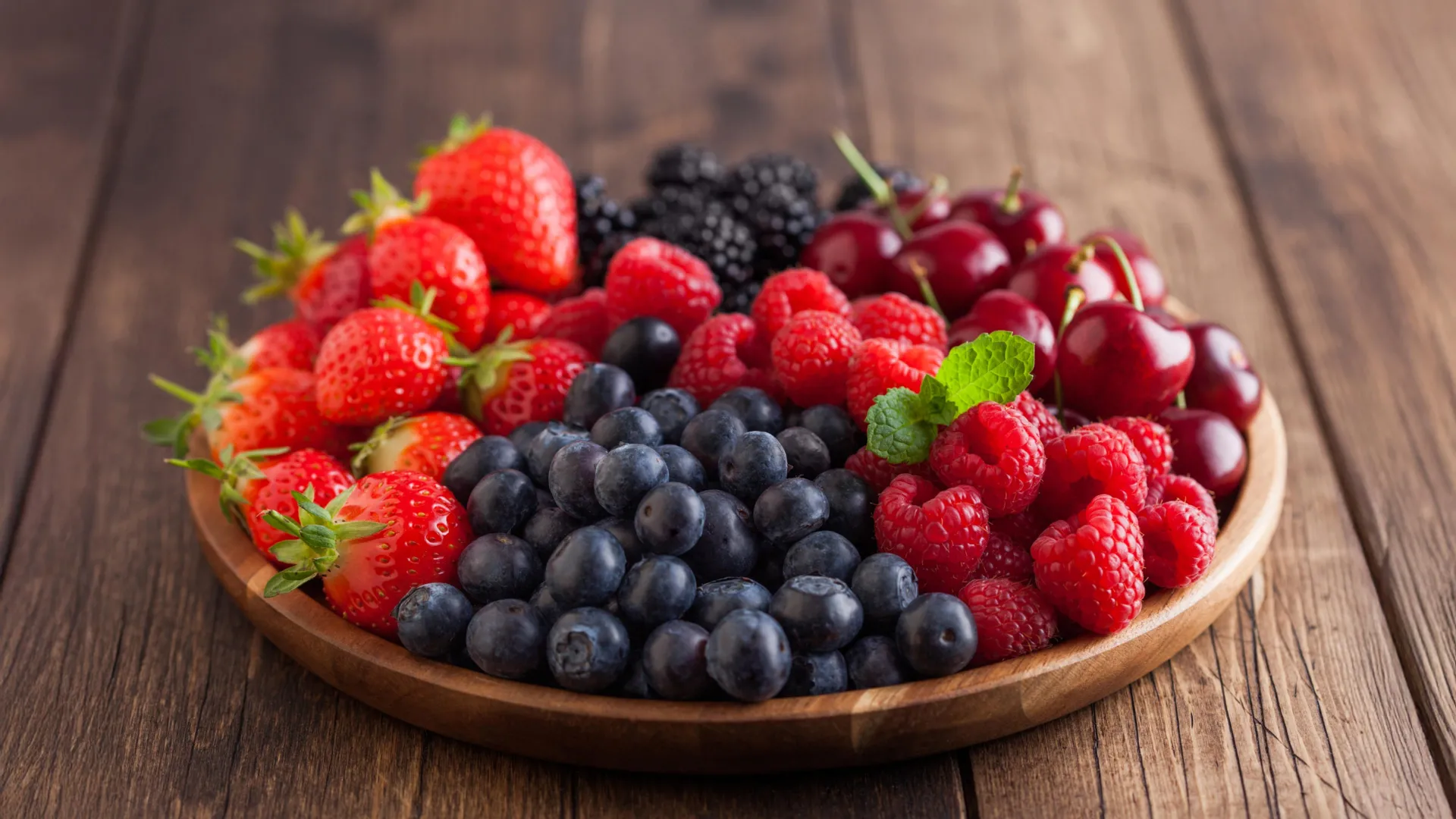
This isn’t about eating more produce—it’s about eating the right kinds. While an apple with skin delivers about 110mg of flavanols and a cup of green tea offers roughly 200mg, common choices like lettuce or bananas provide almost none. The research shows that plums (450mg per 500g), blackberries (250mg per 200g), and cranberries (300mg per 250g) are among the most potent sources. Even broad beans and pinto beans contribute meaningful amounts. Dr. Javier Ottaviani, the study’s lead author, puts it plainly: "What this research shows is that the specific choices you make matter far more than the total amount."
The implications go beyond personal habits. For decades, public health campaigns have promoted the "five-a-day" message as a gold standard. But Professor Gunter Kuhnle of the University of Reading argues it’s time to evolve: "Five-a-day is the right message, but we may need to think more carefully about which five." His point is simple—nutritional guidance should reflect not just quantity, but quality. Different fruits and vegetables offer vastly different health benefits, and flavanols are just one example of compounds we’re now learning to measure and understand.
The good news? Small shifts can make a big difference. Swapping a banana for a handful of cherries, adding green tea to breakfast, or tossing blackberries into a salad can dramatically boost flavanol intake. These aren’t drastic changes, but they align with a growing movement toward precision nutrition—eating not just for fullness or calories, but for measurable health outcomes. As researchers continue to decode the hidden benefits in our food, the future of dietary advice may look less like a checklist and more like a tailored blueprint for long-term wellness. For now, the message is clear: what you choose matters as much as how much you eat.