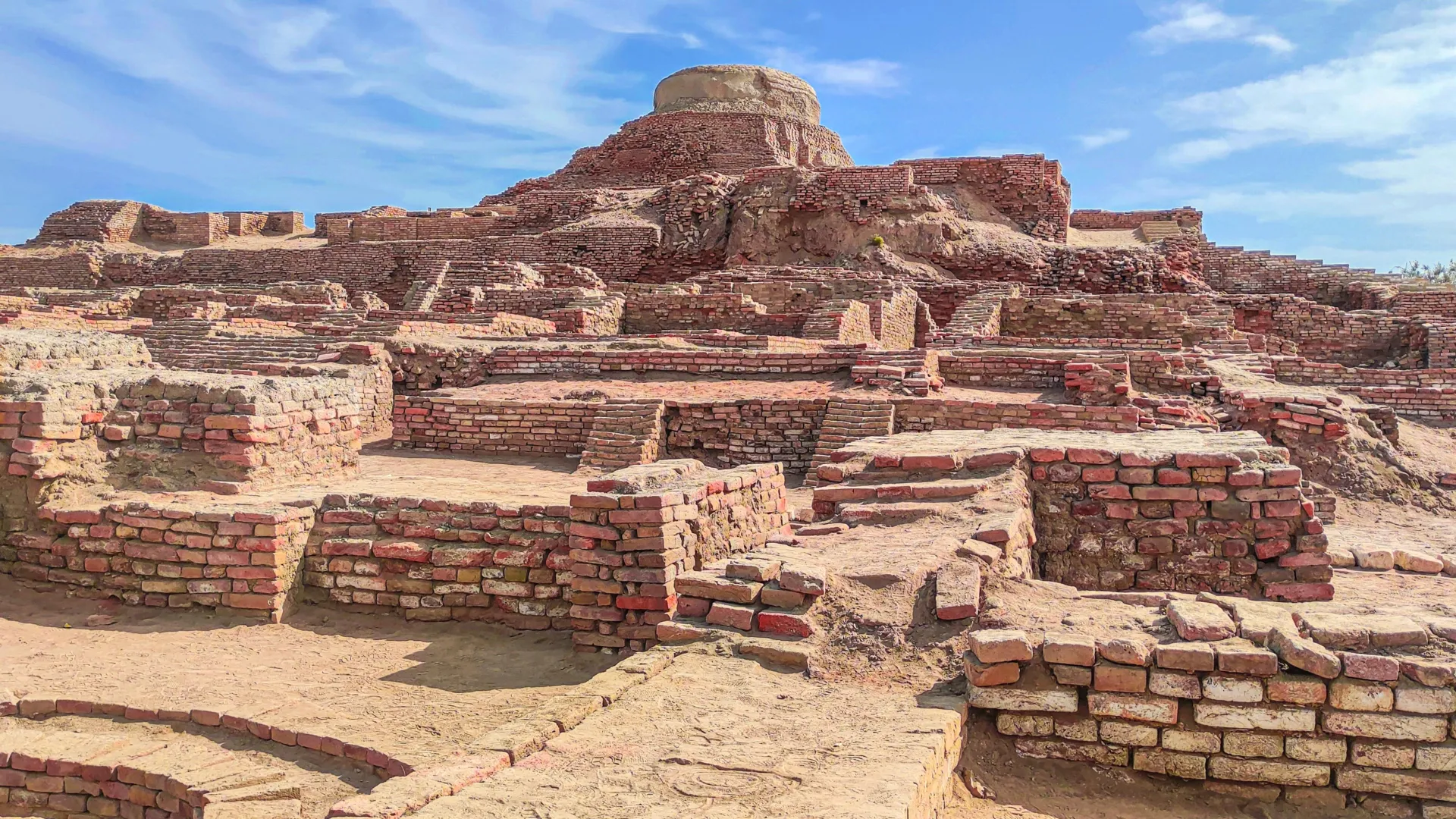
Around 4,000 years ago, a remarkable city in what is now Pakistan was quietly rewriting the rules of urban life. While ancient Egyptians built pyramids for god-kings and the Greeks constructed massive palaces, the people of Mohenjo-daro were doing something entirely different. They were building a society where wealth, power, and resources were shared more fairly among everyday people.
A new study from the University of York challenges the long-held idea that cities naturally create greater inequality. Historians have long argued that when small farming villages grew into cities, kings, priests, and powerful leaders would hoard wealth, leaving the gap between rich and poor to widen. But Mohenjo-daro tells a different story.
Researchers examined hundreds of homes across the ancient city, the largest in the Indus civilization. They found that as Mohenjo-daro grew larger, more productive, and more successful, its society actually became more equal. The gap between the largest and smallest houses narrowed over time. By the city's later years, this wealth gap had dropped to levels typically seen in the very first farming villages.
"While ancient Egyptians were building pyramids for god-kings, and the Greeks were constructing massive palaces at Knossos, the people of the Indus were building something entirely different," said Dr. Adam Green, the study's lead author from the University of York's Department of Archaeology.
What made Mohenjo-daro stand out was where it chose to invest its energy and resources. Instead of grand monuments celebrating rulers, the city built sophisticated brick-lined drainage systems and carefully planned street layouts. These public works benefited everyone, not just a wealthy elite.
Archaeologists have also found Indus seals, which were important tools for trade and business, scattered inside ordinary homes rather than locked away in royal storage rooms. The city had no known palaces where a ruler could control commerce. A standardized system of weights and measures helped ensure fair trade across the entire region.
"Mohenjo-daro is often cited as being famous for what it doesn't have, such as the absence of palaces for kings, gold-filled tombs, and no statues of rulers," Dr. Green said. "But what it does have is so important."
The researchers argue this ancient city offers a powerful lesson for today. Mohenjo-daro proves that a society can be highly productive and technologically advanced while still distributing resources equitably. In fact, sharing power and resources widely may have been essential to its long-term success.
"It challenges the idea that prosperity requires us to concentrate decision-making powers in the hands of the few," Dr. Green said. "An urban society can be highly productive and inventive at scale, whilst also ensuring that resources and power are shared equitably."