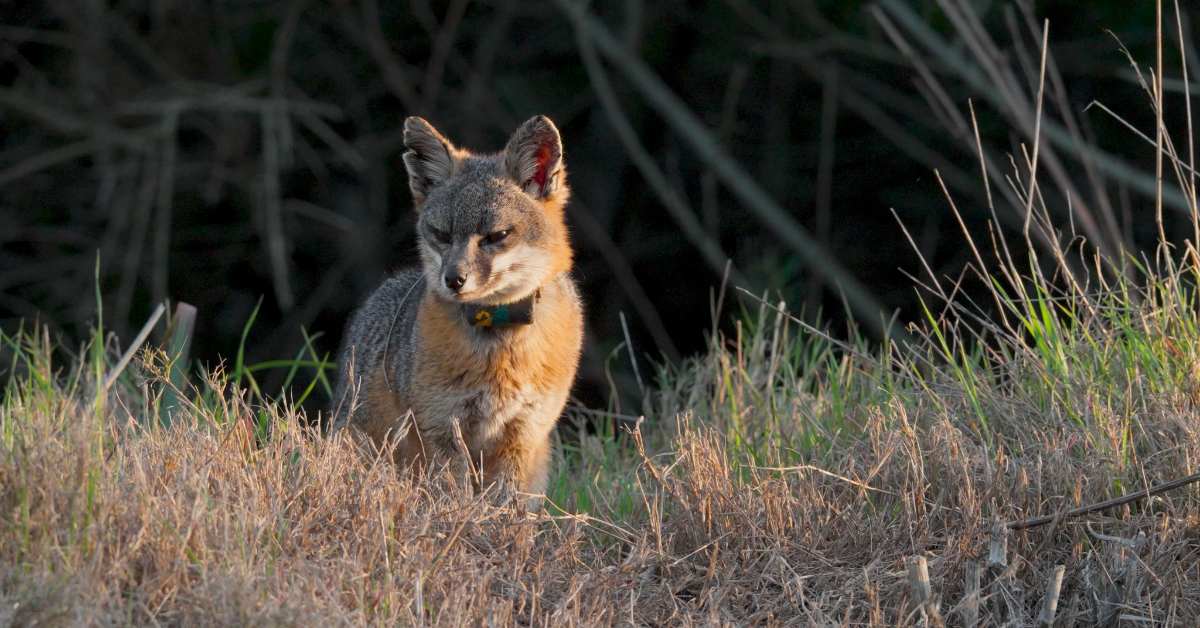
In 1999, the Santa Catalina Island fox — a creature found nowhere else on earth — came within a whisker of extinction. A canine distemper virus, likely carried to the island by a stowaway raccoon, swept through the population with devastating speed, collapsing numbers from around 1,300 animals to just 100 in roughly a single year. A 90% crash in twelve months. For a species endemic to a small island off Los Angeles, it looked like the end.
But the Catalina Island fox was too vital to lose. Weighing just 4 to 6 pounds, this tiny predator is the island's largest native land mammal — a keystone species that controls prey populations and disperses native seeds, holding the entire ecosystem in balance. When the Catalina Island Conservancy and the Institute for Wildlife Studies realized what was at stake, they mobilized. Through captive breeding, targeted vaccination campaigns, and meticulous population monitoring, they launched one of conservation's most urgent rescue efforts.
By 2004, just five years after the crash, the population had tripled. The recovery accelerated. By 2016, the fox was downlisted from endangered to threatened status — a milestone so rare and remarkable that biologists hailed it as the fastest mammal recovery in the entire history of the Endangered Species Act. Today, hundreds of foxes roam the island again, each one monitored, vaccinated, and cared for by a network of dedicated professionals and volunteers.
The work hasn't stopped. Conservation staff perform regular health checks and administer vaccines against canine distemper and rabies. Volunteer pilots partner with ground teams to track foxes using telemetry, painting an aerial and terrestrial picture of the population's health. Vehicle strikes, ear mites, and disease remain real threats, keeping the species classified as threatened rather than fully recovered. But the vigilance is constant. It was residents of Avalon, the island's main town, who first spotted sick foxes back in 1999 — a reminder that local communities are often the frontline of conservation.
The little fox has become something larger than itself: an ambassador for the entire island ecosystem. Its illustrated likeness now appears on wildfire safety campaigns, making it the face of protection efforts across Catalina. That matters because the fox is one of 60 plant and animal species found nowhere else on earth — an island laboratory of unique life forms that would be lost forever without deliberate action. As Dr. Lauren Dennhardt, senior director of conservation at the Conservancy, points out, having a charismatic, relatable species helps focus community support for the broader conservation mission.
The fox's story is a testament to what becomes possible when financial resources meet focused expertise and community passion. It shows that extinction is not inevitable — that species on the brink can be brought back if enough people commit to the work. The message from Catalina Island Conservancy is simple and powerful: "The Island fox is still here. That's not luck. That's what conservation looks like."