Cynthia Schraf-Fletcher, 74, kneels in her garden with ease, tending to flowers just as she did decades ago — a simple act that, until recently, brought her sharp pain and frustration. Less than a year after undergoing a minimally invasive procedure called genicular artery embolization (GAE) at the University of Colorado Anschutz School of Medicine in Aurora, her right knee feels nearly as good as the left one did after total replacement — but without the lengthy recovery or surgical risks. For Schraf-Fletcher, the outcome was "remarkably" successful, and she’s not alone. GAE is emerging as a promising middle ground for the millions of Americans caught between failed conservative treatments and the prospect of major joint surgery.
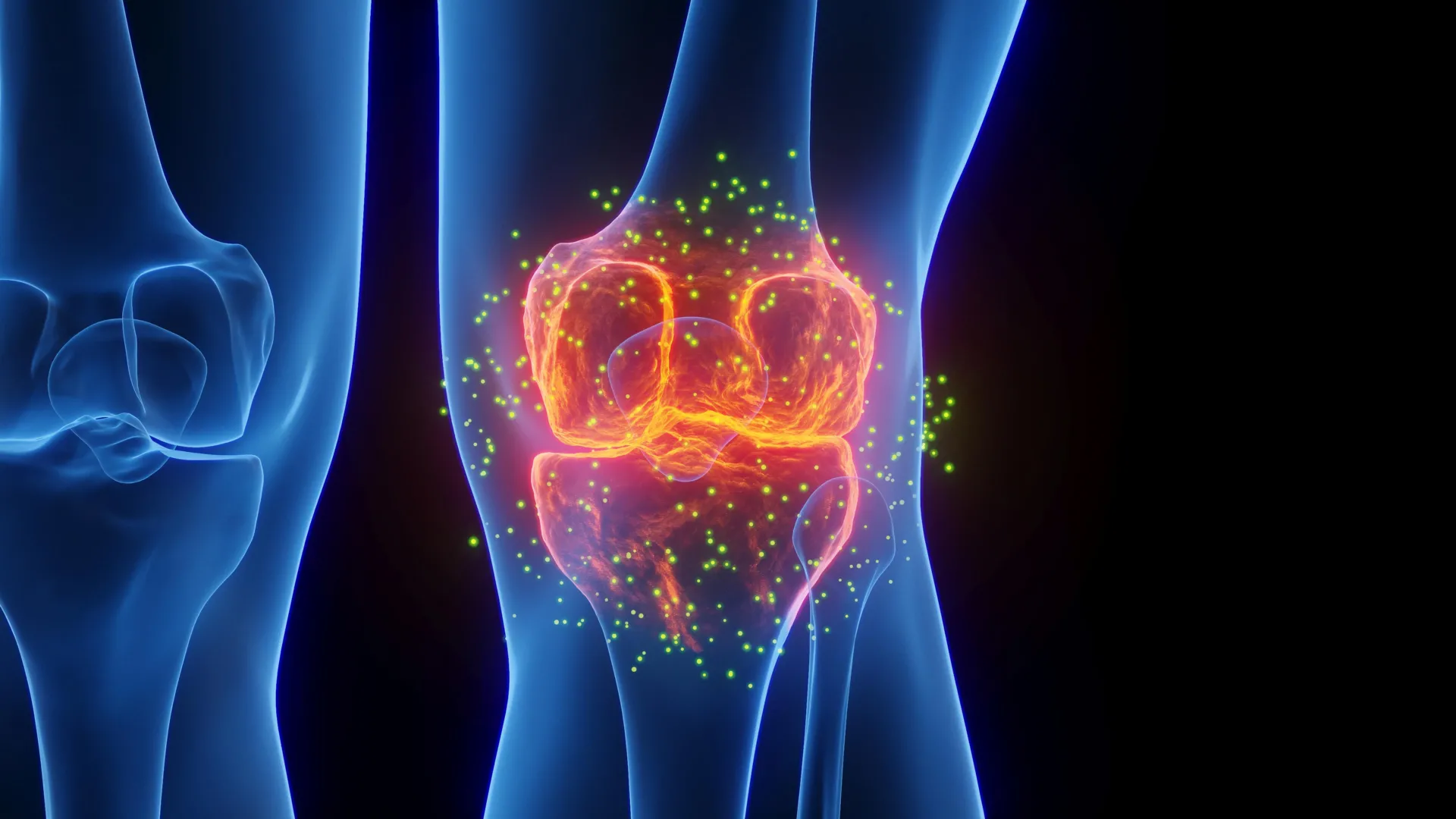
Osteoarthritis, the most common form of arthritis, affects over 32 million U.S. adults, many of whom face a limited treatment ladder: painkillers, physical therapy, injections, and eventually knee replacement. But what if there were another option? Dr. Leigh Casadaban, assistant professor of radiology and vascular interventional radiologist at CU Anschutz, is helping pioneer GAE as a way to disrupt that narrow path. The outpatient procedure targets abnormal blood vessels around the knee that feed inflammation, using microscopic beads to block blood flow to those areas. Guided by X-ray imaging, the team threads a catheter through the femoral artery to deliver the treatment in about 90 minutes, all under conscious sedation.
Patients like Schraf-Fletcher, who previously endured complications from knee replacement surgery, are finding new hope. According to Casadaban, about 70% of patients experience dramatic pain reduction — cutting their pain scores by half or more — with effects lasting up to two years in U.S. studies and four years in Japanese data. The FDA has recognized the potential, granting breakthrough device status to multiple GAE-related technologies since 2021. While those with mild to moderate osteoarthritis benefit most, even some with advanced disease report meaningful relief. Recovery is swift: most go home the same day and resume normal activities within days.
At CU Anschutz, Casadaban is leading two clinical trials to deepen understanding of how GAE works — one analyzing changes in knee joint fluid, the other testing a temporary embolization device called Nexsphere-F. But the implications may stretch beyond the knee. Researchers are now exploring whether similar techniques could treat frozen shoulder, tennis elbow, and plantar fasciitis. For patients weary of temporary fixes and fearful of surgery, GAE offers something rare in chronic pain care: lasting relief without the scalpel. As research grows, this small incision with a big impact could redefine how we treat joint pain — one bead, and one garden kneel, at a time.