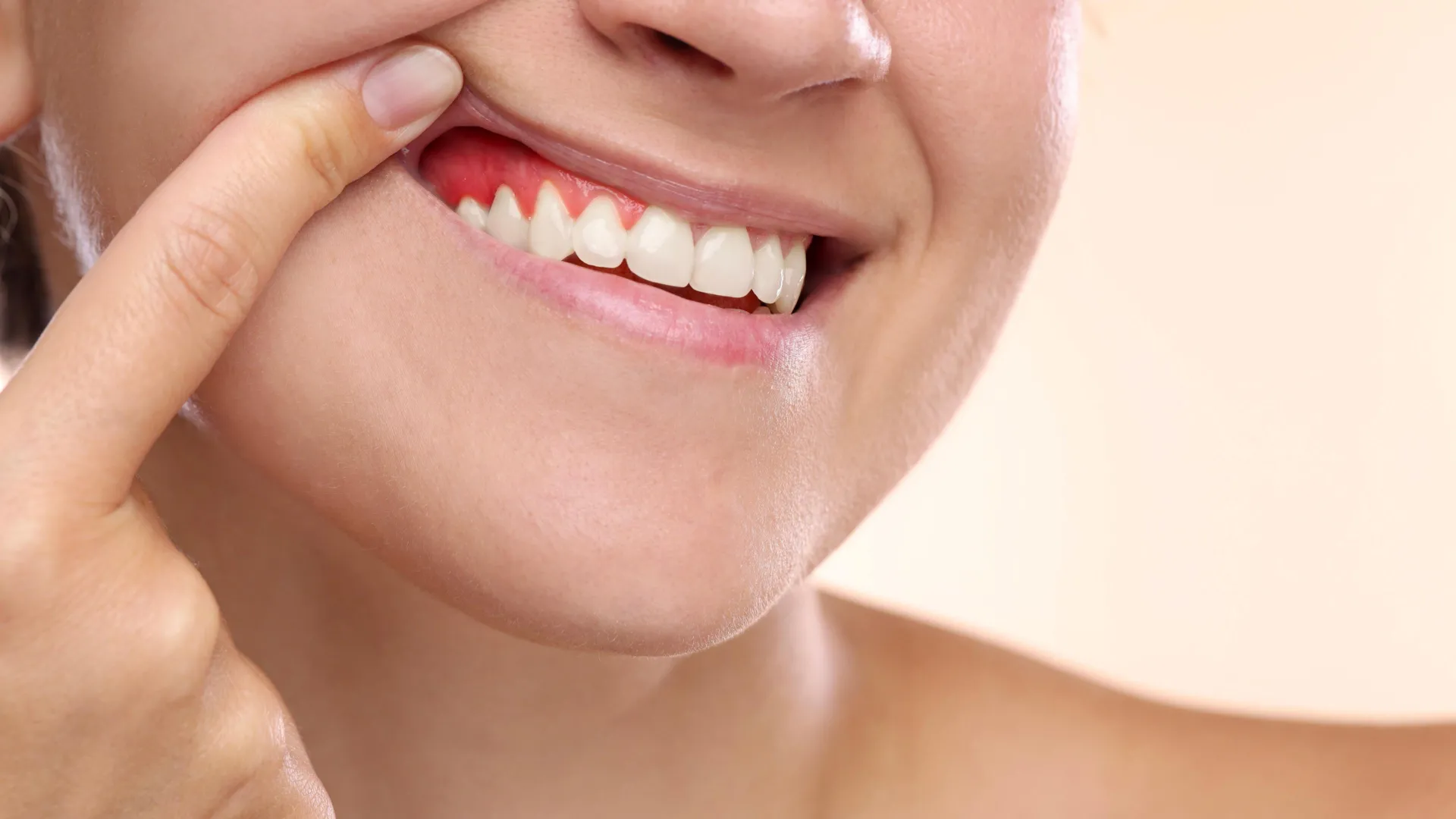
Deep in a lab in Sorocaba, Brazil, a sticky white drop oozes from a freshly harvested jackfruit — and inside that humble latex, scientists see the future of gum disease treatment. At the Faculty of Medical and Health Sciences (FCMS) of the Pontifical Catholic University of São Paulo (PUC-SP), Professor Eliana Aparecida de Rezende Duek and her team have transformed this overlooked agricultural byproduct into a revolutionary biomaterial that could regenerate damaged gum and bone tissue, a breakthrough for the 1 billion people worldwide living with periodontitis. This chronic inflammatory disease destroys the structures anchoring teeth, leading to bone loss and tooth decay — and current treatments often fail to reverse the damage. But this new gel, made from jackfruit latex, pomegranate peel extract, and the cholesterol drug simvastatin, doesn’t just fight infection — it actively rebuilds.
The innovation lies in its smart design. Jackfruit latex acts as a natural adhesive, helping the gel stick to gum tissue and deliver medicine exactly where it’s needed, reducing reliance on systemic antibiotics. Pomegranate peel brings potent antimicrobial power, while simvastatin — typically processed by the liver when taken orally — is delivered locally to avoid side effects and maximize its newly recognized ability to stimulate bone growth. Together, they form a mucoadhesive matrix that stays in place and works precisely. Supported by FAPESP (projects 23/17083-8 and 23/12039-0) and published in Polymer Bulletin, the study tested the gel on human adipose-derived stem cells, loading it with simvastatin at three concentrations: 0.3%, 0.6%, and 1.2%. Remarkably, all three triggered osteoinduction — the transformation of stem cells into bone-forming cells — within just 14 days, with even stronger results by day 21.
These findings are especially promising because they tackle two major hurdles in periodontal therapy: unpredictable regeneration and systemic drug risks. By delivering simvastatin directly to the site of infection, the gel bypasses the liver, potentially eliminating the risk of muscle degeneration linked to high oral doses. And because the gel is made from natural, low-cost, and widely available materials, it could be scaled affordably, particularly in tropical regions where jackfruit grows abundantly. “We observed that the developed biomaterial has great potential for future applications in treating periodontitis and in other areas as well, especially since it involves a material that has received little attention in the scientific literature for biomedical use,” says Duek. While clinical trials are still ahead, the team is moving forward with further safety and efficacy studies. If successful, this humble fruit from the Brazilian tropics could one day sit on dentists’ shelves — not as a snack, but as a healer.