South Korean scientists have discovered that a common probiotic bacterium in kimchi appears to bind to nanoplastics and help flush them from the human body—a finding that could offer hope against one of the most pervasive pollutants of our time.
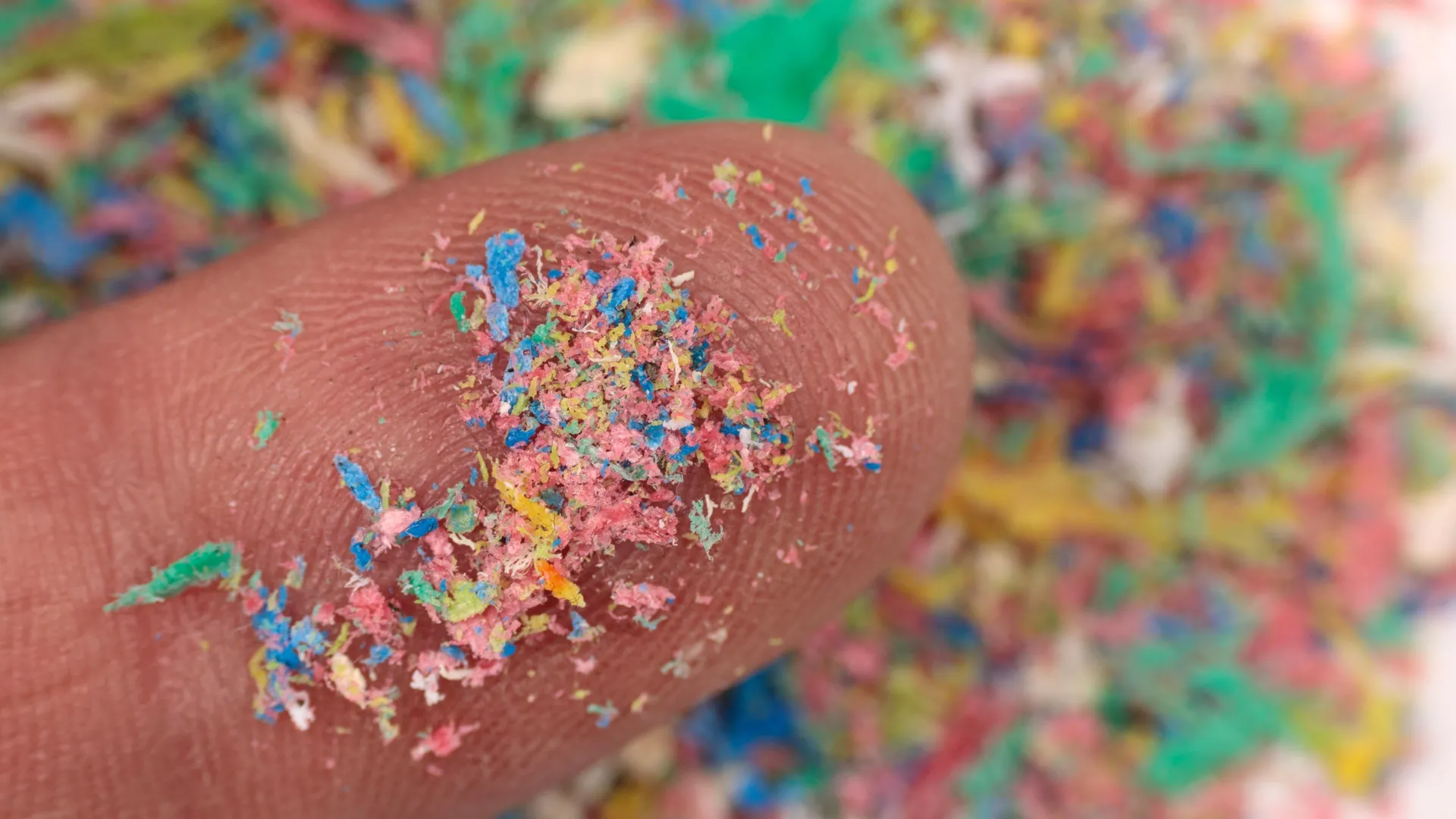
Researchers at the World Institute of Kimchi, a government-funded research institute under South Korea's Ministry of Science and ICT, made the discovery by isolating and testing a strain of lactic acid bacteria from kimchi called Leuconostoc mesenteroides CBA3656. The work addresses a growing public health concern: nanoplastics are entering our bodies through food and drinking water, and because these particles measure less than one micrometer—one-thousandth of a millimeter—scientists worry they may slip through the intestinal barrier and accumulate in vital organs including the kidneys and brain.
Led by Drs. Se Hee Lee and Tae Woong Whon, the research team focused on how effectively the kimchi-derived bacterium could attach to polystyrene nanoplastics. Under standard laboratory conditions, strain CBA3656 achieved an adsorption efficiency of 87 percent, nearly matching a reference strain that recorded 85 percent. But the real breakthrough came when researchers recreated conditions that mimic the human intestine. While the reference strain's binding ability plummeted to just 3 percent, the kimchi bacterium maintained a far stronger grip at 57 percent—suggesting it could continue binding to nanoplastics even in the warm, acidic environment of the digestive tract.
The laboratory findings became even more compelling when tested in living subjects. Germ-free mice that received the CBA3656 strain showed more than double the amount of nanoplastics in their feces compared to control mice, indicating that the bacterium may be actively promoting the excretion of these particles from the body.
The implications ripple outward in several directions. First, the findings suggest that the microorganisms in traditional fermented foods do far more than aid digestion—they may actively interact with environmental pollutants inside the body. Second, as plastic pollution becomes increasingly recognized as a public health crisis rather than merely an environmental one, biological solutions derived from foods we already eat could offer a gentle, accessible intervention.
"Plastic pollution is increasingly recognized not only as an environmental issue but also as a public health concern," Dr. Sehee Lee said in a statement accompanying the research. "Our findings suggest that microorganisms derived from traditional fermented foods could represent a new biological approach to address this emerging challenge."
The study, published in Bioresource Technology—the top-ranked journal in its field with an impact factor of 9.0—arrives at a moment when scientists are still in the early stages of finding biological ways to reduce nanoplastic accumulation in the digestive system. The work does not propose kimchi as a cure, but rather as one promising avenue among many that merit further investigation.
Dr. Lee has signaled that the research will continue, with plans to expand what he calls "the scientific value of kimchi microbial resources to contribute to public health and environmental solutions." For a food that has been fermented in Korean kitchens for centuries, its potential role in addressing a twenty-first-century crisis is only now being fully understood.