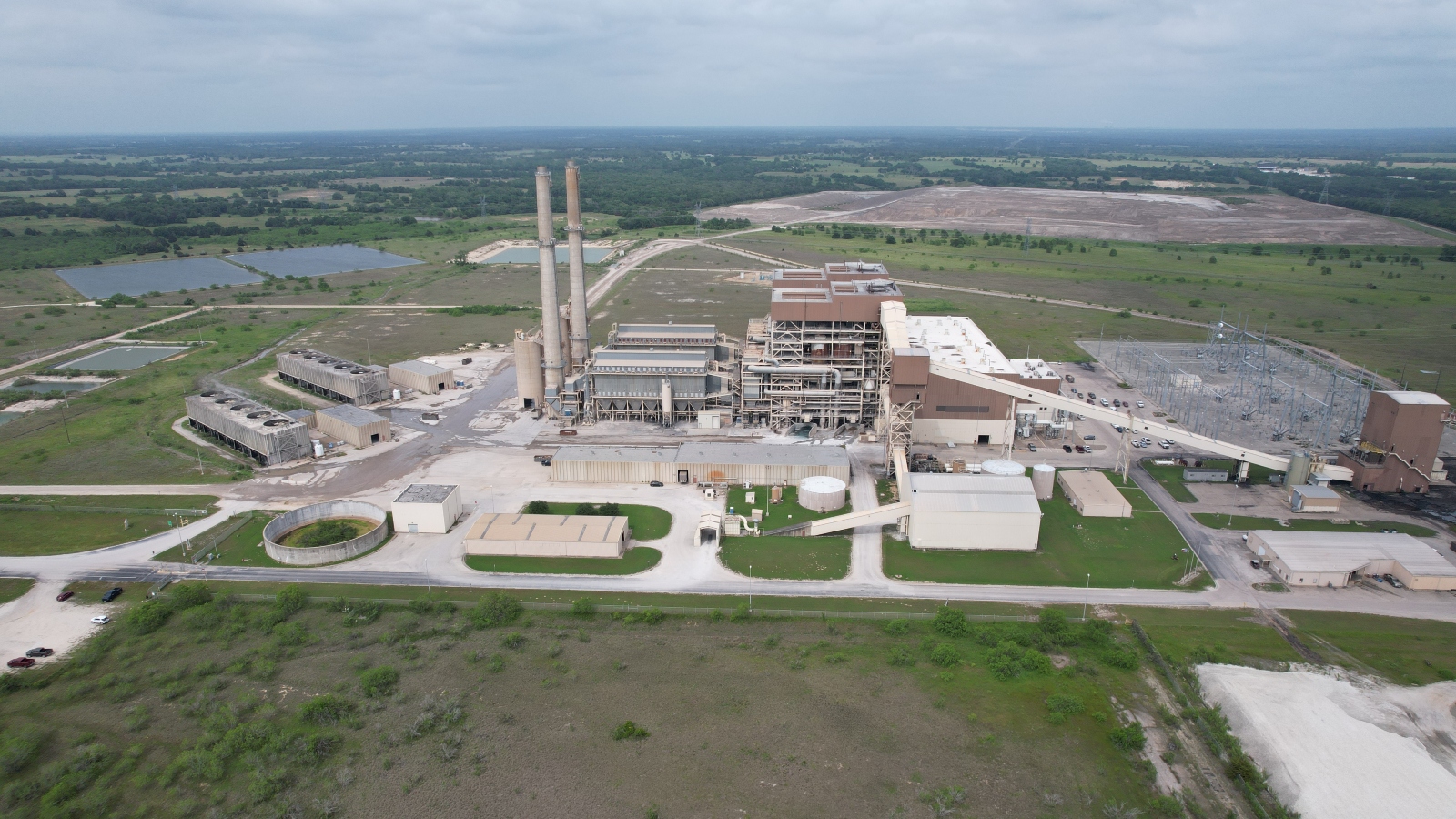
A massive solar farm is rising on old coal mining land in Bremond, Texas, and it might just be the biggest clean energy comeback story in North America. Construction crews recently broke ground on the Big Rooter Power solar project, a $1.7 billion installation that will sprawl across 10,000 acres about halfway between Dallas and Houston. When complete, the 1.2-gigawatt facility will generate enough electricity to power hundreds of thousands of homes, making it the largest solar array ever built on a repurposed industrial site, or "brownfield," on the continent.
What makes Big Rooter unusual is that it is not replacing the coal operations next door. The Twin Oaks coal-fired power plant and the adjacent Calvert surface coal mine will keep running. The project is simply carving out new space on the same land to add solar panels and battery storage, something developers call a rare hybrid approach.
"We believe deploying new capacity at existing energy sites is the clearest way to benefit communities, ratepayers, and the environment alike," said Apolka Totth, CEO of Panamint Capital, the Nevada investment firm behind the project.
The timing could not be better. Texas is now on track to produce more electricity from solar this year than from coal, a milestone that would have seemed impossible a decade ago. The state is hungry for power as data centers, new factories, and everyone's air conditioners keep demand sky-high during longer, hotter summers.
Work has already started on the first portion of the farm, a 491-megawatt section slated to come online by August 2028. The second chunk, another 658 megawatts, will begin construction in December and could start generating power a year later. The full site will also include 1.6 gigawatt-hours of battery storage, which can hold extra electricity for when the sun is not shining, plus 20 miles of new high-capacity transmission lines to move that power into the grid.
Panamint Capital, backed by the private equity firm KKR, acquired the Twin Oaks plant and Calvert mine in 2023 with plans to expand clean energy there. The company is not stopping at solar either. Officials say the site has infrastructure and access to natural gas that could support at least 800 additional megawatts of gas-fired generation, potentially serving data center developers or other large customers.
Big Rooter fits into a small but growing movement to put old mining land back to work generating clean power. Other solar farms have been built on retired coal mines in Illinois, Kentucky, and Louisiana. But those projects converted abandoned sites. Big Rooter is operating alongside still-active coal operations, a model that could inspire similar developments elsewhere.
With billions of dollars pouring into America's energy transition, the project signals how quickly the math is shifting. For communities in Texas and beyond, it is a reminder that even the places built around digging up fossil fuels can become part of the clean energy future.