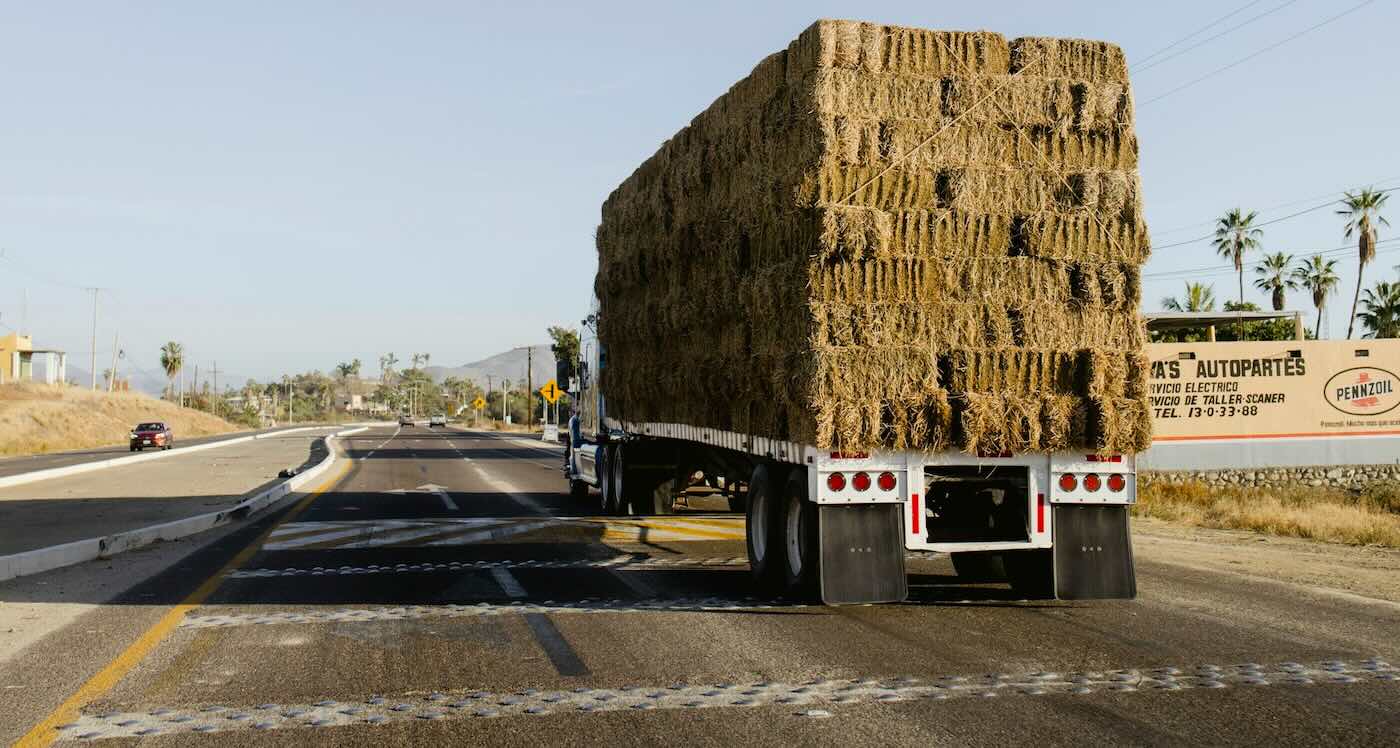
Mike and Kayla Wintz stood on their 11,000-acre ranch in Nebraska and looked out at a landscape stripped bare—every foot of grass burned away by the largest wildfire in the state's history. A thousand square miles of rangeland had gone up in smoke, threatening the livelihoods of ranchers across the state who depend on grazing land to feed their cattle. For families like the Wintzes, the crisis was immediate and existential: without grass, there could be no cattle. Without cattle, there could be no ranch.
What happened next offers a reminder that community runs deeper than geography. When Nebraska's ranching families faced potential ruin, thousands of strangers across America saw their struggle and chose to help.
The Wintz ranch received $80,000 worth of hay from anonymous donors scattered across the country—farmers and ranchers and truck drivers, some as far away as South Carolina, who contributed to relief efforts they would never directly witness. But the generosity extended far beyond one family's crisis. The Nebraska Cattlemen Disaster Relief Fund raised over a million dollars and distributed it directly to affected cattle owners across the burned region. Recognizing the crushing burden of transporting hay across vast Midwestern distances, the South Dakota Cattlemen's Foundation matched thousands of additional dollars in public donations to cover fuel costs for the relief convoys.
What's striking about this response is that it emerged organically, without formal appeals or media campaigns driving the initial impulse. "No one asked for this help," as CBS Evening News correspondent Steve Hartman reported. "It just came." The donations flowed from networks of mutual understanding—ranchers and farmers who know what it means to face nature's cruelest indifference, who recognize that today's disaster could strike their own land tomorrow, and who see in their neighbors' suffering a reflection of their own vulnerability.
The scale of the wildfire was historic. A thousand square miles represents an area larger than many counties, erasing the primary food source for thousands of cattle in an instant. The immediate aftermath left ranchers not only without pasture but facing astronomical costs to source feed from distant suppliers and transport it across multiple states. The financial math could have been ruinous: emergency hay procurement at inflated disaster prices, combined with fuel costs that could bankrupt operations already operating on thin margins.
Instead, ranchers found themselves held up by a web of generosity that transcended state lines and economic self-interest. Truckers donated their time and fuel. Farmers contributed hay from their own limited supplies. Foundations matched donations. Thousands of individuals, many of whom would never be thanked by name, simply decided that fellow ranchers in crisis deserved help.
The relief effort speaks to something that often goes unrecorded in times of crisis—the spontaneous, uncoordinated kindness that bubbles up when one community's pain becomes visible to others. The Wintzes and their neighbors faced a scenario that could have hollowed out an entire region. Instead, they discovered that the American agricultural community, bound by shared values and shared struggles, still knows how to stand together.