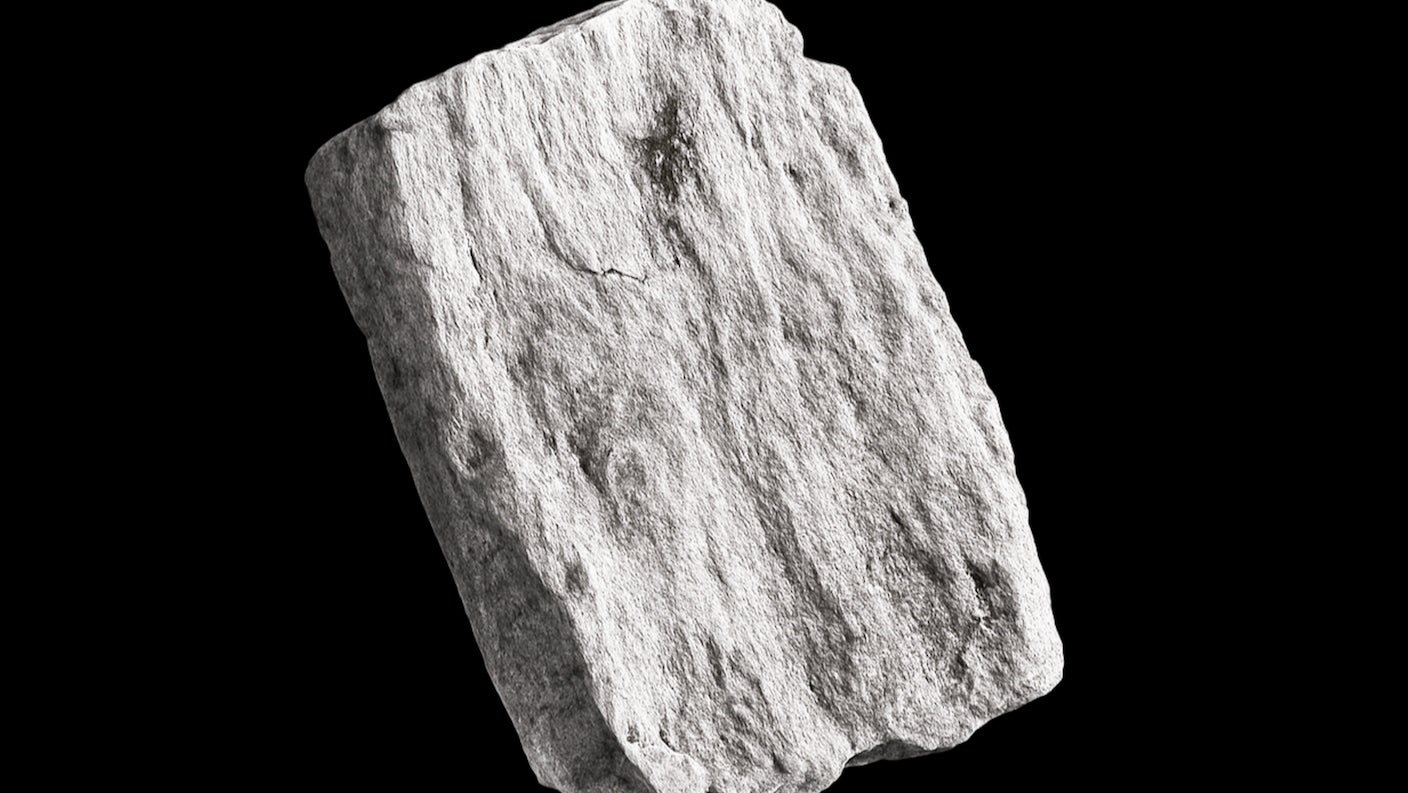
While renovating his bathroom, MIT researcher Yet-Ming Chiang noticed something unexpected: glass etching cream could dissolve silica just as easily as it dissolves glass. That casual observation has now blossomed into a potential solution to one of the world's most pressing resource bottlenecks—and it could reshape the global lithium supply chain.
Lithium is everywhere in modern life, powering the batteries in smartphones, electric vehicles, and artificial intelligence systems. As the world races toward renewable energy, demand for this silvery metal is surging. But here's the paradox: the current methods of extracting lithium actually undermine the sustainability they're meant to enable. Traditional hard-rock mining requires crushing and heating ore to temperatures as high as 1,100 degrees Celsius, then dousing it in toxic chemicals. The result is staggering—the process releases roughly 20 tons of carbon dioxide for every ton of lithium produced. Brine-based extraction, meanwhile, is geographically limited to just a handful of countries and relies on enormous evaporation pools that consume vast quantities of water and energy.
Chiang's team at MIT has now developed a radically simpler process. Instead of hydrofluoric acid—a highly toxic chemical traditionally used to dissolve lithium-rich ore—they use ammonium fluoride, the mild acid found in glass etching cream sold at hardware stores. By mixing ammonium fluoride with water and stirring the ore in a plastic tank, the team can completely dissolve spodumene, a lithium-rich mineral, at temperatures below 100 degrees Celsius. The process yields lithium salts with 99 percent purity, and extraction now takes under 12 hours—a dramatic improvement from earlier experiments that required several days.
What makes this breakthrough particularly elegant is its efficiency. The team designed the process so that nearly all liquid chemicals are recyclable and can be reused across multiple extraction rounds. "We refer to this as nose-to-tail mining," Chiang explained, borrowing culinary language to describe how the method wastes nothing.
But the real innovation extends beyond lithium alone. Spodumene ore is packed with other valuable materials: alumina, which can be smelted into aluminum, and silica, which can be directly used as a sustainable ingredient in greener cement. The MIT process separates all three materials, allowing miners to extract genuine value from what would otherwise be waste rock. The team has already strength-tested cubes of fabricated cement made from their extracted silica, confirming the products meet specifications for target markets.
The implications are substantial. While lithium-bearing rocks cover vast regions of the United States, Europe, and Africa, extracting from them has historically been too difficult and costly to compete with brine-based mining in a handful of countries. This new low-temperature, low-chemical process could change that calculus entirely, diversifying global supply chains and reducing the carbon footprint of the energy transition itself. As Gang San Lee and Karthish Manthiram from the California Institute of Technology noted in their analysis, the breakthrough "could establish a low-carbon alternative to hard rock refining, addressing both the surging demand for lithium and the carbon footprint that undermines the sustainability of the energy transition."
The world has long been waiting for a way to unlock lithium from hard rock without sacrificing the planet in the process. Chiang's epiphany in the bathroom may just have provided it.