In Wallonia, southern Belgium, wolves are back. After centuries of absence, the predators have returned to roam the forests and river valleys of Entre-Sambre-et-Meuse National Park, one of three protected areas that recently joined the European Rewilding Network, a growing community of over 100 rewilding initiatives across the continent.
Rewilding means restoring ecosystems so nature can take care of itself again. That means bringing back missing species, letting rivers flow more naturally, and allowing forests and grasslands to grow without heavy human control. The three new members are Lonjsko Polje Nature Park in Croatia, Lake Skadar National Park in Montenegro, and Entre-Sambre-et-Meuse National Park in Belgium. For these parks, joining the network means access to expert knowledge, training, and a community of practitioners working toward the same goal.
Entre-Sambre-et-Meuse National Park covers 22,000 hectares in Wallonia and was one of the first two national parks established in this region when it was designated in 2023. The park spans wetlands, calcareous grasslands, forests, and river valleys, and is already home to wolves, beavers, black storks, white-tailed eagles, Eurasian eagle owls, wildcats, and red deer. Since its designation, the park has expanded strictly protected forest areas, restored river and floodplain dynamics, and worked to improve how people and wildlife coexist.
Park director Johanna Breyne says joining the network is a chance to learn from others and strengthen their efforts. "We are ambitious about restoring natural processes and creating a landscape where people and nature thrive together," she said. "Being part of this community will allow us to learn from others, share our own experiences, and strengthen our efforts to create a wilder future for the region."
Lake Skadar National Park in Montenegro was founded in 1983 and covers around 40,000 hectares. It protects the largest lake in the Balkans and one of the region's most important wetlands, with roughly 80 percent of the park made up of freshwater habitats. The lake is home to Dalmatian pelicans, otters, and golden jackals, and forms part of a landscape shared with neighboring Albania. The park is the first member from Montenegro, bringing the number of countries represented in the network to 32.
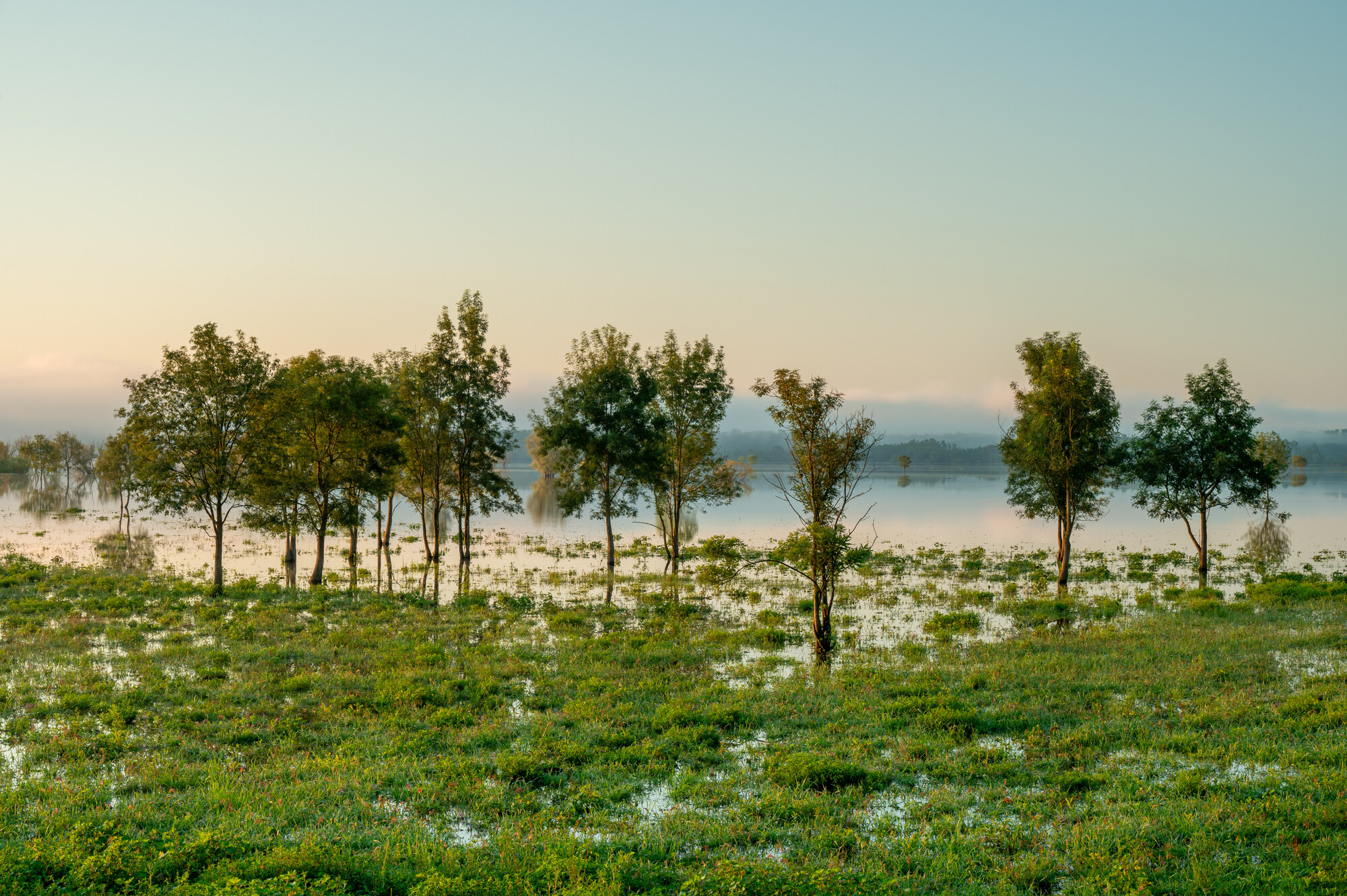
In Croatia, Lonjsko Polje Nature Park stretches across more than 50,000 hectares along the Sava River, one of Europe's mightiest waterways. The park is recognized as one of the continent's best-preserved natural floodplains, supporting white-tailed eagles, black storks, spoonbills, beavers, otters, red deer, and roe deer. Its rewilding vision focuses on restoring the great floodplain landscape that once covered much of this part of Europe.
Together, these three parks represent a significant step forward for nature recovery across the continent, connecting local ambitions to a shared vision of a wilder Europe.