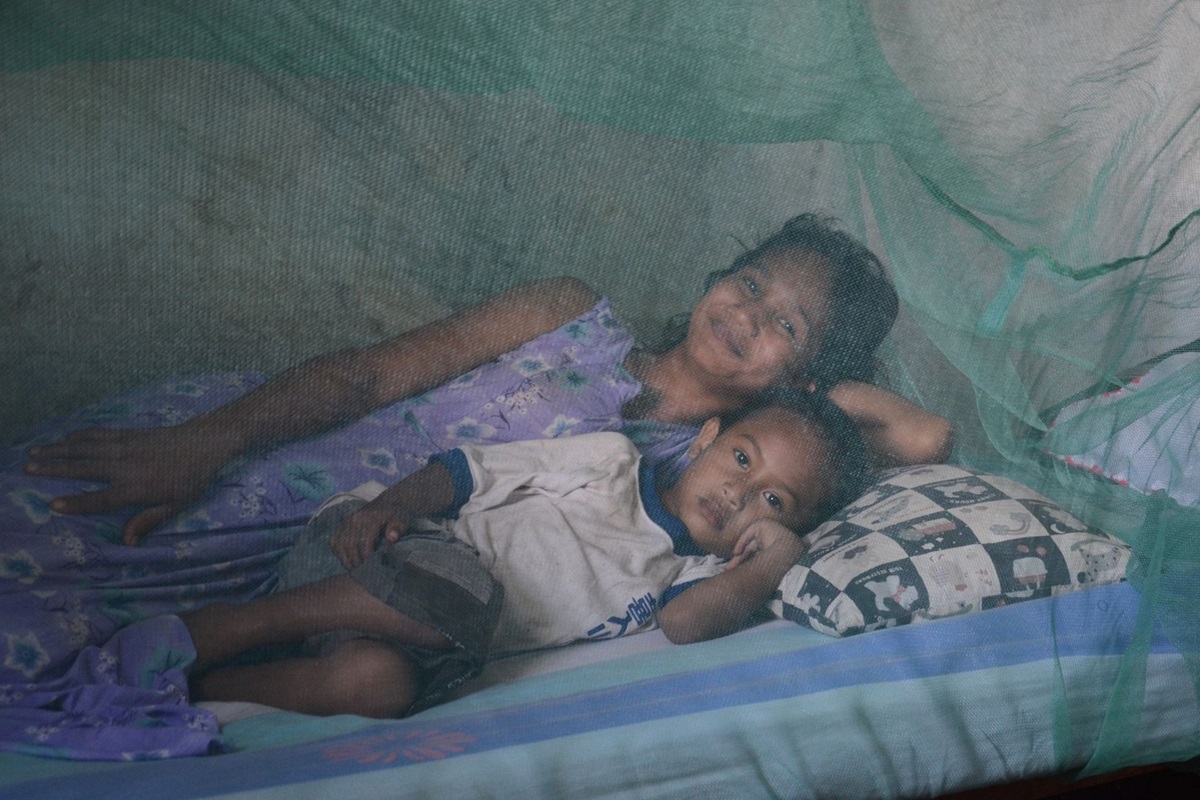
In 2006, more than 223,000 people in Timor-Leste fell sick with malaria — a preventable and deadly disease spread by mosquitoes. By 2021, that number had dropped to zero. This month, the World Health Organization (WHO) officially certified the small Southeast Asian nation as malaria-free, a milestone that honors lives lost and celebrates a victory years in the making.
Timor-Leste is one of the world's youngest nations, gaining independence from Indonesia in 2002. Just one year later, in 2003, the country's Ministry of Health created the National Malaria Programme with only two full-time staff members. Despite limited resources, the programme laid the groundwork for what would become a nationwide transformation.
Dr. Élia António de Araújo dos Reis Amaral, the country's Minister of Health, called the achievement a triumph of persistence. "We lost too many lives to a disease that should be preventable," she said. "But our health workers never gave up, our communities held strong, and our partners, like WHO, walked beside us."
The country introduced rapid diagnostic tests and combination drug therapy early on, making it easier to identify and treat cases quickly. Starting in 2009, with support from the Global Fund to Fight AIDS, Tuberculosis and Malaria, Timor-Leste ramped up its efforts by distributing free insecticide-treated nets and spraying homes to kill mosquitoes. The government also built a three-tier health system with hospitals and community clinics, ensuring most residents could reach care within an hour's walk. Best of all, citizens receive free health services at the point of care.
Timor-Leste is now the third country in the WHO South-East Asia region to achieve malaria-free status, following Maldives in 2015 and Sri Lanka in 2016. A total of 47 countries and one territory have now been certified malaria-free worldwide.
WHO Director-General Dr. Tedros Adhanom Ghebreyesus praised the country's commitment. "Timor-Leste's success proves that malaria can be stopped in its tracks when strong political will, smart interventions, sustained domestic and external investment and dedicated health workers unite," he said.
Dr. Arvind Mathur, WHO Representative to Timor-Leste, described the achievement as a story of grit alongside science. "Ending transmission and maintaining zero deaths takes more than science; it takes grit," he said. "This victory protects generations, present and future, and shows what a determined country can achieve."
Yet health officials warn that staying malaria-free requires ongoing effort. The country's real-time surveillance system helps catch any new cases quickly, including at borders where travelers could bring the disease back in. Minister Amaral called for continued vigilance and community action to protect the hard-won victory.
For a nation that once saw hundreds of thousands of cases each year, zero represents more than a number — it represents children who can go to school without fear, workers who can stay healthy, and families who no longer have to bury loved ones to a disease that should be preventable.