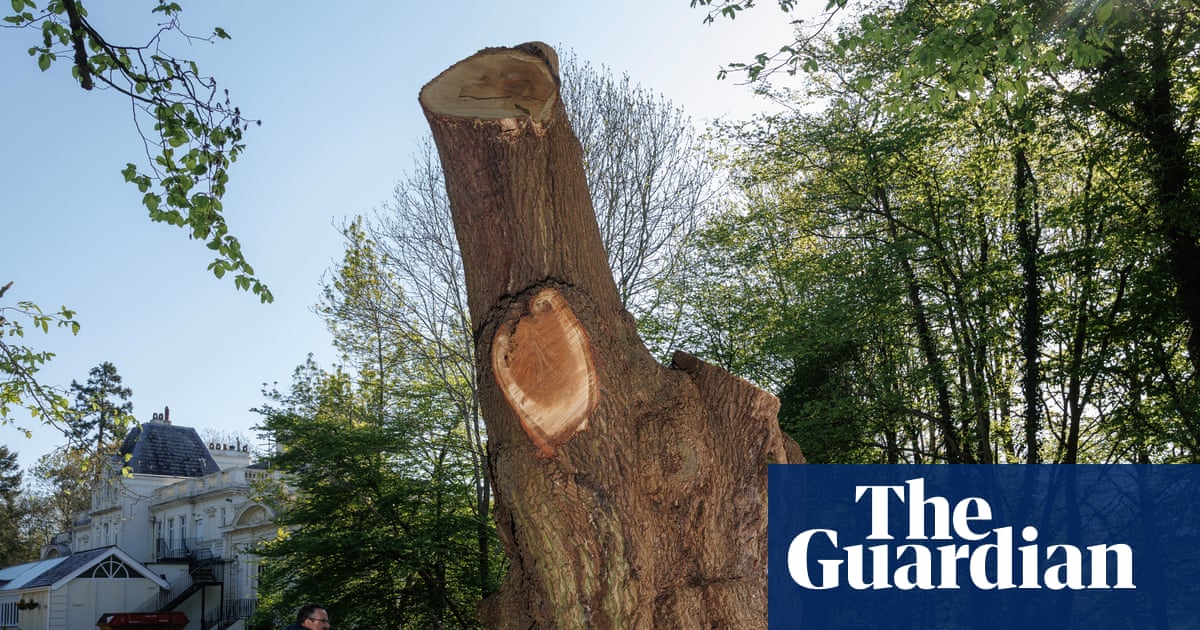
In April 2023, contractors wielding chainsaws descended on a 500-year-old oak tree in Whitewebbs Park, Enfield, north London, and tore into its trunk without permission. The ancient tree, which had likely been standing since before Shakespeare was born, never fully recovered. That act of destruction sparked something unexpected: a wave of public fury so intense it reached Parliament, and eventually forced a major restaurant chain to the negotiating table.
The felling of the oak next to a Toby Carvery car park exposed a troubling gap between what a private company thought it could do and what a community would accept. Mitchells & Butler Retail (M&B), which operates the restaurant chain, had instructed Ground Control, a maintenance firm based in Billericay, Essex, to fell the tree partially, claiming it posed a safety risk because it was dying. Tree experts disputed this reasoning, but the damage was already done—and the anger was just beginning.
Enfield council, which owns the land, moved swiftly. Earlier this year, it began eviction proceedings against M&B, describing the felling as "a reckless act which caused huge damage to the tree and cut its expected lifespan." The council's stance was unmistakable: this was not business as usual. Residents mobilized, campaign groups formed, and the matter attracted enough attention to trigger questions in Parliament itself—a sign that something had struck a nerve far beyond the confines of one park in north London.
This week, after months of dispute, M&B announced a settlement. The company agreed to pay undisclosed financial damages to cover restoration of an orchard in Enfield's Ridgeway corridor as part of the council's Enfield Chase landscape restoration scheme. Crucially, the deal includes funding to plant 1,000 new trees near the orchard, which will be publicly accessible and help restore both biodiversity and the landscape character of the area. M&B also committed to paying for treatment of the oak's remains—a modest final act of care for a tree it had damaged beyond recovery.
In a joint statement, M&B offered its "sincere apologies for the upset this has caused," though the settlement statement also reflected a softer framing, noting that the company had "acted on the recommendation of reputable, professional advisers." The council's acceptance of this language suggested both parties were eager to move past the affair. Russell Miller, an ancient tree expert and member of the Guardian of Whitewebbs campaign group, expressed disappointment, calling the settlement "very disappointing" and noting the "implausible story about tree risk being a motivation for the felling, given all the irregularities that were involved."
The felling of the oak also drew attention to broader tensions in the park. Tottenham Hotspur football club, which has financial links to M&B through its owner Enic, has plans to build a women's football training academy on adjacent land. The club has denied any connection between the oak felling and its development plans, but the coincidence fed lingering skepticism about the true reasons behind the tree's destruction. A judicial review of Enfield's approval for the training complex is scheduled to be heard later this month.
In the end, the 500-year-old oak is gone, but something grew from its loss: a commitment to plant a thousand trees and restore a community orchard. Whether that exchange feels like justice or a mere footnote may depend on where you stood when the chainsaws first roared to life.