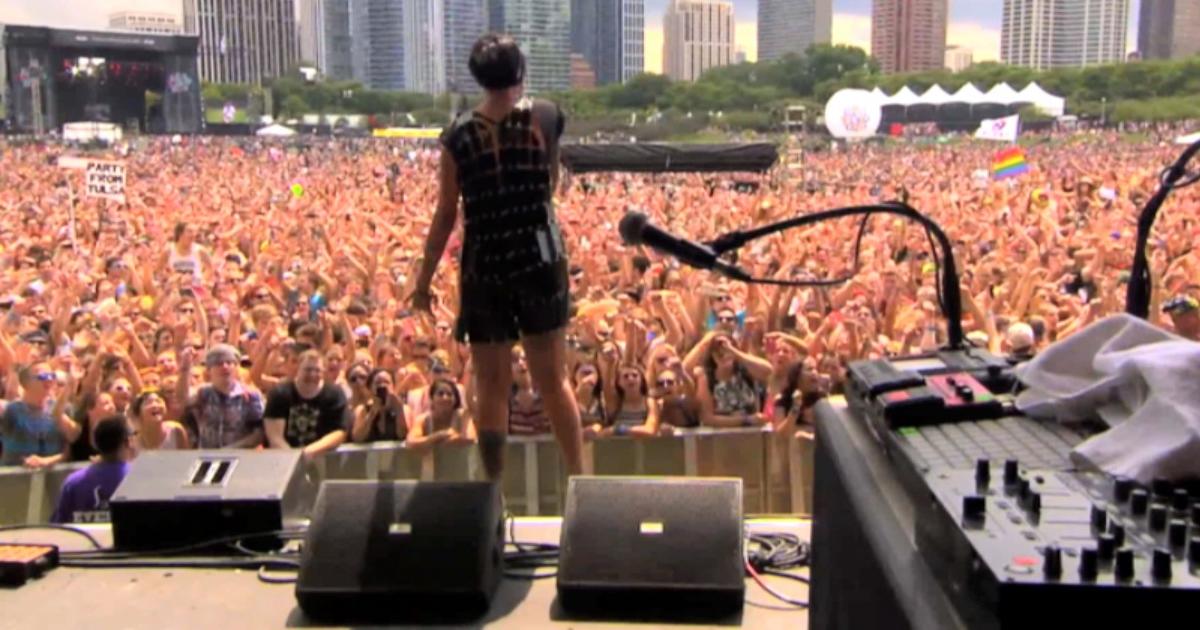
Music has an almost magical ability to bring people together—to move them emotionally, give them permission to be themselves, and forge connections with strangers who share the same passion for a song, an artist, a moment. Across the globe, massive outdoor festivals have transformed this simple truth into cultural institutions, drawing millions who gather under the same sky to celebrate what unites them through sound.
WatchMojo's ranking of the world's most iconic music festivals tells a story about how these gatherings have shaped modern culture. The list spans continents and decades, honoring events chosen for their iconic status, pop culture recognition, and historical significance. From one-time legendary concerts to ongoing annual traditions, these festivals represent the highest expression of music's power to unite communities.
Woodstock Music & Art Fair tops the list, a legendary moment frozen in 1969 that still defines how we think about music festivals. But the staying power of these gatherings matters too. Pinkpop Festival, held in the Netherlands and founded in 1970, holds the distinction of being one of the world's longest-running annual pop music events. Over four decades, it has welcomed more than 1.5 million attendees and hosted 500 performers, demonstrating how a single festival can become woven into the cultural fabric of a nation. What began with overcrowding challenges was solved through expansion into a three-day affair, showing how festivals evolve to better serve their communities.
The Montreux Jazz Festival, starting in the late 1960s as a strictly jazz-focused event held in Switzerland near Lake Geneva, exemplifies how traditions can expand while maintaining their soul. Once dedicated solely to showcasing jazz musicians, it has become the world's second-largest annual jazz festival and now welcomes countless musical styles into its diverse lineup. The festival has been the source of dozens of recordings that have shaped music history.
Other standouts on the list reveal the geographic and musical breadth of festival culture. Glastonbury Festival of Contemporary Performing Arts, Bonnaroo Music and Arts Festival, Coachella Valley Music and Arts Festival, and Lollapalooza represent different corners of the globe—from the UK to the American South to the California desert—yet share the same fundamental purpose: creating spaces where strangers become community, where emotions flow freely, and where music becomes more than entertainment. It becomes shared memory.
Reading and Leeds Festival, Summerfest, and Roskilde Festival round out the top ten, each with their own loyal followings and decades of history. These aren't just concerts or events; they're pilgrimages. People plan their summers around them, save money for tickets, reconnect with old friends at the gates, and leave changed by what they've witnessed together.
What makes these festivals endure isn't just the headline acts or the perfect weather or the Instagram moments—though those all matter. It's that they tap into something fundamental in human nature: the need to gather, to feel part of something larger than ourselves, and to experience beauty collectively. In a world that often feels fragmented, these festivals stand as monuments to what's possible when millions of people show up for the same reason: to celebrate music and each other.