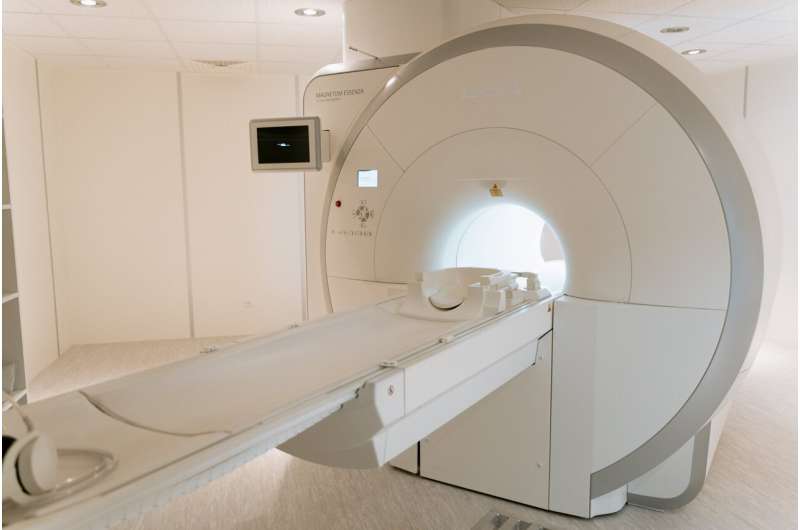
For decades, doctors gave people with small-cell lung cancer a course of preventive radiation to the brain after their main treatment — a move that helped, but came at a real cost to memory and thinking. Now a landmark international trial suggests a far gentler approach works just as well, and protects the mind better: simply watching with regular MRI brain scans and treating problems only if they appear.
The results come from the SWOG S1827 MAVERICK trial, presented at the International Association for the Study of Lung Cancer's 2026 World Conference on Lung Cancer in Colorado. Small-cell lung cancer, or SCLC, is an aggressive form of the disease that can spread to the brain. For years, doctors used a technique called prophylactic cranial irradiation (PCI) — radiation aimed at the brain to try to prevent tumors from forming there. PCI helped, but it could also take a toll on patients' cognitive abilities.
The MAVERICK trial asked a bold question: if we can now spot brain tumors early with modern MRI scans, do patients still need that preventive radiation? To find out, researchers enrolled 304 patients with limited-stage or extensive-stage SCLC between January 2020 and December 2025. All had finished their initial therapy and showed no brain metastases on MRI. Half were assigned to MRI surveillance alone; the other half got MRI surveillance plus PCI.
In both groups, brain scans happened every three months during the first year and every six months in the second, paired with regular cognitive testing using tools like the Hopkins Verbal Learning Test-Revised and the Trail Making Test.
The results were striking. After a median follow-up of 22 months, the patients who got MRI alone had significantly better "cognitive failure-free survival" — meaning they were less likely to experience mental decline or death. In fact, MRI surveillance alone cut the risk of cognitive failure or death by 40% compared with the radiation group. The benefit held for patients with both limited-stage and extensive-stage disease, and whether or not they'd received immunotherapy.
The gentler approach was also far safer. Serious side effects were rare in both groups, but the difference was dramatic: just 0.8% of patients on MRI alone experienced grade 3–5 adverse events, versus 7.9% of those who received radiation. One severe brain inflammation event occurred in the radiation group, and none in the MRI-only group.
Encouragingly, an early look at overall survival showed no meaningful difference between the two strategies — meaning patients weren't giving up survival by skipping the radiation. Final survival results are expected after more follow-up.
Study presenter Chad Rusthoven, M.D., of the University of Colorado School of Medicine, put it plainly: these findings support MRI surveillance alone as the new standard of care for small-cell lung cancer patients. For people facing this tough disease, it's hopeful news — a treatment that was once deemed necessary is being replaced by one that's kinder to the mind, with no sacrifice in survival.