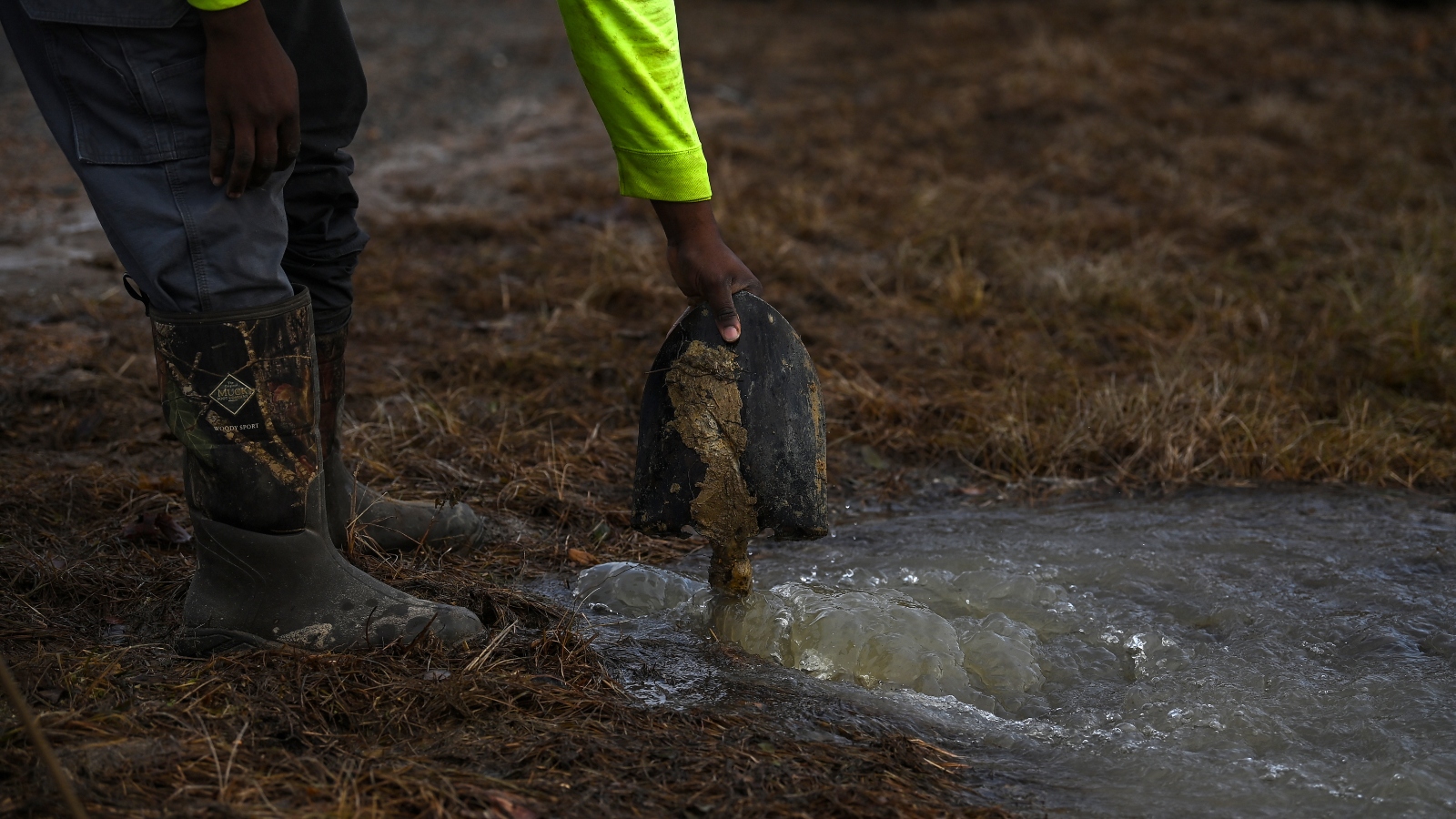
For years, when water came out of the faucets in Black households in Jackson, Mississippi, at all, it was often brown — leaving babies and elders with rashes and stirring a wave of health problems across the city. Then, in 2023, a $20 million federal grant promised a life-saving chance for Jackson's poorest residents: a resilience hub where the lights would stay on, clean drinking water would flow, and up to 150 people at a time could find shelter and showers during disasters.
But by February 2025, before a single dollar had been distributed, the money was frozen. President Donald Trump's administration terminated programs meant to ease environmental harm in Black, low-income, and disadvantaged communities — a move that silenced hope for leaders like Dominika Parry, who founded the Ridgeland-based nonprofit 2C Mississippi and never stopped fighting for her city.
Now, federal courts have stepped in and pushed back. Last month, a South Carolina federal judge ordered the Environmental Protection Agency to resume distributing funds for projects in underserved communities. Just before that, the Washington, D.C. Circuit Court blocked the EPA from canceling nearly $20 billion in separate clean-energy awards. Together, the rulings mean over $22 billion meant for climate and environmental work in disadvantaged neighborhoods may soon flow again.
The two programs trace back to the Inflation Reduction Act, former President Joe Biden's cornerstone economic law. The Greenhouse Gas Reduction Fund was designed as a $27 billion national clean-energy financing program to make home-energy upgrades, solar panels, and electric vehicles affordable for communities that had long been shut out of green finance. The Environmental and Climate Justice Block Grant Program targets places like Jackson still reeling from crisis.
Matt Sedlar, a climate analyst at the Center for Economic and Policy Research, said the court outcomes are "sending a message to the administration that the separation of powers exists and that it must follow the law."
The stakes are staggeringly high. The Associated Press estimates that the EPA programs and rules the administration cut were projected to prevent roughly 30,000 deaths per year, especially in Black and disadvantaged communities. Already, some approved projects have vanished — including a Houston solar installation program for formerly incarcerated people. Leon Dillard, who took part before it was cut, said the work gave him a "sense of purpose": "You have to make a choice to take a chance, or your life will never change. But you need other people with you on that journey."
The Trump administration has appealed, arguing the EPA now lacks the money and staff to carry out the programs — it has fired 25 percent of its workers since 2024, leaving the agency at its lowest staffing level ever. But for Jackson and communities like it, the court rulings offer a rare, hard-won foothold of hope.