A federal judge in South Carolina has halted one of the Trump administration's efforts to dismantle Biden-era environmental protections, ruling that the termination of a $2.8 billion grant program designed to help polluted communities was unlawful. U.S. District Judge Richard Gergel found that the Environmental Protection Agency's decision to eliminate the Environmental and Climate Justice Block Grant Program violated the law and voided the action, delivering a significant victory to environmental justice advocates fighting to preserve funding for underserved neighborhoods across the country.
The stakes of this ruling extend far beyond courtroom procedure. The grant program, established under the Inflation Reduction Act, was designed to address longstanding inequities by funding community-led projects in neighborhoods that have borne disproportionate burdens of pollution and climate risk. These grants supported initiatives like reducing utility costs, improving air quality, strengthening infrastructure, and preparing communities for extreme heat—the kinds of practical, local solutions that take years of planning and community organizing to develop.
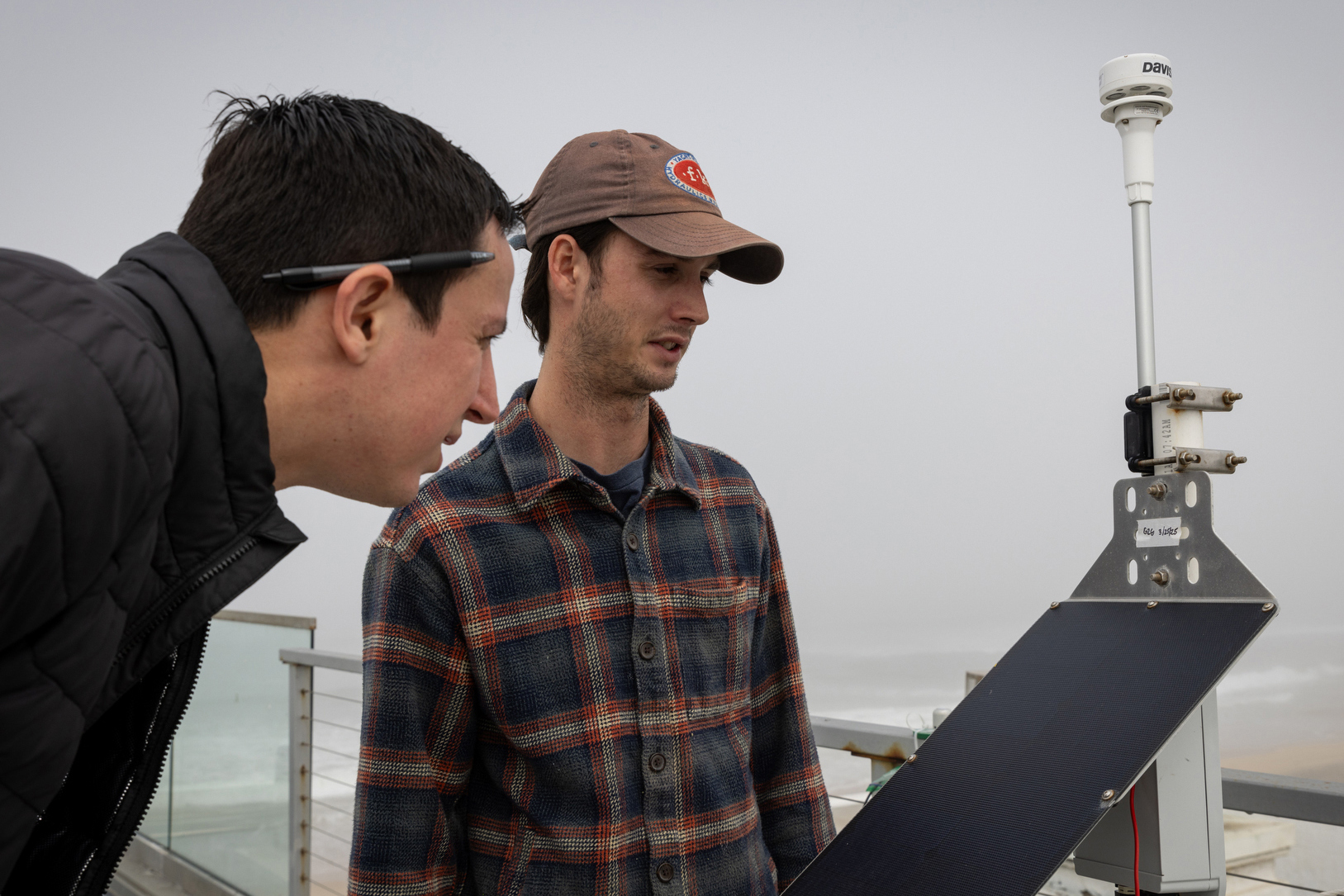
The cancellation of the program dealt a serious blow to hundreds of communities that had already begun receiving funding. CleanAIRE NC, a nonprofit focused on improving health outcomes in North Carolina, had received $500,000 to install air sensors across four communities in Mecklenburg County, including Charlotte. According to the organization's communications director, Andrew Whelan, those neighborhoods experience significantly higher pollution exposure than wealthier areas nearby, positioned closer to major highways, industrial facilities, and coal plants. The air quality data collected by the sensors would have helped residents understand and advocate for cleaner air in their own communities—basic transparency that, as Whelan noted, some families have waited "decades" to receive.
The judge's decision, however, came with a crucial limitation. Gergel stopped short of issuing a permanent injunction to force the EPA to resume the program, acknowledging that doing so would require the federal government to rehire staff already dismissed by the Trump administration—a step he deemed impractical. He also declined to extend the September deadline for awarding remaining grant funds, leaving the program's future uncertain even as the court validated the illegality of its termination.
The EPA terminated the program in February following what an agency official described as a "policy review," according to court documents. The decision followed a series of Trump administration executive orders, including one that paused the disbursement of funds from the Inflation Reduction Act and another directing agencies to eliminate "environmental justice" offices and positions to the greatest extent allowed by law. In response, the EPA stated it is "reviewing the decision," offering no indication of how it plans to proceed.
The Southern Environmental Law Center and the Public Rights Project, which filed the lawsuit, are now determining their next steps. Kym Meyer, the center's litigation director, expressed eagerness to engage with the EPA about how the agency plans to move forward. Zealan Hoover, a former EPA senior advisor who oversaw implementation of the grant program, called the cancellation "tragic," noting that the terminated grants represented years of community work to address longstanding sources of local pollution and climate risk.
For communities like those in Mecklenburg County, the ruling offers a glimmer of hope—validation that their fight for environmental protection and clean air is grounded in law. Yet uncertainty remains about whether that validation will translate into restored funding and resumed work.