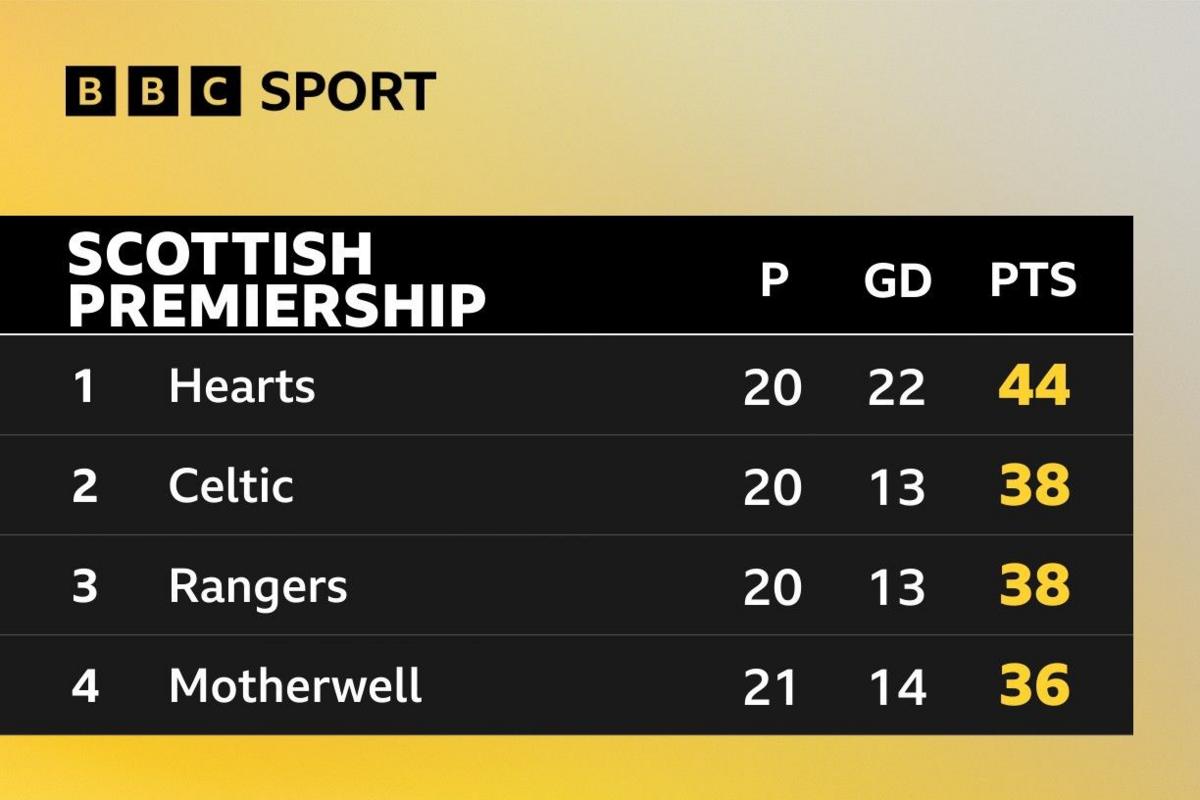
On a bleak Sunday at Tannadice in March, Celtic's season hung by a thread. A 2-0 defeat to Dundee United left them five points adrift of Hearts and two behind Rangers, and the Scottish Premiership title seemed to be slipping away. But in the tunnel afterward, Martin O'Neill—a 73-year-old manager who had walked into a club tearing itself apart—made an audacious declaration: Celtic would need to win every remaining match. Seven wins out of seven. It sounded like the demand of a man grasping at straws. Instead, it became the roadmap to a championship nobody saw coming.
O'Neill's return to Celtic Park after a 20-year absence had arrived in the wreckage of consecutive managerial implosions. The season had begun with Brendan Rodgers steering the ship, but a Champions League elimination at the hands of unfancied Kairat Almaty—two games, zero goals—and a summer transfer window that enraged supporters had set the club ablaze. Rodgers, fuming about signings he felt weren't made in his image, infamously likened his squad to a Honda Civic rather than the Ferrari he wanted. By October, after losses to Dundee and Hearts, he was gone. Wilfried Nancy followed briefly, leaving behind a club even more fractured than when he arrived. Then came O'Neill, tasked with navigating a toxic environment that had poisoned relationships between the manager's office, the boardroom, and the stands.
From that March nadir, Celtic embarked on a run that defied the chaos surrounding them. O'Neill asked for seven wins; they delivered exactly that, claiming 21 points from 21 available and ultimately securing the 2024 Scottish Premiership title with 82 points. Hearts, which had done little wrong all season, were hunted down and overtaken. It was a triumph built not on brilliant football but on the kind of stubborn resilience the club had lacked in recent weeks— 18 tense, grinding points earned while in chasing mode, followed by the decisive three at the finish line.
The numbers tell a complicated story. Celtic won with 10 fewer points than the previous season, 11 fewer than the year before that, and 17 fewer than four seasons prior. They scored just 73 league goals, their lowest tally in 19 years—a consequence of their ongoing search for a striker to replace Kyogo Furuhashi, who departed over a year ago. The arrival of Japanese forward Daizen Maeda proved enormously significant down the stretch. Defensively, Celtic conceded 41 goals, their worst defensive record in 33 years, partly due to injuries that limited Cameron Carter-Vickers and Alistair Johnston to just 13 combined league appearances.
Yet none of this diminishes what O'Neill accomplished. He inherited a fractured institution and steered it to glory despite the toxicity that had defined the season. For a man returning after two decades, it is fairytale stuff. When the season began, with Rodgers seemingly imperious and O'Neill's involvement unthinkable, the notion that a septuagenarian would not only return but guide a troubled club to the title seemed outlandish. Truth, in this case, proved stranger than fiction. Celtic's hostile autumn gave way to an uneasy truce as spring arrived, and ultimately to the championship celebration O'Neill promised in the ashes of March. The question now is what comes next—whether this triumph signals renewal, or whether the deep-rooted troubles that plagued the season remain waiting to resurface.