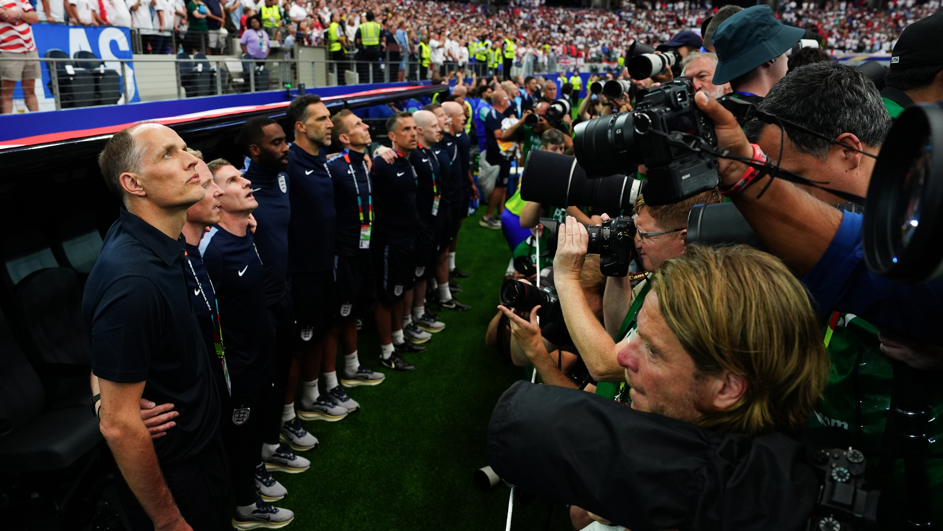
Thomas Tuchel stood at the edge of the pitch in Dallas, heart swelling as the national anthem began, only to find his view of his players blocked by a wall of cameras and strangers. "I could not see my team," the England head coach later said, his voice tinged with emotion after his side’s 4-2 win over Croatia. What followed was not just a moment of personal frustration, but the spark for a swift and meaningful change in World Cup protocol. Tuchel’s public appeal reached Fifa, and within days, photographers were relocated from the coaching area during national anthems—restoring a moment of unity and visibility for teams at the heart of the tournament’s most symbolic ritual.
At the AT&T Stadium, home of the Dallas Cowboys, space is at a premium. To fit a full-size football pitch onto the NFL field, the playing surface had to be raised by 1.2 meters, eating into the sidelines and squeezing both coaching staff and media into tight quarters. During the pre-match anthems, photographers traditionally lined the touchline directly in front of the benches—placing them squarely between coaches and their players. For Tuchel, a man known for his meticulous attention to detail and emotional connection to his squad, the obstruction wasn’t just inconvenient; it was jarring. "It was a very special moment, and I was standing in front of a wall of 50 photographers," he said. "I could not see one single player. It ruined a little bit my experience."
His words resonated. Fifa, often criticized for rigid bureaucracy, responded with uncharacteristic speed. By the next matchday, a new arrangement was in place: photographers were grouped together near the halfway line, well away from the benches, allowing coaches an unobstructed view of their teams during the anthem. The change was first implemented during the Group A clash between the Czech Republic and South Africa in Atlanta and has since been adopted across the tournament.
This may seem like a small adjustment, but for the human element of the game, it’s profound. The national anthem is more than ceremony—it’s a moment of collective identity, a breath before battle where players and staff stand as one. Ensuring coaches can see their players, share that moment, is about respect and inclusion. It’s about preserving the dignity of the occasion in the face of logistical constraints.
Tuchel’s intervention, born from a simple plea, has already left a legacy. What began as a personal frustration in Dallas has become a tournament-wide standard—proof that even in the vast machinery of global sport, individual voices can still shift the course of tradition.