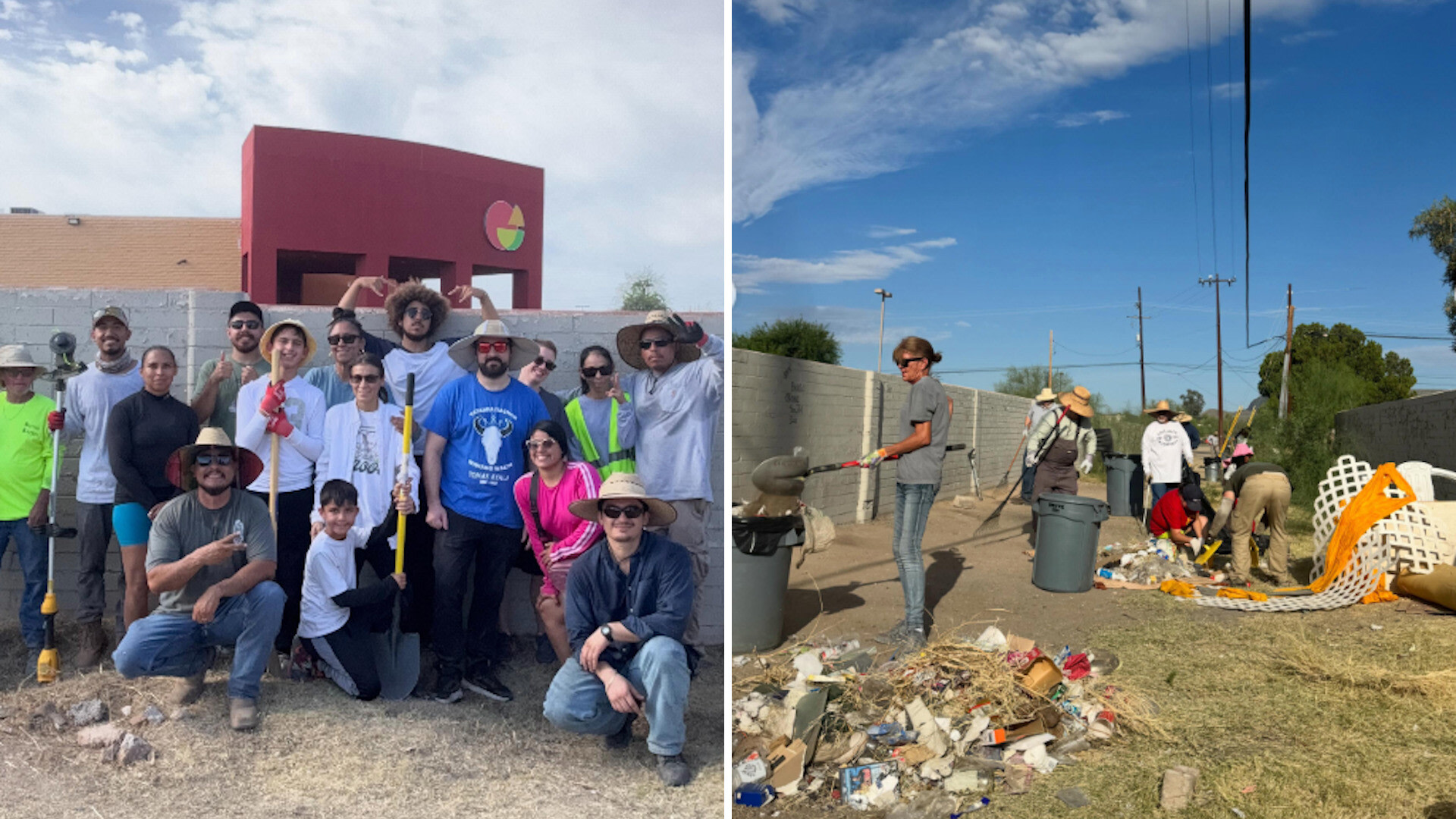
David Garcia wasn’t waiting for permission. On a Saturday morning near Pueblo High School in Tucson, Arizona, he and a growing circle of neighbors rolled up their sleeves and transformed an alley choked with debris into a clean, open passage in less than two hours. Armed with gloves, trash grabbers, and determination, volunteers hauled away more than 2,000 pounds of litter—plastic bags snagged in fences, broken furniture, fast food wrappers, and even discarded tires—proving that community action can move mountains, or at least mountains of trash.
This cleanup wasn’t just about aesthetics. Alleys like this one, tucked behind homes and businesses near Peter Piper Pizza, often become invisible dumping grounds. Over time, they become hazards—breeding grounds for pests, clogged storm drains, and sources of pollution that eventually flow into local waterways and beyond. But when neighbors take ownership, the impact ripples outward. Cleaner spaces mean safer streets, healthier ecosystems, and a message that this community sees itself as worth caring for. As Garcia wrote in his Instagram post, "Together in less than 2 hours, we picked up over 2000 pounds of trash and debris." That kind of effort doesn’t just clean an alley—it builds pride.
The photos tell the story: before, a narrow passage buried under years of neglect; after, sunlight hitting pavement, kids biking through unobstructed, neighbors smiling. The work drew people from across Tucson’s south side, young and old, united by a shared love for their neighborhood. One commenter celebrated the presence of youth in the photos: "great job teaching them to be proud of their community and see their impact!" That intergenerational engagement is where lasting change begins—not in top-down mandates, but in the quiet dignity of picking up trash because you believe a place deserves better.
The response online was immediate and heartfelt. "We need to figure out a way to raise & provide permanent funding for you brotha!" one supporter wrote, recognizing that one cleanup, no matter how successful, is just a start. Sustained investment—whether in city services or community-led initiatives—could turn these bursts of energy into lasting infrastructure. For now, the alley stands as a symbol: proof that when people act, change doesn’t have to be slow. It can happen in under two hours.
And as the sun set over Tucson that day, the alley near Pueblo High School wasn’t just cleaner—it was a reminder that care is contagious, and pride, once sparked, can spread faster than litter ever did.