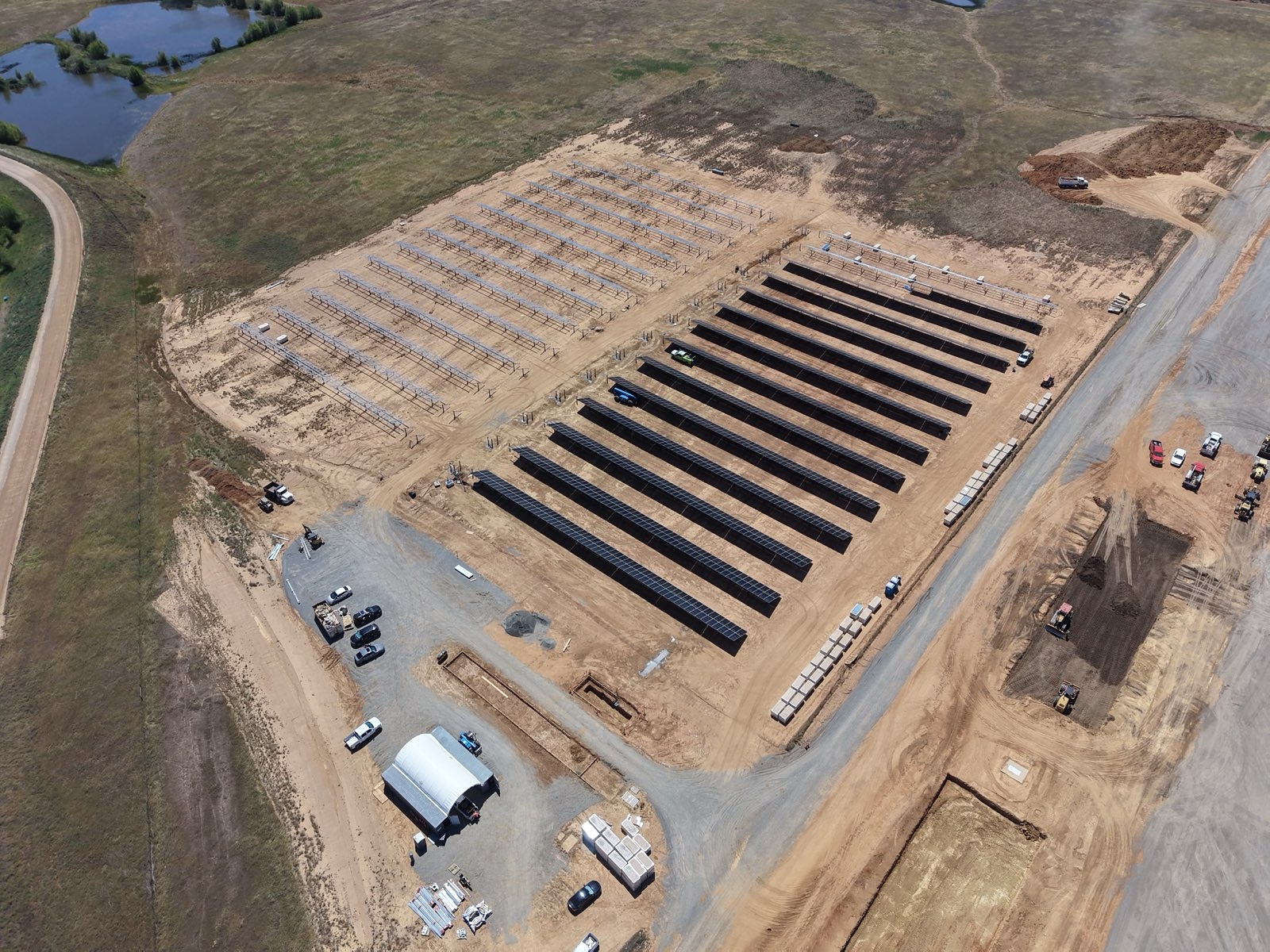
For the Paskenta Band of Nomlaki Indians, the era of depending solely on the regional utility for electricity is drawing to a close. The tribal nation in Northern California has broken ground on a pair of solar microgrids that will fundamentally transform how its reservation generates, stores, and manages power — a project so comprehensive that it will essentially make the community energy self-sufficient. The $44.5 million initiative, funded in part by the California Energy Commission and FEMA's Building Resilient Infrastructure and Communities program, marks one of the most ambitious tribal energy transitions in the state. The project represents more than infrastructure — it's about sovereignty. "The goal of the project is to bring renewable energy onto tribal lands so they can have greater energy independence and control over their electricity supply," a spokesperson for the project explained. Once operational, the microgrids will power virtually every facility on the Paskenta Reservation: the casino, two hotel towers, a travel center, golf operations, an amphitheater, and the critical water pumping and filtration system that serves the community. When the sun isn't shining, two distinct battery systems will step in — a 3 MW/6 MWh lithium-ion setup for quick-response storage and a 3 MW/15 MWh long-duration flow battery capable of holding power for extended periods. Combined solar capacity reaches 4.5 MWac, with a total of 21 MWh of storage. The annual energy production is equivalent to fully powering roughly 800 typical homes. Excess electricity will be sold back to the broader grid, supporting local demand beyond the reservation. OATI's GridMind® solution will orchestrate the entire system, using automated, rule-based controls to optimize when each component produces, stores, or releases power — and enabling both microgrids to operate as one unified system or independently when needed. Beyond resilience, the financial upside is significant: Paskenta will self-generate roughly as much electricity as the reservation consumes, insulating the community from the volatile pricing that has squeezed households and small governments alike. Ground broke on the project in 2024, and when completed, it will stand as a model for how tribal communities nationwide can take the energy future into their own hands.
← News
Clean Energy Clean Energy Planet
Two Microgrids With Solar Power Being Developed For Tribal Community In California
44.5 $M Total funding
21 MWh Storage capacity
~800 Annual homes powered
4.5 MW solar capacity
21 MWh battery storage