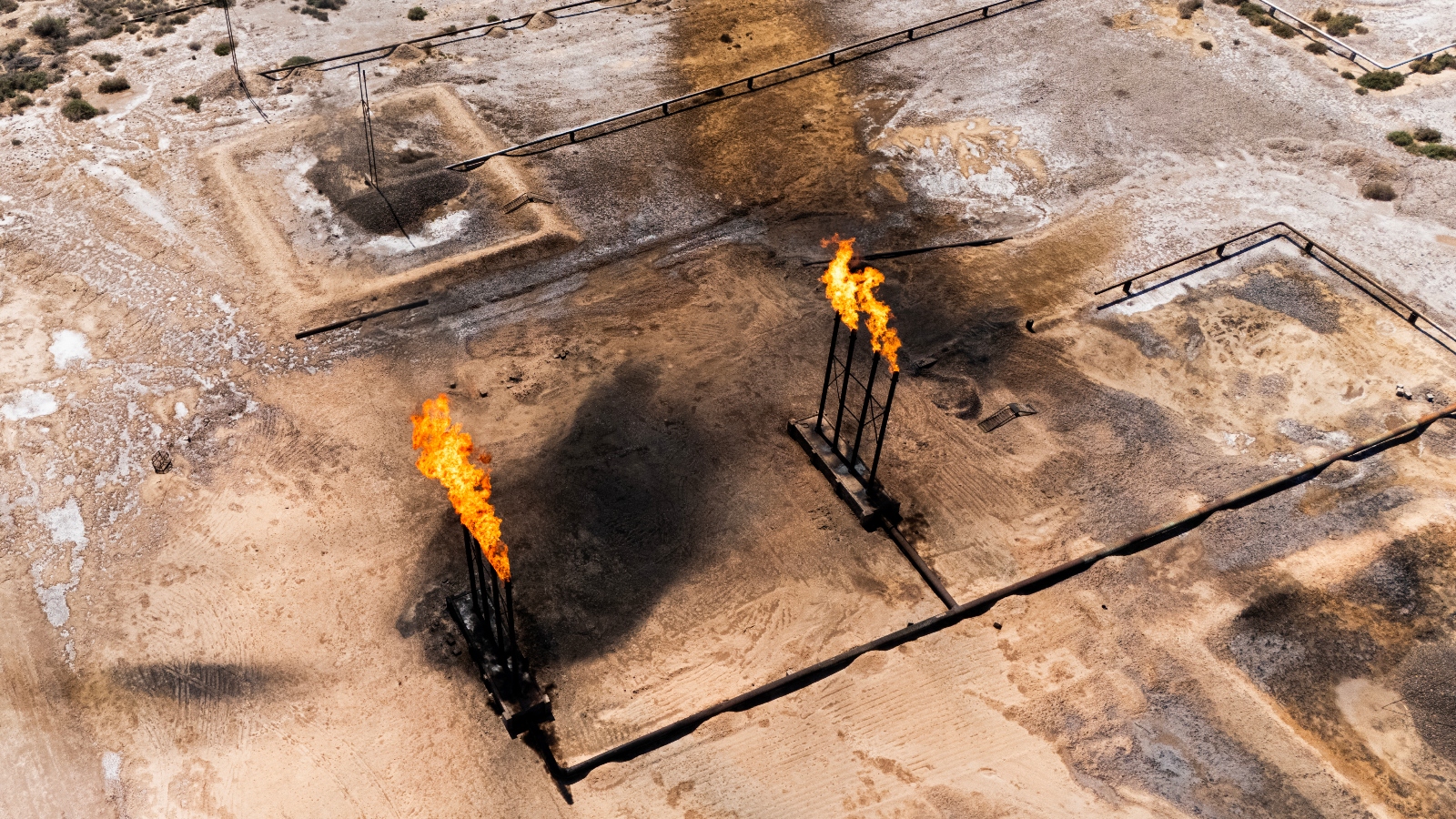
For decades, climate scientists have known what needed to happen: the world had to move away from fossil fuels. But knowing and doing are different things, especially when the old ways remain stubbornly profitable. Despite global pledges and political will, coal, oil, and natural gas still supplied roughly 80 percent of the world's energy as recently as last year.
That calculation may have changed forever two months ago, when conflict near the Strait of Hormuz — the narrow passage through which a fifth of the world's oil and gas flows — cut off a critical artery of global energy. Twenty-five countries are now reporting critical shortages of road fuel, jet fuel, or heating oil. Unlike the oil crises of the 1970s, however, this upheaval arrives at a moment when renewable alternatives have become genuinely competitive.
"We now have a viable alternative," said Selwin C. Hart, a special adviser to the United Nations Secretary-General, speaking at a first-of-its-kind international conference on transitioning away from fossil fuels held this week in Colombia. "Renewables have changed the equation."
The transformation is already visible. While some nations have scrambled back toward coal — the dirtiest fossil fuel — to keep lights on in the short term, others have announced significant investments in clean energy infrastructure. The crisis has accelerated decisions that might otherwise have taken years, forcing governments to confront their dependence on a volatile global supply chain and choose differently.
The numbers reveal both the scale of disruption and the scope of opportunity. Iraq, for instance, saw oil revenue plummet by more than 70 percent in March alone as its export routes dried up. Yet countries with robust renewable capacity have insulated their citizens from the worst of the shortages. Solar and wind, once dismissed as impractical for reliable baseload power, are now filling gaps that would have been catastrophic even a decade ago.
Of course, the path forward remains tangled. Coal is gaining renewed appeal as nations desperate for electricity reach for whatever burns. And solar and wind still struggle to provide the around-the-clock power that factories and hospitals require, meaning the transition will not be instant or smooth.
"It's hard to say which direction things will go," Daan Walter, a lead researcher at the energy think tank Ember, told Grist.
Yet the trajectory seems clearer than it did before. The Strait of Hormuz blockade has exposed a vulnerability that cannot be patched with temporary fixes. Countries that invest now in storage technology, grid modernization, and diversified energy sources will be better positioned for whatever comes next. For the first time in the modern era, the answer to an energy crisis might genuinely be: build solar farms, not strategic reserves.