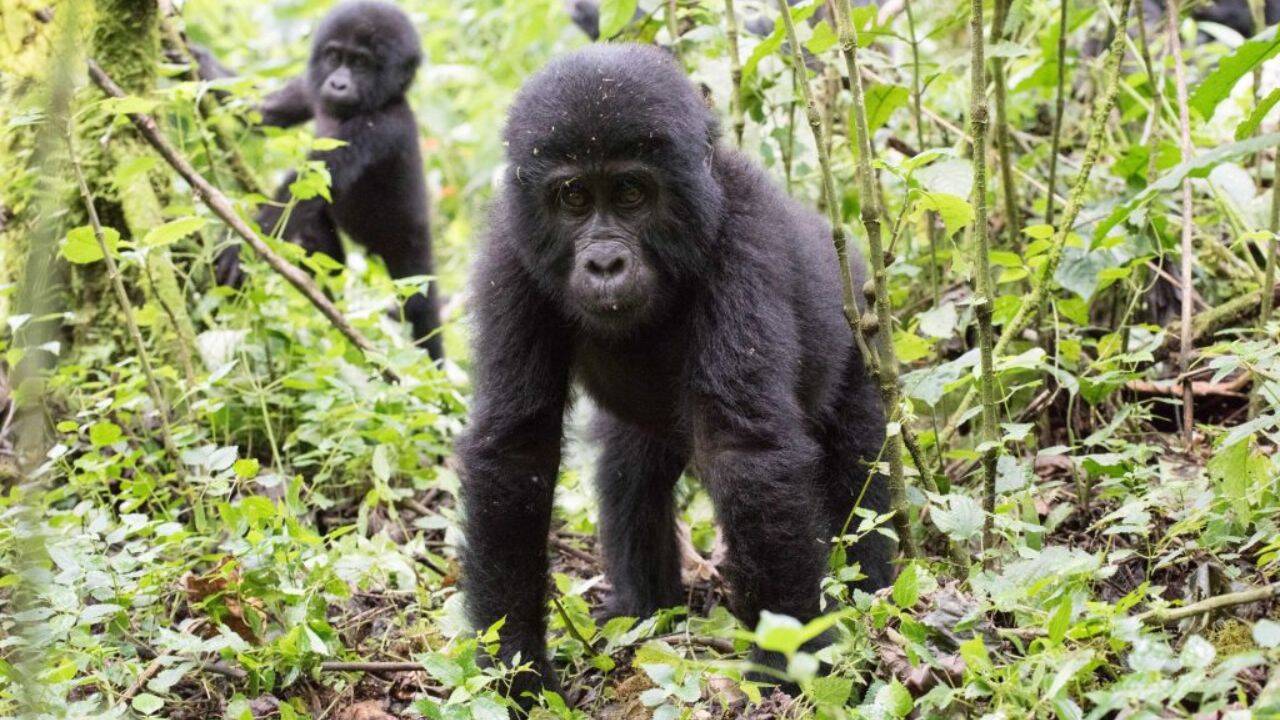
At the edge of Uganda's Bwindi Impenetrable National Park, one of Africa's most precious rainforests, local communities have just done something remarkable: they planted 4,053 trees across 40 hectares of worn-out land. Those same trees are the first step toward rebuilding a damaged buffer zone that shelters the endangered mountain gorillas that call Bwindi home.
Why this matters is simple. Bwindi is one of Uganda's most important natural areas, and the land around it acts like a shield, protecting the forest from growing human pressure. When that buffer is damaged, the rainforest — and everything living in it — feels the strain. But restoration work rarely succeeds if it only helps wildlife. That's why this project uses agroforestry, a method that mixes trees into working farmland instead of separating nature from people. Farmers get the benefits of the land, and the forest gets its protective ring back.
The effort is led by Trillion Trees, and its point is clear from the start: planting is only the beginning. Newly planted seedlings need care, monitoring and preparation to survive and grow into a functioning landscape. So the long-term involvement of the people who live beside Bwindi is central to whether these 4,053 trees will thrive.
Bwindi's project is small compared to the wider ReForest Fund programme, which by December 2025 had supported 27 initiatives across 21 landscapes. Together those projects restored a staggering 712,044 trees, benefiting more than 26,100 people, and are expected to soak up more than 280,000 tonnes of carbon dioxide over 20 years. But size isn't everything. Bwindi's location gives its restoration special weight, because reducing pressure on the surrounding land could help both the gorillas and the communities who share their home.
Trees are proving their worth elsewhere in Uganda too. In the western Kasese district, where erratic rainfall and frequent flooding have damaged homes and fields, a women-led reforestation initiative is planting native Dracaena and Ficus trees. Janet Nyakairu Abwoli has organised workshops teaching women how to plant and care for them, because these species help hold slopes and riverbanks together, keep moisture in the soil, and give households useful resources.
Two separate projects, one message: tree cover in Uganda does more than just support wildlife. It helps communities cope with damaged land, unstable weather and soil loss. And both efforts work best when they're designed around the needs of each individual landscape rather than one approach forced everywhere.
The 4,053 trees around Bwindi will take time to become a true forest. But each planted seedling is a quiet vote for a future where the rainforest, the mountain gorillas and the people at its edge can all grow together.