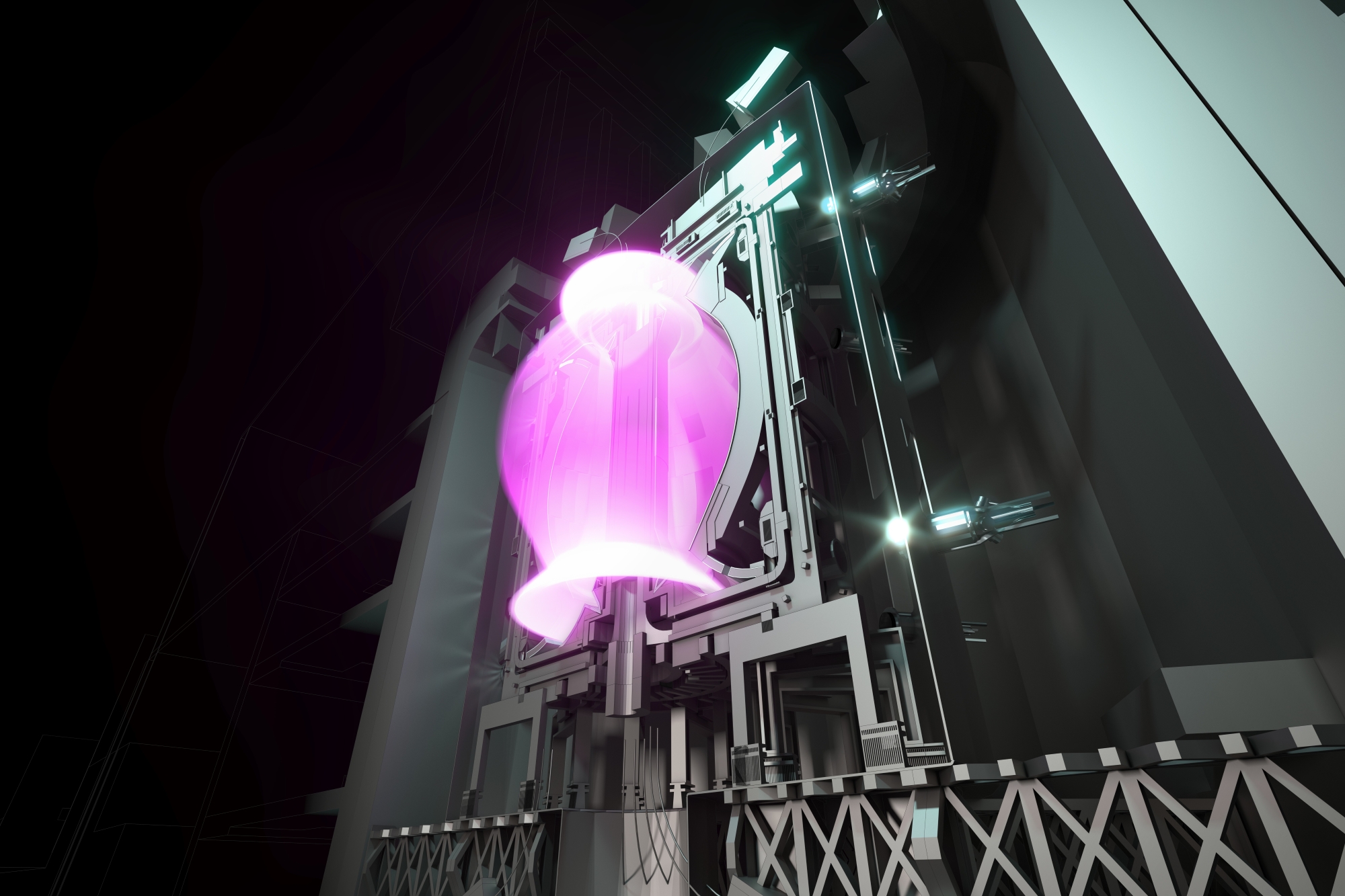
In a quiet corner of Oxfordshire, engineers at the UK Atomic Energy Authority (UKAEA) are helping to build the energy system of the 22nd century — and now, they’re doing it hand-in-hand with their counterparts in Japan. The UK and Japan have cemented a new chapter in fusion energy cooperation with a Memorandum of Cooperation (MoC) signed between UKAEA and Japan’s National Institutes for Quantum Science and Technology (QST), formalizing a shared mission to bring fusion power from the lab to the grid. This isn’t just diplomacy — it’s a technical alliance aimed at solving some of the hardest engineering puzzles on the planet.
Fusion energy, the process that powers the sun, promises clean, safe, and nearly limitless electricity. But turning that promise into power stations requires breakthroughs in plasma physics, materials science, and engineering at extreme conditions. That’s why collaboration matters. The new MoC, signed during Japanese Prime Minister Sanae Takaichi’s visit to London, builds on a broader government-level agreement from June 2025 and establishes a framework for joint research, staff exchanges, and shared access to world-class facilities like the UK’s MAST-Upgrade and Japan’s JT-60SA.
The partnership targets five critical areas: plasma science and materials, tritium breeding blanket systems, whole-plant engineering with robotics, fuel-cycle and safety technologies, and strategies to make fusion commercially viable. Both nations bring unique strengths. The UK is advancing its Spherical Tokamak for Energy Production (Step) programme — a £2.5 billion effort to build a prototype fusion plant in Nottinghamshire by the early 2040s. Japan, meanwhile, brings decades of expertise in magnetic confinement devices and tritium handling, crucial for fueling future reactors. The collaboration will allow scientists from Rokkasho and Culham to co-develop technologies that could one day power cities without carbon emissions.
The stakes are high, but so is the momentum. Globally, fusion has drawn over $6 billion in private investment, and national programs are accelerating. This UK-Japan alliance is more than bilateral goodwill — it’s a strategic move to compress the timeline for commercial fusion. As Tim Bestwick, CEO of UKAEA, put it, “Fusion energy is a global challenge that requires international collaboration.” With both governments treating fusion as a pillar of future energy security — the UK through its national Fusion Strategy and Japan by naming fusion one of 17 key strategic areas in its growth plan — the stage is set for real progress.
If the science holds, and the engineering follows, the lights of tomorrow could be powered by a star built on Earth — one forged not by a single nation, but by a partnership across the Pacific.