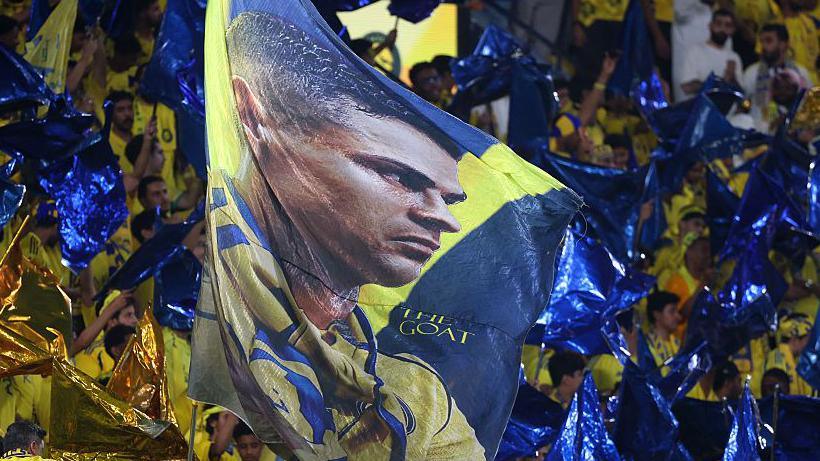
Cristiano Ronaldo clinched his eighth league championship on Thursday, as Al-Nassr secured the Saudi Pro League title in one of the most dramatic seasons in the country's football history. The achievement caps an extraordinary three-and-a-half-year journey that transformed not just one club, but the entire landscape of Saudi Arabian football and, by extension, global sport.
Ronaldo's arrival in Riyadh was the spark that ignited a cascade of world-class talent into the kingdom. Karim Benzema, N'Golo Kante, Riyad Mahrez, Sadio Mane, and Neymar soon followed, flooding the so-called Big Four clubs—Al-Hilal and Al-Nassr in Riyadh, and Al-Ahli and Al-Ittihad in Jeddah. In the summer of 2023, the Public Investment Fund (PIF), which also owns Newcastle United, took over all four clubs, signalling an unprecedented concentration of resources and ambition.
This season proved to be the most competitive yet. Al-Ahli, bolstered by England's Ivan Toney, and Al-Qadsiah, backed by Saudi oil giants Aramco and managed by Brendan Rodgers, surged early in the campaign. Yet both eventually faded, leaving Al-Nassr and Al-Hilal to contest what many described as the biggest league game in the country's history. Their decisive showdown on May 12 was watched in over 180 countries, drawing millions of eyes to the kingdom's football.
The title-deciding moment came in extraordinary fashion. Leading 1-0 with just minutes remaining, Al-Nassr's victory seemed assured. But in the 97th minute—the final action of the match—Al-Hilal's goalkeeper Bento inexplicably spilled a routine catch into his own goal. The resulting 1-1 draw kept the title race alive. When Al-Nassr convincingly claimed the crown on Thursday, it marked the club's 11th league championship and Ronaldo's eighth across England, Spain, Italy, and now Saudi Arabia.
The title carries symbolic weight far beyond football. According to Simon Chadwick, professor of Afro-Eurasian sport at Emlyon Business School in Paris, Saudi officials view the success as validation of both Ronaldo's signing and the broader PIF strategy. "The league win will also help to confirm the Saudi view that success can be rapidly achieved given the right mix of domestic strategy and overseas acquisition," Chadwick told the BBC.
Yet the season was not without turbulence. In February, Ronaldo missed two league matches amid reported concerns about PIF's management of the club. Meanwhile, players including Ivan Toney and Brazilian winger Galeno publicly accused the league of favouring Al-Nassr. Ronaldo responded with frustration, telling critics: "This is not good for the league. Everyone complains. This is football, this is not a war."
The championship comes as relief following Al-Nassr's unexpected loss to Gamba Osaka in the AFC Champions League Two final—Asia's equivalent of the Europa League—just days before.
Beyond Ronaldo's triumph, Saudi Arabian sport faces broader questions. The PIF has announced it will cease funding LIV Golf after this season, while the 2029 Winter Asian Games have been postponed indefinitely. The era of record-breaking transfers appears to have peaked; in a single 2023 window, Saudi clubs spent £700 million. Now recruitment focuses on younger players with resale value, though significant signings like Darwin Nunez's £46 million move to Al-Hilal continue.
As Chadwick noted, the challenge ahead is sustaining momentum. "It is now for all the clubs, the league and the country's decision-makers to capitalise upon the success that Ronaldo has helped to deliver," he said. For Saudi Arabian football, the question is whether this championship marks a new beginning or the final chapter of an unprecedented era.