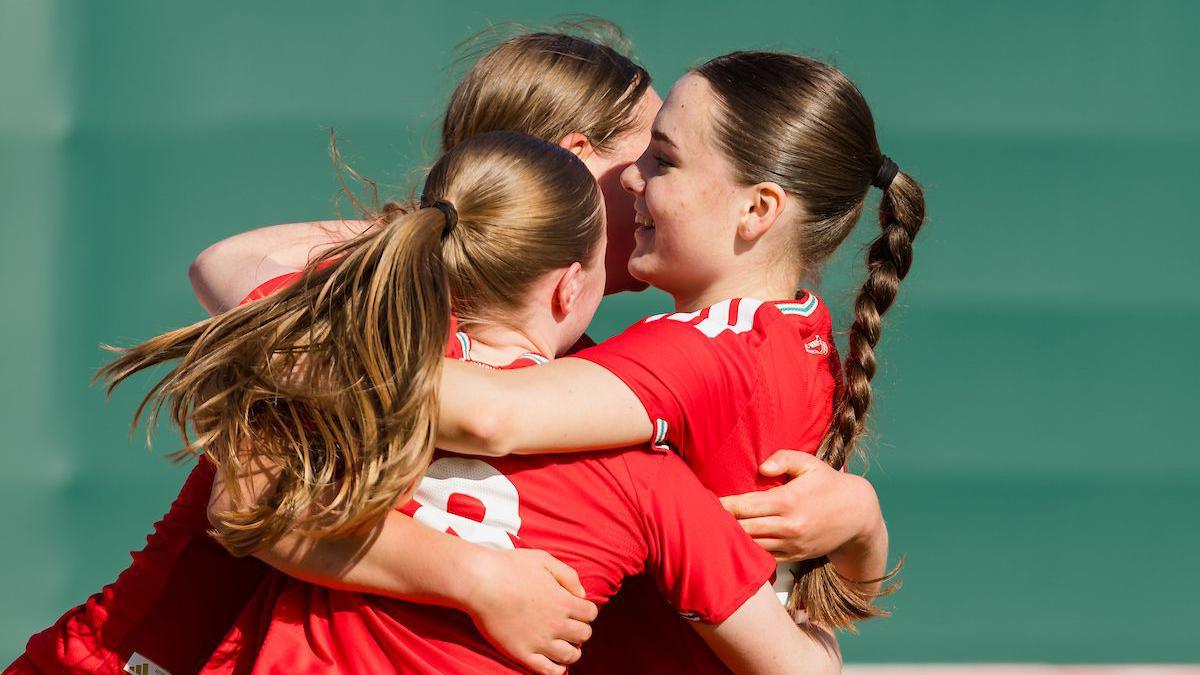
Shanelle Edwards was 19 when she stepped off the pathway to Wales women's football, and she's spent the last 13 years wondering what might have been. A promising international at under-17 and under-19 level, Edwards was invited to train with the senior squad—a validation of her talent. But there was nowhere official to develop between age 19 and the senior level, where players can be as old as 25 or beyond. The jump felt too steep. Now 32 and working in property finance, Edwards finds herself part of a growing chorus of voices calling for Wales to create under-21 and under-23 women's squads to bridge that critical gap.
The argument is straightforward but compelling. Welsh football campaigners, led by Soraya Kelly, say the absence of these intermediate pathways is costing the nation its young talent. Currently, the FAW provides world-class development for girls until age 19—the under-19 team, coached by Nia Davies, has won three of their last four matches, including an impressive victory over England. But then the door largely closes. Players must either make an enormous leap to senior football or leave the sport altogether. "So many talented girls are dropping off," Kelly says, "or even before dropping off, are thinking, 'Well, we've only got till we're 19, so what's the point?'" Of a 20-player under-19 squad, only four or five will be eligible to stay. "These talented girls, where can they go? It's not acceptable. It's really not," Kelly adds.
Edwards articulates what that gap actually means. "The gap between being an 18 or 19-year-old footballer to competing with senior level players is a big jump both physically and mentally," she explains. Edwards points to the men's game as evidence: players typically make their senior debut between ages 21 and 23, a pathway built with intermediate sides. Without that scaffolding, Wales struggles to compete internationally against nations that have invested in the same structure.
Legendary striker Helen Ward, who earned 105 Wales caps and scored 44 goals, spent years skeptical of the idea, believing Wales simply lacked the talent pool to support three separate women's teams. Her mind has changed. "In the past, I always thought there wasn't really a need," Ward reflects, now head of women's football at Watford. But participation in women's football has grown dramatically across Wales. More girls are playing at grassroots level, developing faster, and creating a genuine pool of emerging talent. Ward herself didn't debut for Wales until age 22—not everyone is a generational anomaly like Carrie Jones, who stepped up at 15. "Not everybody's going to be ready and raring to go at the age of 19 straight for senior football," Ward says.
The practical barrier is funding. The FAW relies primarily on commercial revenue and payments from FIFA and UEFA—income that has tightened since Wales men's team failed to qualify for this summer's World Cup. That's where Soraya Kelly believes the Welsh Government must step in. The government already supports grassroots initiatives and has backed projects like the 'Partner Support Fund' that supported 16 organizations ahead of Wales' Euro 2025 appearance. Sport Wales distributes public and lottery money to the FAW through grants. Any bid to fund an elite pathway would require careful negotiation, but the momentum is building—and the evidence, these campaigners say, speaks for itself.