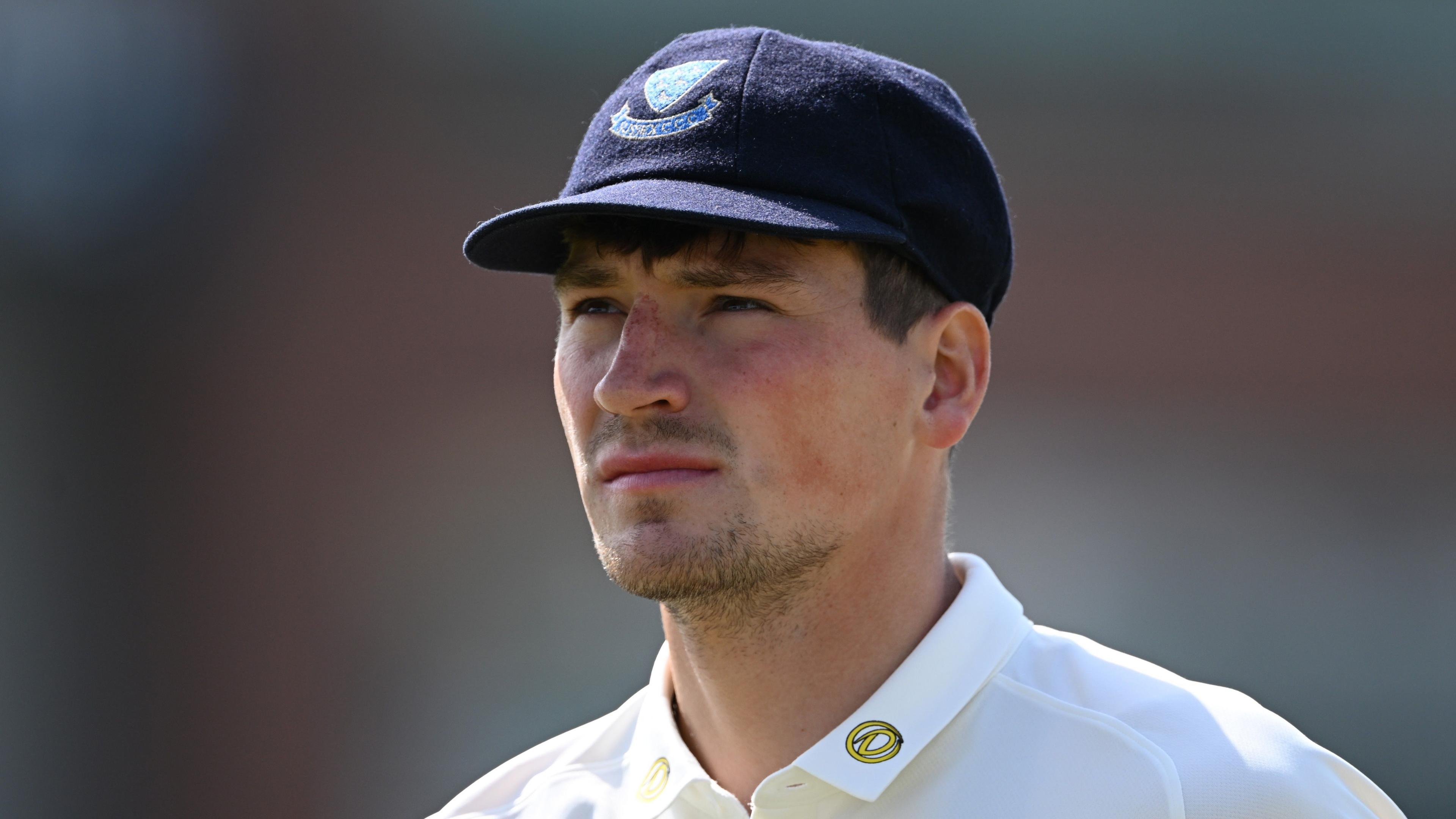
Henry Crocombe, the uncapped Sussex pace bowler, has earned a place in England's Test squad for the second match against New Zealand, marking a remarkable turnaround for a player who began the season fighting back from injury concerns.
The 27-year-old's selection as injury cover represents vindication for England's pursuit of emerging talent. A product of Sussex's academy, Crocombe had already impressed England's coaching staff enough to earn Lions selection in 2024, but injuries threatened to derail his progress. What changed everything was how he opened this season: with a stunning maiden five-wicket haul against Leicestershire, taking nine wickets across the match and announcing himself as a serious contender for international cricket.
England selector Brendon McCullum recognized the shift immediately. When naming the squad for the first Test, McCullum noted that Crocombe had "really kicked on" this season—a phrase that understates the magnitude of his breakthrough. For a player who faced the frustration of injury setbacks, this resurgence on the domestic stage became the platform for international recognition.
The squad selection itself raises interesting questions about talent identification in English cricket. While uncapped players like Essex's Sam Cook and Durham's Matthew Potts have been overlooked in recent selections, Crocombe's inclusion reflects a deliberate choice to back the evidence of what he has demonstrated on the field this year. His nine-wicket haul against Leicestershire wasn't merely a strong performance—it was a statement that he belongs in the conversation at the highest level.
This opportunity comes at a pivotal moment for Test cricket in England. With the second Test against New Zealand looming, the squad represents a blend of established names like Joe Root, who captains the side, alongside emerging talents like Jacob Bethell and Jordan Cox. Among the pace options, Crocombe joins established figures like Jofra Archer and Ollie Robinson, as well as Matthew Fisher and Josh Tongue, competing for places. The depth of the fast bowling lineup speaks to England's investment in developing successive generations of Test cricketers.
Crocombe's journey reflects something important about resilience in professional sport. Sussex's academy system has produced another player capable of making a genuine impact at the highest level, even after the setback of injuries that could have ended ambitions. His ability to return stronger, rather than diminished, speaks to both personal determination and the quality of support systems within the county game.
For English cricket, the selection suggests a willingness to back form and potential even when a player hasn't yet worn the Three Lions in Test cricket. Crocombe's maiden five-wicket haul was just the beginning of his season; the fact that he has sustained that form long enough to earn Test selection indicates this is not a one-match wonder, but a player genuinely ready for the step up.
As England prepares for the New Zealand Test series, Crocombe's inclusion adds an intriguing dimension. Whether he takes the field or remains squad cover, his selection represents the culmination of years of work through Sussex's academy system and a season of genuine breakthrough performances. The next chapter of his story, written at Test level, is about to begin.