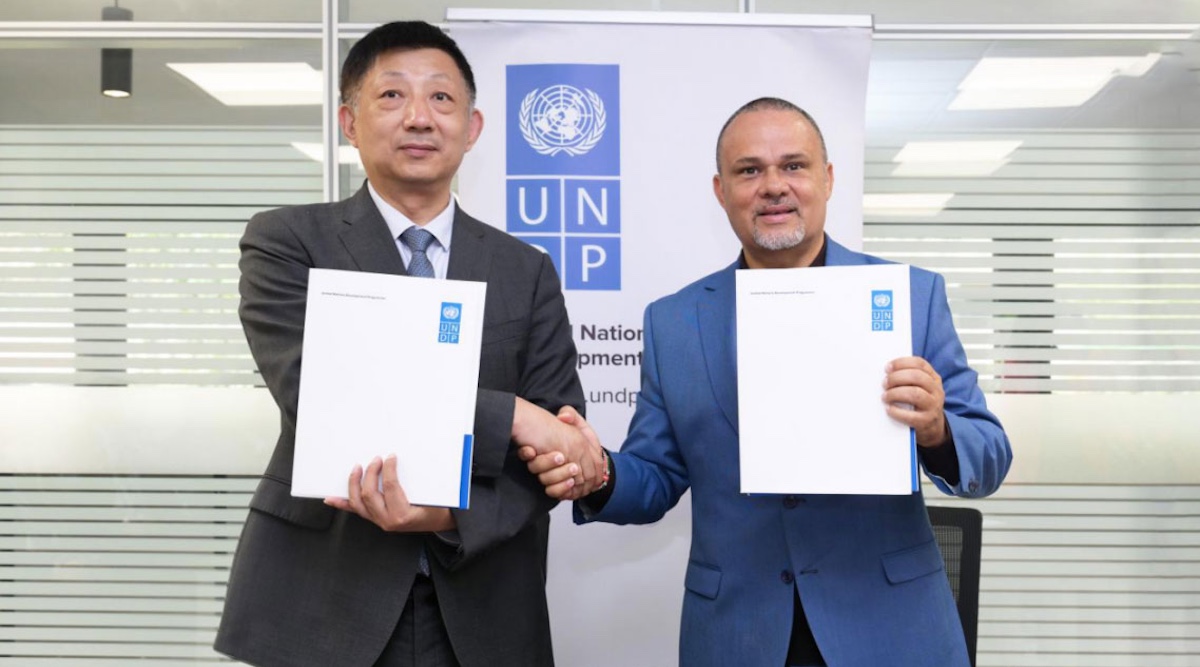
On a bright day in Nairobi, Kenya, something small but significant happened: a major electric vehicle company signed a deal with the United Nations to help Africa go green on wheels.
The United Nations Development Programme, known as UNDP, teamed up with TAILG, a company that makes electric scooters, motorcycles, and bicycles. Together, they signed an agreement to create something called the Green Mobility Centre of Excellence — a hub designed to bring cleaner, quieter, and healthier transportation to Africa.
For many people in African cities, the hum of gasoline motorcycles and scooters is part of daily life. These vehicles are practical and affordable, but they also pump out pollution that harms both people and the planet. The new partnership aims to change that by helping riders switch from gas to electric — and by building an entire support system for green transportation to grow across the continent.
TAILG isn't a small operation. The company runs seven research and manufacturing centers around the world and can produce more than 15 million vehicles each year. Its products already reach people in over 70 countries. Now, TAILG is bringing that experience to Africa, working alongside the UN to share technology, train workers, and build a whole ecosystem of clean mobility innovation.
Michael Yao, the president of TAILG, called the partnership an important milestone. "In the future, TAILG will leverage its new energy two-wheeler technologies to collaborate on advancing green mobility, gasoline-to-electric conversion, and carbon reduction projects in Africa," he said. He added that the goal is to share solutions, protect the environment, and help the Earth go further.
The Green Mobility Centre of Excellence will serve as a home base for this work. It will bring together engineers, business leaders, and local communities to test ideas, train people in new skills, and attract investment. The hope is that over time, more and more Africans will have access to affordable electric vehicles — creating jobs, cutting emissions, and making cities cleaner places to live.
This kind of collaboration between a global company and a UN agency is becoming more common as the world looks for ways to tackle climate change. Electric transportation is one of the simplest and most effective tools available. By swapping one gas-powered scooter for an electric one, a rider can cut their emissions dramatically while also saving money on fuel.
The partnership is still in its early days, but the signers say they hope to see real results for African communities within the coming years. For millions of people who depend on two-wheelers to get to work, school, or market, a cleaner ride could make all the difference.