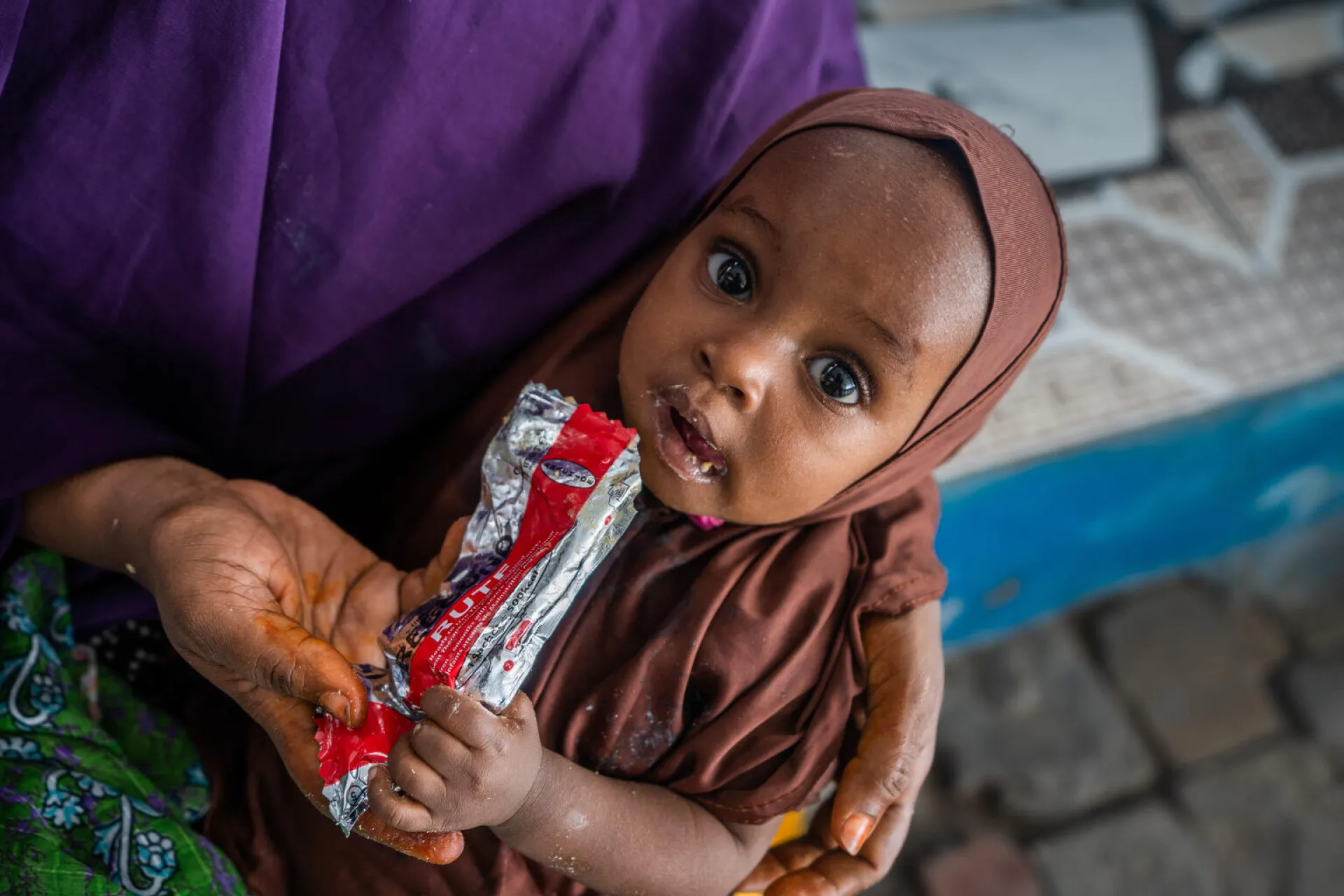
When 3-year-old Amina in eastern Ethiopia was diagnosed with severe wasting last month, a packet of ready-to-use therapeutic food (RUTF) arrived within days—delivered through a supply chain strengthened by a new $218 million lifeline from the United States to UNICEF. Announced on June 17, 2026, in New York, this 12-month partnership between UNICEF and the U.S. State Department’s Bureau for Disaster and Humanitarian Response (DHR) is one of the largest ever focused on child survival in crisis zones. At a time when 45 million children under five suffer from wasting globally, and humanitarian funding gaps widen, this investment arrives as both urgent and transformative.
The scale of need is staggering. From the war-ravaged cities of Ukraine to the drought-stricken villages of Ethiopia and the conflict zones of Myanmar, millions of children face malnutrition, disease, and disrupted access to clean water and education. This partnership is designed to cut through complexity with speed and precision. By combining rapid emergency response, surge capacity, and targeted country operations, it empowers UNICEF to act faster where needs are greatest. As the world’s largest procurer of RUTF, UNICEF will use these funds to not only treat children but also fortify global supply chains, ensuring life-saving nutrition reaches even the most remote and dangerous locations.
Concrete goals anchor the initiative: UNICEF aims to screen over 4.4 million children for malnutrition and deliver life-saving treatment to nearly 950,000 children suffering from severe wasting. The partnership will support emergency operations across all UNICEF regions, with focused investments in Ethiopia, Myanmar, and Ukraine—three of the most acute humanitarian crises today. Beyond direct aid, the funding will strengthen local systems, boost coordination among humanitarian actors, and reinforce UNICEF’s leadership in nutrition, water, sanitation, hygiene, and education clusters.
“This partnership comes at a critical moment for children,” said UNICEF Executive Director Catherine Russell. “Humanitarian needs are growing, while resources are under increasing pressure.” Her words reflect not just the gravity of the moment but the power of sustained collaboration. The U.S. has long been a top donor to UNICEF, and this commitment deepens a shared mission: to protect every child’s right to survive and thrive, no matter where they are born or what crisis they endure.
As climate shocks intensify and conflicts persist, the need for agile, child-centered humanitarian action has never been clearer. This partnership doesn’t just deliver aid—it builds resilience, empowers local leaders, and signals that the world is still willing to act decisively when children’s lives are on the line. For children like Amina, that means more than survival. It means a chance to grow, learn, and dream again.