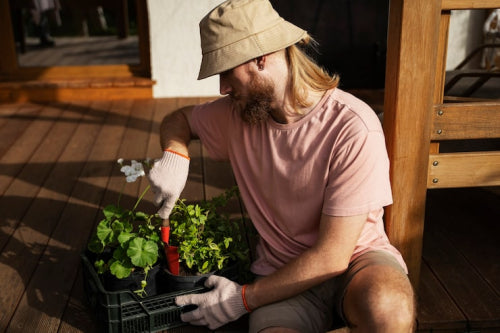
On a sweltering afternoon in Melbourne, Amina Patel kneels beside a raised garden bed atop her apartment complex, harvesting cherry tomatoes still warm from the sun—just one of 120 residents now growing food on what was once unused rooftop space. This quiet transformation is unfolding across cities worldwide, where concrete is giving way to crops, and neighbors are becoming co-farmers. Urban gardening, once seen as a fringe pastime, has evolved into a vital strategy for building resilient, sustainable cities in the face of climate change, food insecurity, and social fragmentation. From Brooklyn to Singapore, city dwellers are reclaiming underutilized spaces—not just to grow food, but to grow community.
In Singapore, Sky Greens operates the world’s first low-carbon, hydraulic vertical farm, producing over 1,000 kilograms of leafy greens daily in a footprint smaller than a tennis court. This innovation reflects a broader shift: cities with limited land are turning upward. In Melbourne and Sydney, more than 45 high-rise developments now feature productive rooftop gardens, supported by local councils aiming to increase urban green cover by 30% by 2030. Meanwhile, in London, over 1,200 community gardens thrive across boroughs, many emphasizing biodiversity and inclusion, while New York City’s GreenThumb program supports nearly 550 community plots—the largest such network in the United States.
These initiatives do far more than yield vegetables. They cool urban heat islands, reduce stormwater runoff, and cut food transport emissions—Brooklyn’s Added Value Farm, for instance, delivers over 10,000 pounds of produce annually to local families while training youth in sustainable agriculture. Technology is amplifying impact: IoT sensors and automated irrigation systems, tested at institutions like Nanyang Technological University, are helping urban farms optimize water and energy use. In the UAE, hydroponic rooftop gardens use 90% less water than traditional farming, proving that even arid cities can cultivate green abundance.
But the deepest roots of this movement are social. Jakarta’s neighborhood garden plots have become hubs for mutual aid, where elders teach children to plant kangkung while strengthening intergenerational bonds. In London, community gardens report a 40% increase in resident-reported well-being, and studies show participants are more likely to know their neighbors by name. When people grow food together, they also grow trust.
As urban populations surge past 5 billion globally, the future of sustainable living may not lie in distant farmlands, but in the shared soil of city rooftops, balconies, and vacant lots. The revolution isn’t coming—it’s already sprouting, one seedling at a time.