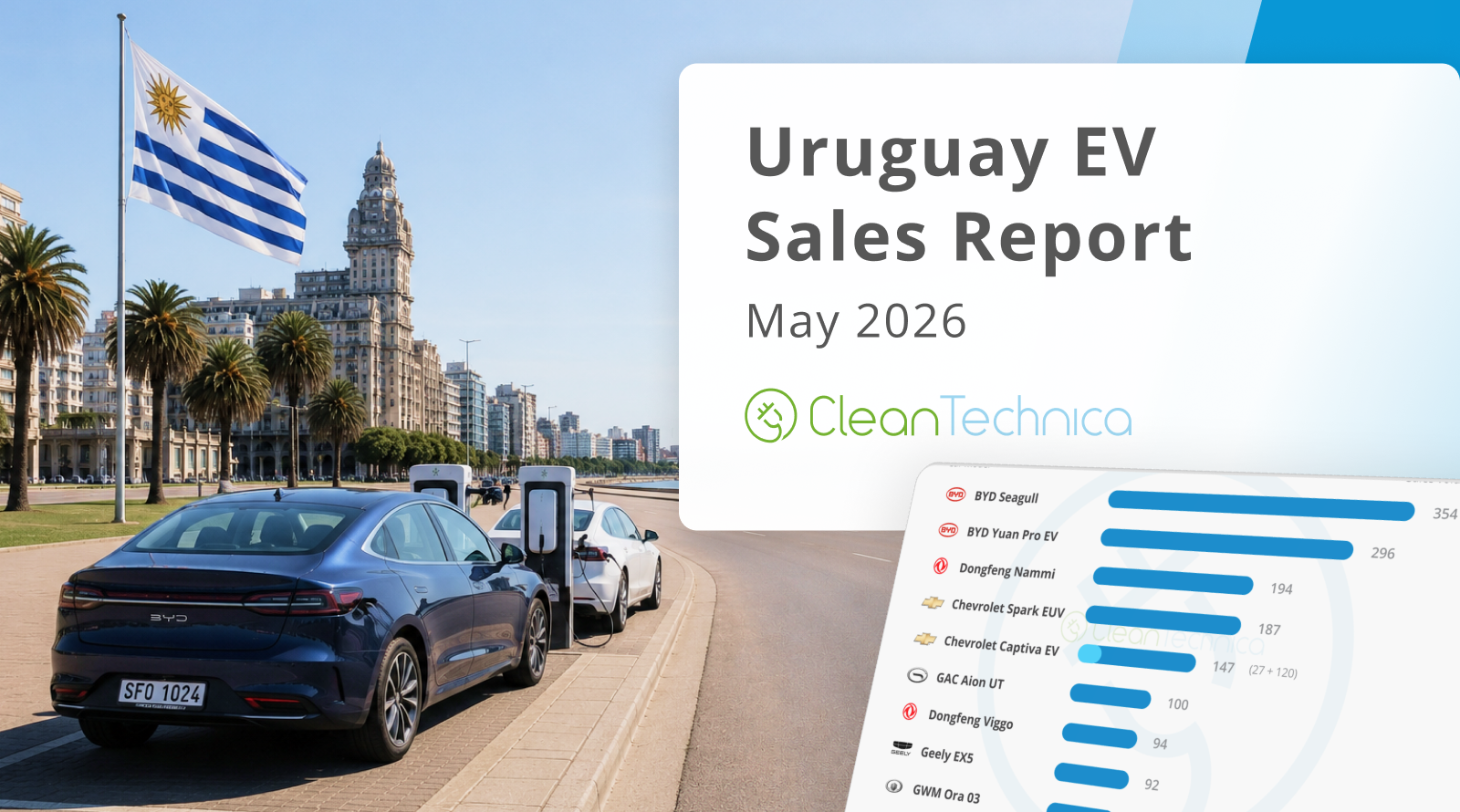
In Montevideo, the hum of electric motors is beginning to drown out the roar of gasoline engines — a quiet revolution accelerating faster than anyone predicted. In May 2026, battery electric vehicles (BEVs) captured a staggering 41.2% of Uruguay’s new car market, a milestone that marks the nation as not only Latin America’s clean transportation leader but one of the world’s most dynamic electrification success stories. This isn’t just about EVs gaining ground; it’s about the fossil fuel era beginning to crack under pressure. For the first time in the region, even as overall vehicle sales have surged by 23% since 2024, combustion-only car sales have plummeted by 15%, signaling a structural shift rather than a temporary trend.
Uruguay’s transformation is rooted in a perfect storm of economic and environmental logic. With the continent’s highest fuel prices and no domestic oil reserves, every liter of gasoline must be imported, making electric mobility a matter of energy security as much as sustainability. The country’s grid, powered largely by renewables, further strengthens the case for EVs. These advantages, combined with a wave of affordable new models, have turned the market into a competitive arena. In May 2026 alone, 2,888 electric vehicles were sold — a record high and triple the volume from the same month the previous year. Of those, 2,675 were pure battery electric vehicles, while plug-in hybrids and extended-range models made up just 213 units, confirming that Uruguay’s shift is being driven by full electrification, not transitional tech.
The dominance of once-unstoppable BYD has softened from 70% market share in 2024 to 27% in May 2026 — not because it’s losing ground, but because the market is exploding with competition. Geely and Chevrolet have surged, the latter riding the popularity of its rebranded Baojun and Wuling models like the Spark EUV and Captiva EV. Meanwhile, Dongfeng’s Nammi 03 has become a surprise hit, offering hyper-affordable electric SUVs starting at $26,000, including the Viggo model that’s reshaping access to clean transport. Year-to-date, the EV brand rankings show a diversified field: BYD still leads, but Dongfeng, Geely, and Chevrolet are close behind, with Changan standing out as the only major player focusing on PHEVs.
This isn’t just a Latin American story — it’s a global beacon. Uruguay is on the verge of hitting 50% plug-in market share, a threshold only a handful of countries have crossed. While global fuel prices may fluctuate, Uruguay’s momentum appears self-sustaining, driven by economic pragmatism, environmental clarity, and consumer choice. As the world watches for signs that the ICE age is truly ending, Uruguay isn’t just whispering — it’s sounding the alarm.