The United States is putting its stamp on a massive green hydrogen project in southern Morocco, thanks to a $5.7 million grant from a little-known federal agency.
The funding comes from the U.S. Trade and Development Agency, an independent government office that helps American companies find business abroad. On July 28, the agency announced the grant will pay for early studies on a large-scale ammonia production plant to be built in Laayoune, a city in southern Morocco.
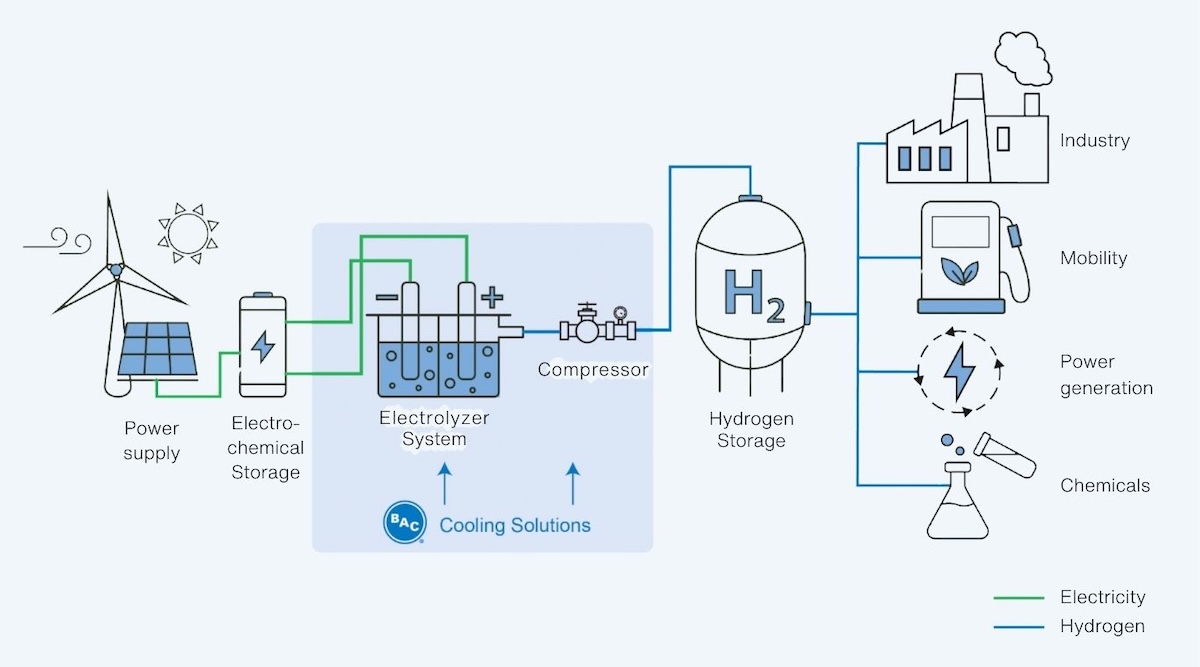
Ammonia is a key ingredient in fertilizer, and the world needs a lot of it. But traditional ammonia factories guzzle natural gas and belch out climate-warming pollution. This project takes a different path. Instead of pulling hydrogen from fossil fuels, it will pull hydrogen from water using machines called electrolyzers. Those electrolyzers will run on wind and solar power, making the whole process clean or "green."
The American company Electric Hydrogen, based in Massachusetts, developed the electrolyzer technology that will be studied. If the project moves forward, it would mark the company's first major deployment in Africa.
The project is part of Morocco's bigger plan called the "Morocco Offer," launched in March 2025. Under that initiative, the country picked several teams to build six green hydrogen projects across its southern regions. The total investment planned: 319 billion dirhams, almost $87 billion. The Laayoune plant alone would produce 560,000 tons of ammonia every year.
The Laayoune project will be built by a three-company team called ORNX. The partners are Acciona from Spain, Nordex from Germany, and Ortus Power Resources Morocco. Ortus has ties to the U.S. climate technology scene through its co-founders.
The grant is small compared to the billions at stake, but it carries weight. Morocco is in a territorial dispute over the Western Sahara region where Laayoune sits. In 2020, then-President Trump backed Morocco's claim. More recently, Morocco named a new $1 billion highway in the area after President Trump. At the grant signing ceremony, U.S. Ambassador Duke Buchan III declared, "America is in the Moroccan Sahara."
For Morocco, the payoff stretches beyond fertilizer. The country sits just across the sea from Europe, giving it a geographic edge for exporting green hydrogen to continental markets looking to clean up their energy grids. With vast sun and wind resources of its own, Morocco has positioned itself as a potential hydrogen powerhouse. This project, backed by American know-how and money, brings that vision a step closer to reality.