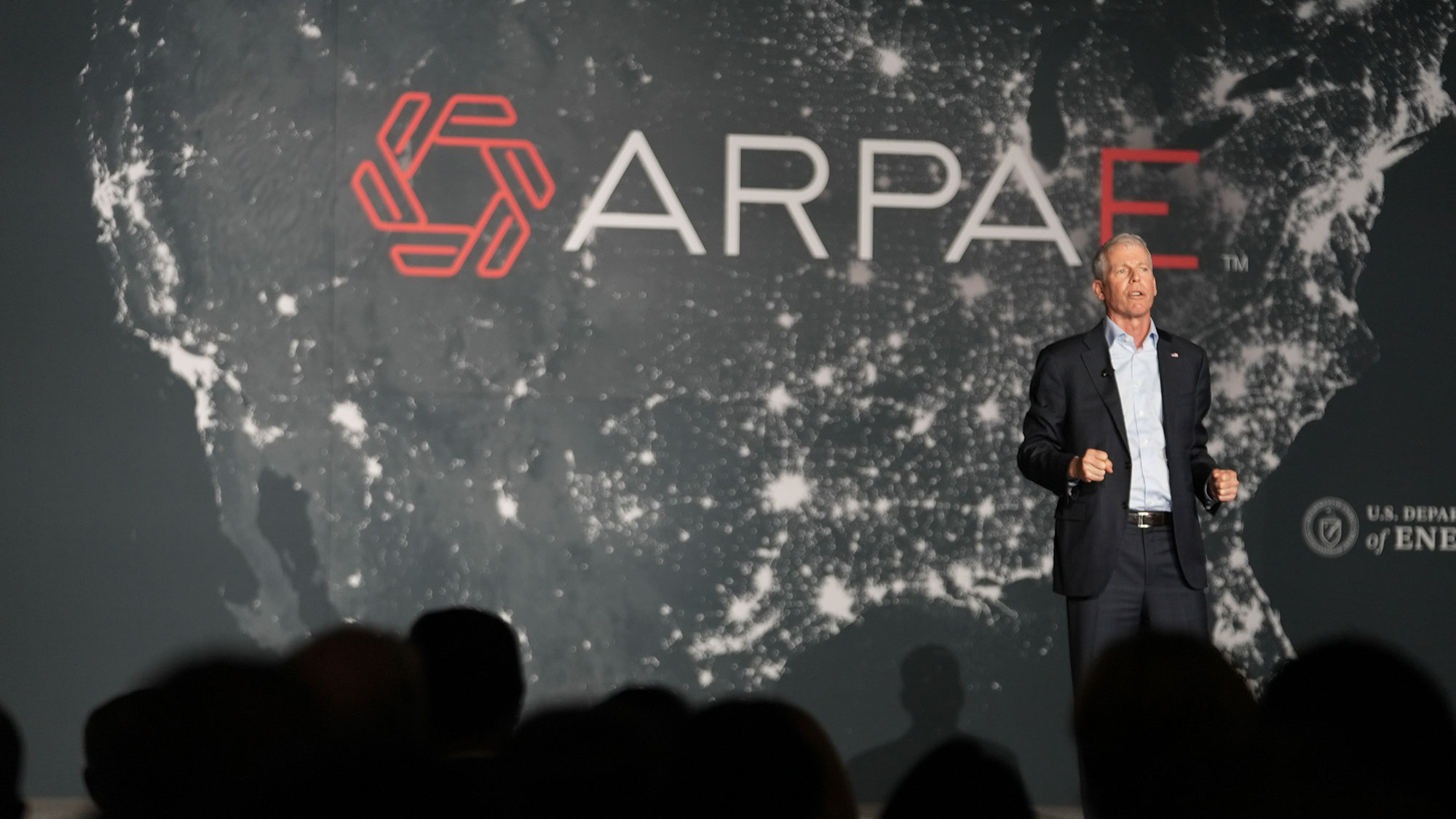
In 2009, a little-known U.S. government office began writing checks to inventors working on ideas so risky that almost nobody else would touch them. Fifteen years and $4 billion later, that bet has quietly paid off in ways that could reshape how the world gets its power.
The office is called ARPA-E, short for the Advanced Research Projects Agency–Energy, a program run by the U.S. Department of Energy. It was modeled on a similar military program that once helped invent the internet, and it exists to solve a very real problem: great clean-energy ideas often die in what experts call the "valley of death" between a lab experiment and a profitable business. It can take years or decades for new technology to scale up, and investors rarely want to wait that long. ARPA-E was created to help energy pioneers cross that gap.
A landmark report from the National Academies of Science, requested by Congress and released last week, found that the gamble is working. ARPA-E's $4 billion has pulled in more than $20 billion in extra funding and produced more than 1,400 patents. Projects that received ARPA-E money were far more likely to earn patents and attract investment than projects that were turned down. And in about 40 percent of cases, the program caused a "crowding in" effect — once one startup proved a technology was possible, other companies jumped in to copy it.
Even more surprising: much of the technology ARPA-E funded early on, like solar panels and lithium-ion batteries, is now so cheap it no longer needs government help. These inventions got hundreds of times cheaper thanks partly to massive manufacturing investment in China. Today, some climate experts argue solar no longer needs the tax subsidies written into the Inflation Reduction Act under President Joe Biden.
Instead, the report says ARPA-E should now focus on the hardest climate problems — the ones where answers are still decades away. Solar and wind only work when the sun shines and the wind blows, but factories and data centers need power around the clock. That's where the program's recent investments are paying off. Fervo, a company that turns the Earth's natural underground heat into electricity using super-deep wells, got ARPA-E support back in 2019 and went public this year, inking deals with Google to power data centers in Nevada. Form Energy builds iron-air batteries that can store clean energy for days on end, and X-energy develops small-scale nuclear reactors.
Looking ahead, the report's authors say ARPA-E should chase even bigger moonshots: nuclear fusion, "seasonal energy storage" for long winter months, and carbon-free ways to make steel and cement — each of which pumps out around 8 percent of global emissions. The committee, made up of more than a dozen scientists and energy experts, recommended that Congress significantly expand the program's funding.
"We're trying to enable very talented people who could be doing other things to spend their lives trying to do incredibly risky things," said Chris Bataille, a clean-energy expert at Columbia University. It's risky work — but as ARPA-E's fifteen years prove, sometimes the riskiest bets deliver the biggest rewards.