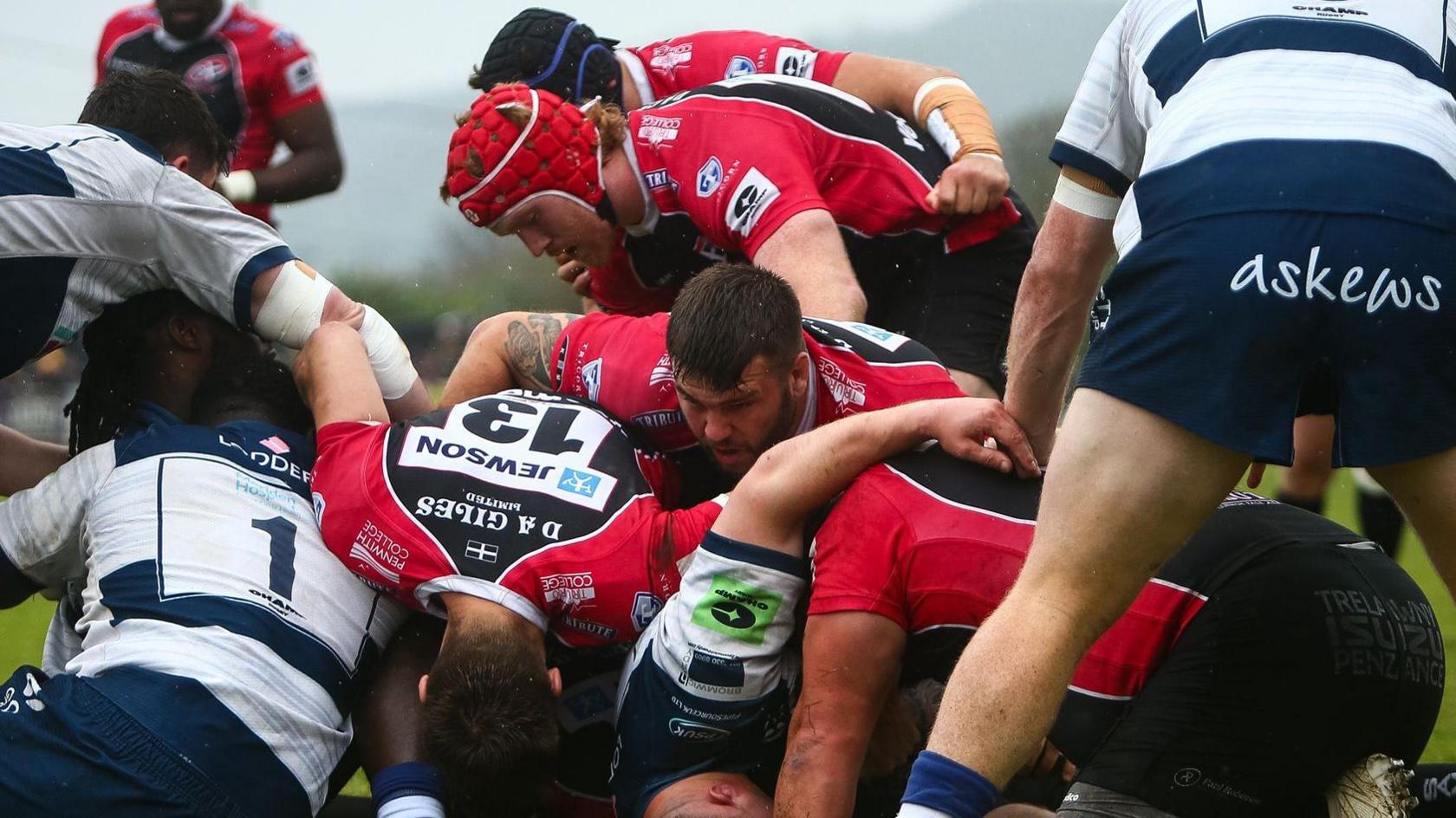
Kenn Moritz discovered Cornish Pirates the way many people stumble upon good opportunities these days: scrolling through an article online. What started as a casual read for the Pittsburgh-based investment manager became a serious commitment when Stonewood Capital Management, the firm he leads, invested a seven-figure sum into the Penzance rugby club—making Stonewood the first American investors to take a stake in an English professional rugby union side.
The timing speaks to a broader shift in English rugby's landscape. English rugby's second tier, where the Pirates currently sit after finishing seventh in the most recent season, is attracting new attention and new money. Exeter Chiefs' members have just voted to allow a takeover by the American ownership group behind Premier League football club AFC Bournemouth, while Newcastle and Bath have both secured additional investment. A franchise-based Premier League for rugby is on the horizon, and American capital is watching closely.
For Stonewood, the investment represents more than a financial bet. Moritz and his team secured seats on the Pirates' board of directors, signaling their intent to shape the club's strategic direction rather than remain passive investors. "I think we're going to be involved at the board level, and that means to us that we are involved in important decision-making," Moritz explained to BBC Spotlight. Yet he was equally clear about boundaries: Stonewood has no plans to meddle in day-to-day operations or impose an outsider's management style on a club with deep roots in its community.
The vision is methodical and patient. Stonewood believes it can increase the franchise's value by executing on agreed-upon strategies, whether the Pirates remain in the Championship or eventually climb into the Premier League. "If we decide to cross the threshold into the Prem, that will be another step we take to increase the value of the franchise and the value of our investment," Moritz said, though he emphasized that reaching the top flight would only happen if the club first does "the work that has to be done in either case."
What's striking is Stonewood's philosophical approach to returns on investment. Moritz held firm that the firm has no specific timescale for involvement, no predetermined return targets, and no rigid exit strategy. This isn't a venture capital sprint toward a quick flip. Instead, Stonewood operates from a principle of patient capital: execute the right strategies, grow the asset steadily, and trust that value will accumulate naturally over time. "If we do the right things by the investment, we grow it, we execute the strategies that people think will take us to a better place, all good things happen at that point," Moritz reflected.
For Cornish Pirates, an English club steeped in regional pride, the American investment brings both fresh capital and a connection to a growing investment ecosystem. It signals that rugby clubs—traditionally community institutions—now compete for serious institutional backing. Whether that partnership leads to Premier League football or simply strengthens the Pirates' position in the Championship remains to be seen. But for a club in Penzance that now has a board seat held by a Pittsburgh firm, the future suddenly feels wider open than it did a year ago.