In the quiet of a Louisiana kitchen, Maria Thibodeaux checks her latest electricity bill—$1,347, up nearly $500 from last year—and shakes her head. "It’s the heat, the storms, the insurance hikes," she says. "It’s all adding up." Her experience is not unique. Despite a national silence on climate change in political and media circles, two-thirds of Americans, like Maria, remain worried about global heating and support bold action, according to Yale University’s Climate Change in the American Mind project. "The 2024 election was not a referendum on climate change – Americans believe in climate change, worry about climate change and support action on climate change," said Anthony Leiserowitz, director of the climate communication program at Yale. "That didn’t change before, during or after the election."
While President Donald Trump has championed fossil fuels with slogans like "drill, baby, drill" and vowed to stop windmill construction, calling clean energy "the scam of the century," public opinion tells a different story. Only 7% of U.S. voters would support a candidate who wants to reduce renewable energy use, and just 14% back one pushing more fossil fuels. Even Trump’s $700 million bailout to keep coal plants running—a move critics say props up dirty, deadly infrastructure—flies in the face of majority sentiment. Americans increasingly see fossil fuels as polluting and harmful, while clean energy enjoys broad bipartisan goodwill.
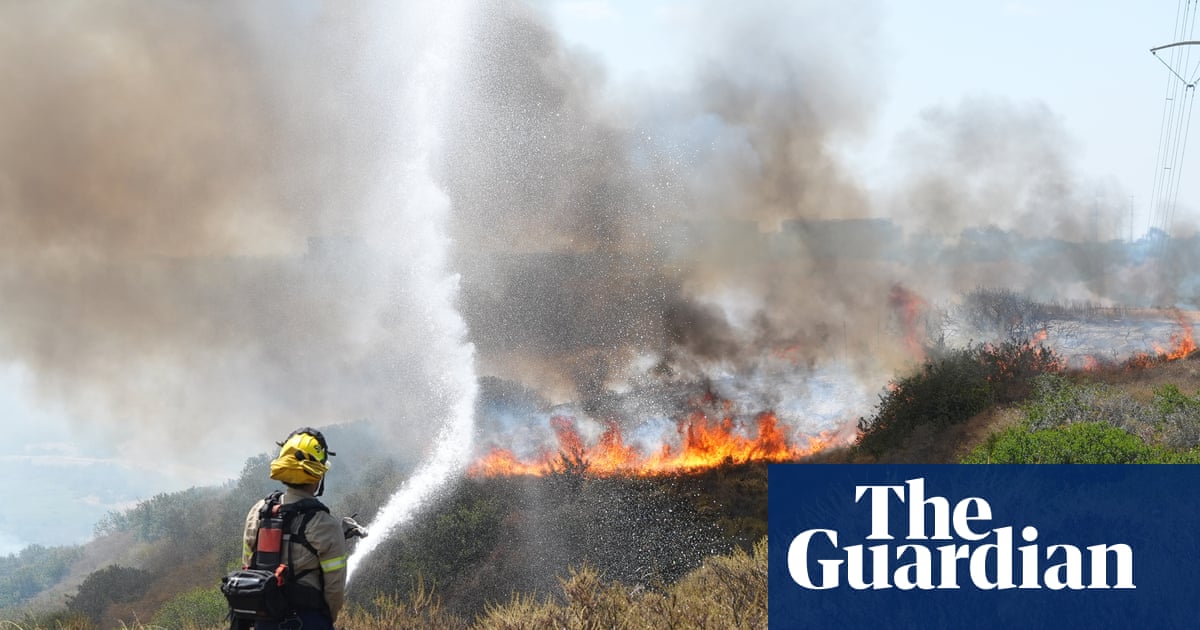
Yet climate coverage has dwindled. Newsrooms at NPR, CBS, and the Washington Post have cut climate reporting positions, and public discourse has dimmed, even as heatwaves, wildfires, and storms intensify. "There is this spiral of climate silence," Leiserowitz warns. "I’ve even heard some leaders of climate groups say, ‘don’t mention climate change.’" But the costs are impossible to ignore. A 2024 study co-authored by UCLA economist Kimberly Clausing found U.S. households are paying $400 to $900 more annually due to climate impacts, with some areas surpassing $1,300. These aren’t abstract numbers—they’re embedded in home insurance, medical bills, and grocery prices.
"If you live on the Gulf coast or in the rural American west you’d have to be out to lunch to not notice how climate change is affecting you in very real ways," Clausing said. The challenge lies in connecting the dots for those in less visibly impacted regions. Still, the data is clear: Americans support climate action, reject fossil fuel expansion, and feel the financial sting of inaction. As renewable projects face political headwinds but public backing, the momentum may not be in the halls of power—but in the homes, wallets, and weather reports of everyday citizens.