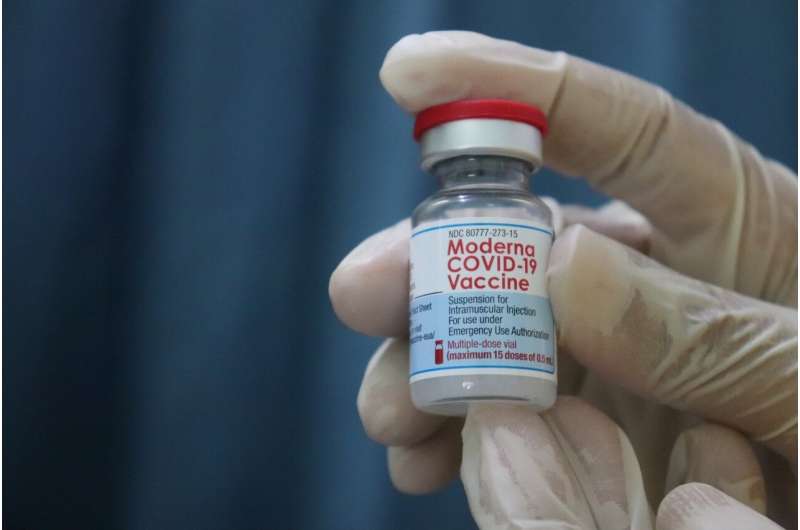
Mary Hernandez, a 62-year-old retiree from Tucson, Arizona, will be among the first Americans eligible for a new kind of flu shot this fall. The Food and Drug Administration (FDA) approved Moderna's mRNA-based flu vaccine, called mFLUSIVA, for all adults 50 and older, clearing the way for the first major new flu vaccine technology to reach the public in years.
The approval did not come easily. In February, the FDA rejected Moderna's application, saying the company's clinical trial data was inadequate. But just one week later, after what Moderna called a "constructive" meeting with regulators, the agency reversed course and allowed the review to proceed. Wednesday's approval came nearly six months after that initial roadblock.
mFLUSIVA uses messenger RNA, or mRNA, technology — the same genetic approach behind the COVID-19 vaccines that millions of people received during the pandemic. Those COVID shots were credited with saving millions of lives worldwide and have been deemed safe and effective by global health authorities. Now, Moderna is hoping the same science can offer better protection against influenza, a illness that hospitalizes hundreds of thousands of Americans each year and kills thousands.
Health experts have long sought better flu vaccines. Traditional flu shots are made using killed viruses grown in chicken eggs, a process that takes months and can reduce how well the vaccine matches circulating flu strains. mRNA vaccines can be designed and manufactured more quickly, potentially offering a better match to whichever flu viruses are spreading in a given season.
The new vaccine is expected to roll out for the 2026–2027 respiratory virus season, giving Moderna time to manufacture and distribute doses across the country. Adults 50 and older are specifically targeted because they face higher risks of serious flu complications, including hospitalization and death.
The approval arrives during a turbulent time for vaccine policy in the United States. Health Secretary Robert F. Kennedy Jr., who has expressed skepticism about vaccines, previously cut off federal research grants that funded mRNA development. Under Kennedy and President Trump, the FDA has signaled it may reconsider how it approves certain vaccines, proposals that have alarmed many public health professionals. Yet even Trump himself, during his first term, called mRNA technology a "modern-day miracle."
For Mary Hernandez and millions of older Americans, the practical impact is straightforward: one more tool to stay healthy through flu season, backed by the same science that helped end the worst of the COVID pandemic.