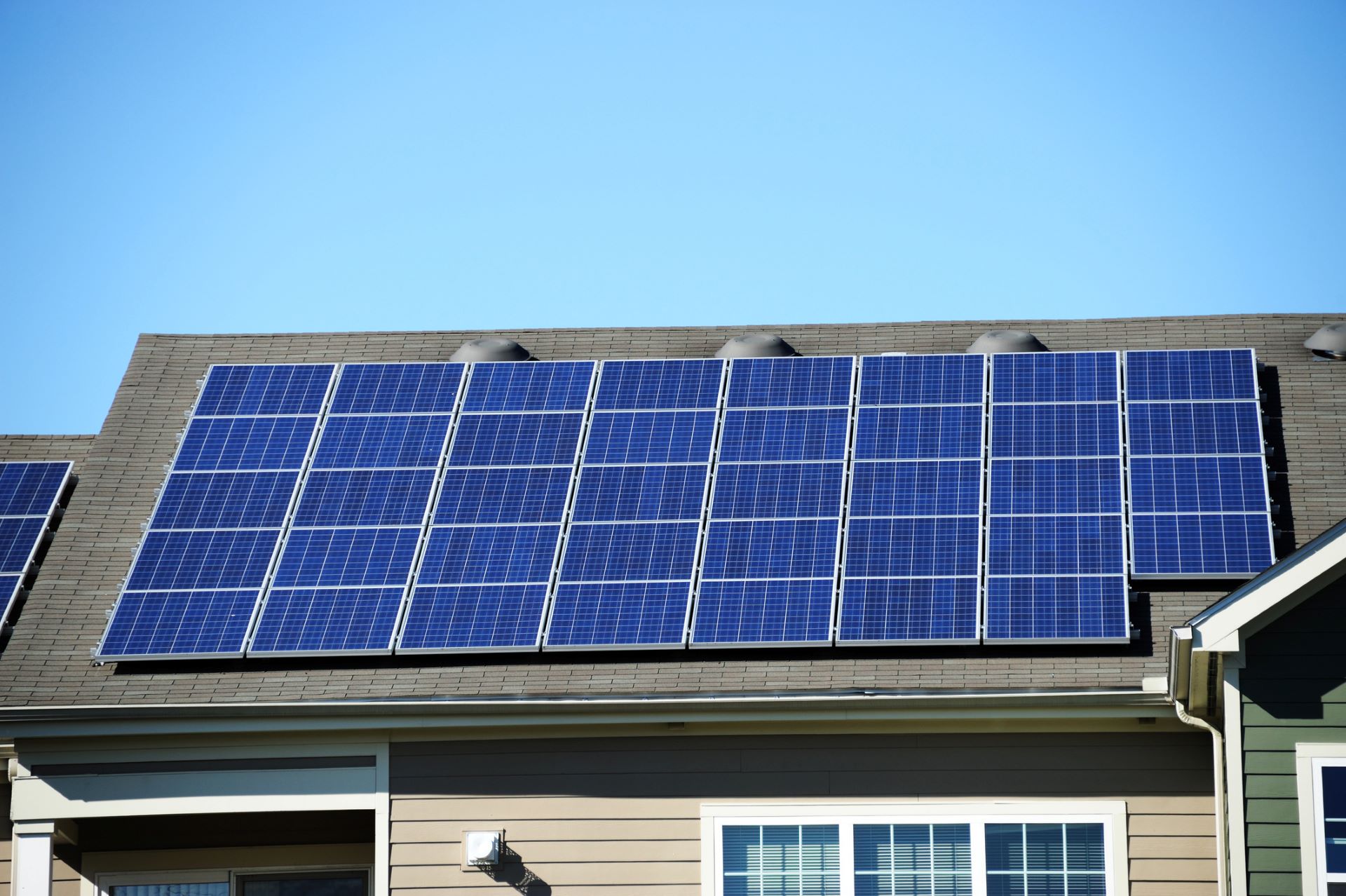
By the end of the second quarter of 2026, the sun was quietly doing a very big job for Americans: the country's solar panels had grown powerful enough to match the electricity use of more than 50 million homes — roughly one-third of every household in the nation.
That milestone is remarkable for another reason: it happened even as the federal government rolled back renewable energy incentives and voiced opposition to them. The growth didn't slow down. In fact, it sped up)Skip.
According to data reported by Electrek, a record 11.4 gigawatts of new solar capacity came online in the second quarter of 2026 — a jump of 43% from the first quarter and 45% from the same period a year earlier. A gigawatt, for scale, is enough to power a few hundred thousand homes, so this was no small addition.
Much of that surge came from large, utility-scale solar farms. Developers raced to finish projects before a July 2026 "safe harbor" deadline tied to federal tax credits, which helped lift that segment a stunning 61% above its year-ago level. Rooftop solar faced tougher times, largely because the federal Residential Clean Energy Credit — a popular 30% tax break for home systems — expired at the end of 2025. Analysts still predict home solar will rebound in 2027 as families look to cut energy bills and keep the lights on during outages.
One of the most surprising twists: the biggest solar growth is happening in places many people didn't expect. During the first half of 2026, 71% of all new solar production came from "red" states — Republican-leaning states that voted for the current president in the last election. Those states also accounted for eight of the top ten states for new solar installations. So even where leaders have been skeptical of renewables, homeowners and developers are voting with their wallets.
Nationwide, solar and battery storage together made up 70% of all new power capacity added in the first half of 2026. And experts say this isn't a passing fad. Wood Mackenzie, a well-known consultancy, projects the U.S. will nearly double its solar capacity by 2031.
For ordinary families, going solar remains one of the best ways to save on home energy. Free tools like EnergySage help homeowners compare quotes from vetted installers without pushy sales calls, and the average person can save up to $10,000. Adding battery storage can also help homes weather outages and even go off-grid.
The picture is clear: an energy revolution is underway, powered by falling costs, competitive markets, and the simple economics of cheaper electricity — and it shows no signs of slowing down.