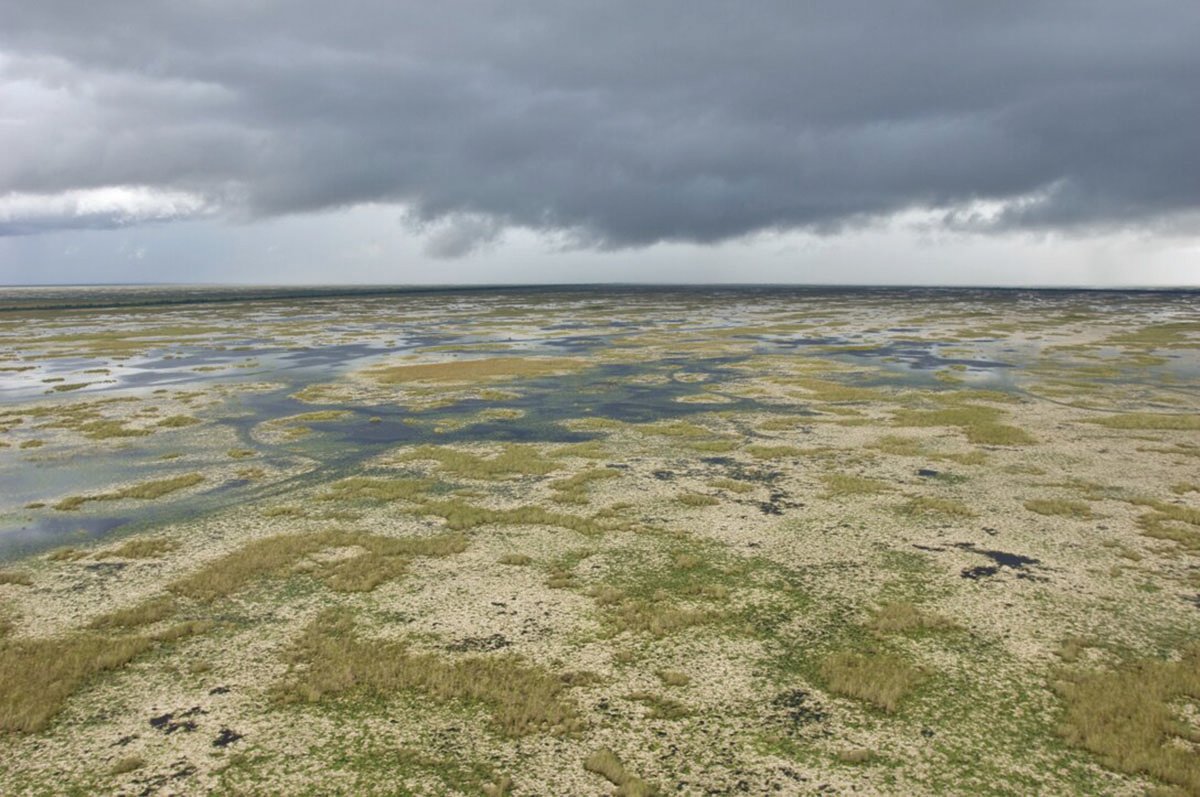
On May 29, the U.S. Army Corps of Engineers will unveil a sweeping blueprint for restoring one of North America's most iconic ecosystems—a roadmap that envisions orchestrating restoration work across more than 18,000 square miles of South Florida landscape. The Final 2026 Integrated Delivery Schedule, released by the Jacksonville District, represents far more than a bureaucratic document. It is a concrete commitment to reviving the Everglades by getting the foundational element right: water itself.
The Everglades restoration stands as one of the nation's most complex environmental undertakings, driven by a simple ecological truth that has guided decades of planning. When water flow, timing, and distribution are restored to natural patterns, entire ecosystems rebound. The Comprehensive Everglades Restoration Plan (CERP), which anchors this latest roadmap, encompasses 2.4 million acres and represents the largest aquatic ecosystem restoration effort in the United States. But scale alone does not measure significance—what matters is whether the restoration actually works, and whether it happens fast enough to prevent further degradation of a system that supports countless species and millions of people.
The 2026 IDS serves as the synchronizing document between federal ambition and state implementation. It lays out the sequencing of planning, design, and construction across multiple projects: Modified Water Deliveries to Everglades National Park, the Kissimmee River Restoration, Critical restoration projects, and the broader portfolio of Central and Southern Florida projects. Rather than competing for resources or advancing in isolation, these initiatives are now choreographed toward shared objectives. The schedule functions as what federal planners call a "living document," updated annually to reflect funding realities and the interdependencies between projects—a recognition that ecosystem restoration requires adaptive management.
The roadmap reflects sustained federal investment and leadership across administrations. The schedule incorporates actions taken during the Trump Administration to accelerate project delivery and strengthen the coordination between federal and state agencies that has historically complicated large-scale restoration efforts. This continuity signals something rare in environmental policy: a multi-year commitment that transcends political cycles and recognizes that restoring an ecosystem measured in millions of acres cannot happen in a single election term.
What makes the 2026 IDS particularly significant is its transparency about the journey ahead. Rather than hiding behind optimistic timelines, the document provides stakeholders and the public with a clear view of upcoming project milestones and the programmatic costs required to achieve them. This openness invites scrutiny but also builds accountability—communities that depend on Everglades health know what is planned and when, creating a foundation for meaningful public engagement.
The meeting itself, held virtually on May 29, brings together the Working Group of the South Florida Ecosystem Restoration Task Force. For those watching from across the country, the Everglades represents a test case. Can American institutions successfully restore a vast, interconnected ecosystem degraded by a century of development? Can federal and state governments move in genuine partnership? The 2026 roadmap will not answer those questions definitively—not yet. But it provides something essential: a detailed map for the next chapter of one of conservation's most consequential endeavors.
For those interested in participating virtually, the meeting runs from 9 a.m. to noon on Friday, May 29, at www.evergladesrestoration.gov.