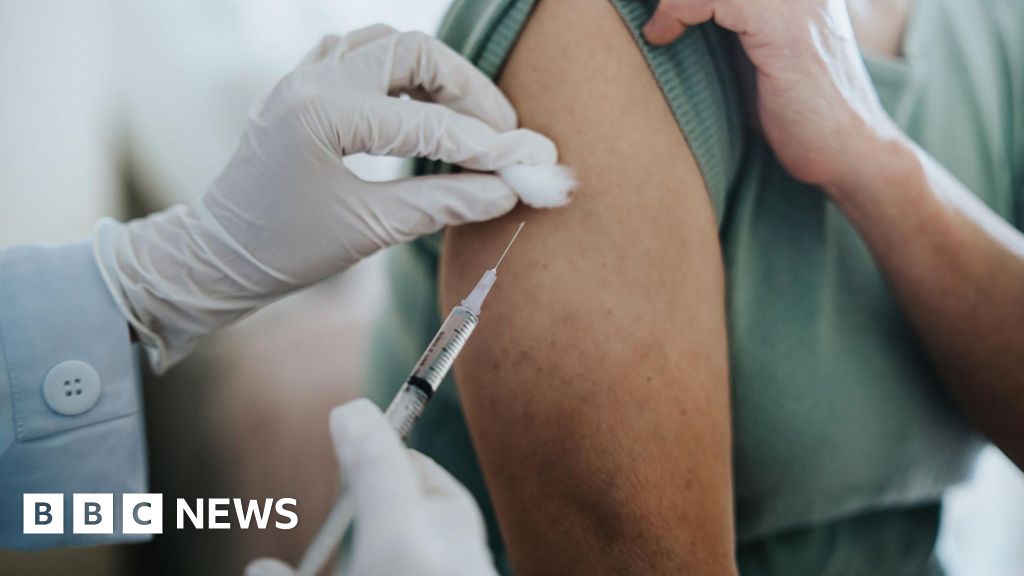
It's called Intismeran, and for more than 1,000 people in a landmark trial, the little jab did something remarkable: it kept their skin cancer from coming back. The vaccine, made by drug giants Merck (known as MSD in Europe) and Moderna, was designed to be as unique as a fingerprint — built from a scrape of each patient's own tumour.
The trial focused on people with high-risk melanoma, a serious type of skin cancer, who had already had surgery to remove their tumours. These patients ranged from those with large growths in one spot (stage two) to those whose cancer had already spread to other parts of the body (stage four). Each person received the new vaccine alongside a well-known immunotherapy drug called Keytruda, which helps the immune system fight cancer.
The early results are the exciting part. Compared with people who took Keytruda on its own, those who received the vaccine and drug together stayed cancer-free for significantly longer, and were less likely to see the disease spread to other organs. The companies haven't yet said exactly how much longer, but experts across the world are calling it a potential breakthrough.
So how does it work? The vaccine uses mRNA technology — the same clever science behind some Covid-19 vaccines. Scientists remove a small piece of a patient's tumour, read its DNA, and find the specific mutations inside the cancer cells. They then build a vaccine that teaches the immune system to spot and destroy any leftover tumour cells, like giving your body a wanted poster of the enemy.
Prof Peter Johnson, the national clinical director for cancer at NHS England, told the BBC it was an exciting development. Older immune treatments, he explained, mostly just "cut the immune system loose and hope it recognises the cancer." This new approach directs it very specifically — and he says the NHS is already preparing to bring this kind of treatment to patients.
Others are hopeful but careful. Dr Talisia Quallo of Cancer Research UK said the research "shows promise," but stressed that the full results still need to be checked by independent experts. Dr Lennard Lee of the University of Oxford went further, calling it "proof of principle that personalised cancer vaccines work" — a finding with implications far beyond melanoma, since the same companies are now testing similar vaccines for lung, bladder and kidney cancers.
Stephane Bancel, Moderna's chief executive, called the news a "pivotal moment" in cancer research. More detailed findings will be presented at a medical conference in October. There's still a long road ahead: the treatment must pass full review and win approval from regulators before it reaches patients on the NHS. But for a world hungry for hope, this is a glimpse of a future where cancer treatment is tailored to each person — and that is worth watching closely.