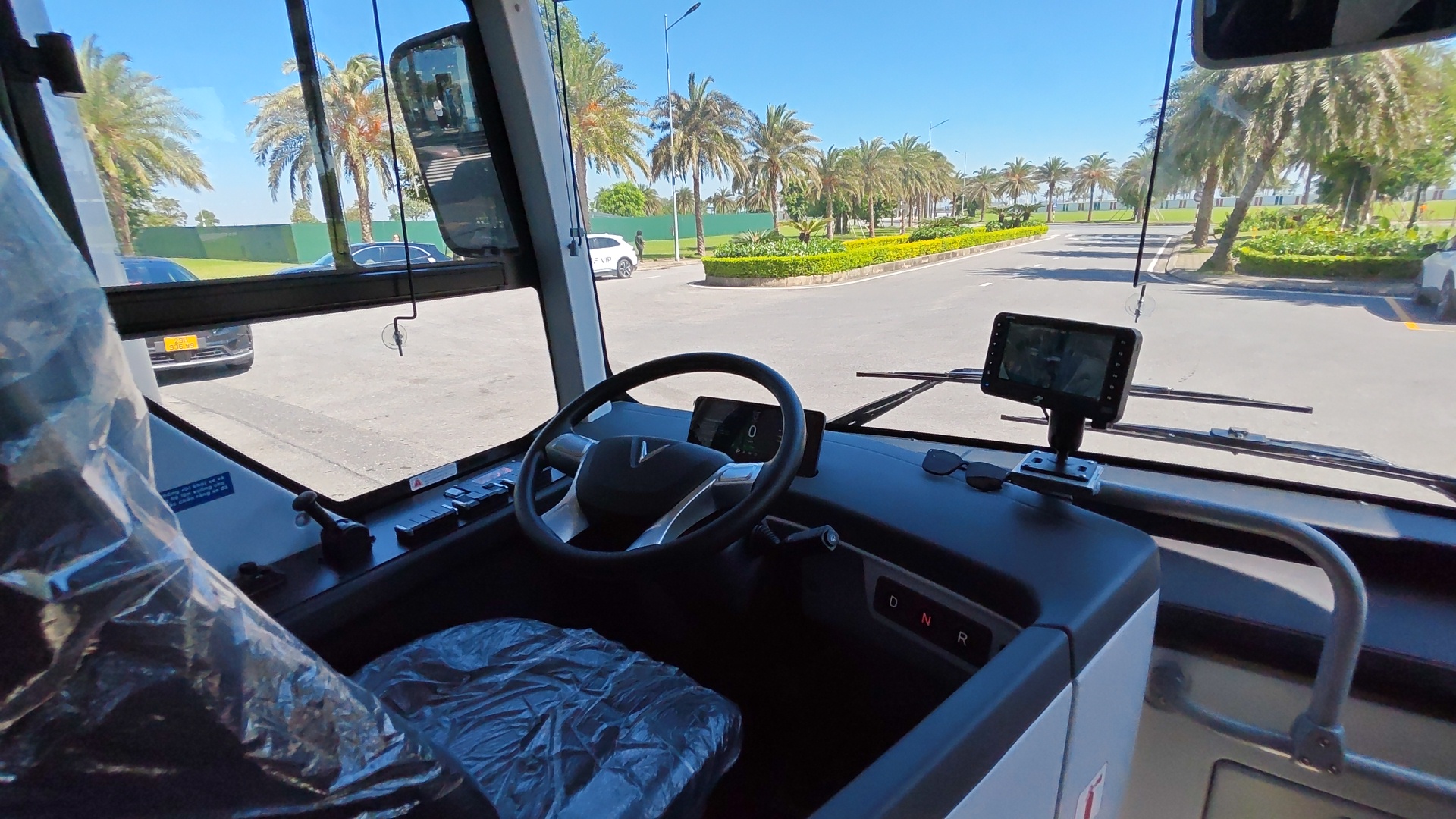
In Vietnam, VinFast has already shaped the landscape of urban mobility—3,000 electric buses now roll through streets from Hanoi to Ho Chi Minh City, transforming how millions move through the city. Yet when VinFast Southeast Asia Chief Executive Officer Antonio "Toti" Zara looks toward the Philippines, he sees promise without rushing in. The Vietnamese electric vehicle maker is carefully monitoring the Philippines' emerging electric bus market, watching for the right moment to bring its e-bus solutions to Southeast Asia's second-most populous country.
The Philippines stands at a crossroads in its transportation evolution. As cities grapple with congestion and air quality, the government has set ambitious electrification targets. For VinFast, which has already proven its expertise in scaling electric public transport at home, entering this market makes strategic sense—but only when the conditions are right. "At this stage, we do not have any immediate plans to enter the bus segment in the Philippines," Zara said. "However, we are closely monitoring developments in this space, particularly as cities and operators continue to accelerate their shift toward electrified public transport."
What VinFast is really waiting for is alignment. The company believes government action is essential, particularly the definition of clear "green routes"—dedicated corridors where electric buses operate exclusively. This approach solves what Zara identifies as the electric bus industry's biggest challenge: infrastructure. When e-buses concentrate on specific routes rather than mixing with traditional combustion engines, building supporting infrastructure becomes far more manageable. Charging stations and depot facilities can be deployed at scale, creating the ecosystem that makes electric buses economically viable for operators.
The company brought a practical example to the Philippines during a recent media event: the EB8, an 8.6-meter mid-size city bus already operating across Vietnam. At this length, the EB8 sits between a traditional full-size city bus and a minibus—a sweet spot for high-density urban operations on narrower streets and secondary routes where larger vehicles struggle. However, the EB8 falls outside the dimensions allowed under the Philippine Utility Vehicles Modernization Program, the government initiative driving transportation renewal. A smaller option, the recently introduced EB6, would fit those requirements, though VinFast has not yet committed to Philippine deployment.
Beyond buses, VinFast is preparing to expand its passenger vehicle footprint in the country. The upcoming MPV 7, a premium seven-seater SUV, represents the brand's response to growing Philippine demand for family-oriented electric vehicles. Zara also highlighted the company's GREEN line, which includes the Herio Green and Limo Green—commercial vehicles designed for both taxi and ride-sharing services, a segment increasingly critical to urban mobility and economic growth.
The company's wider strategy reflects a pattern: VinFast moves into markets where policy, demand, and infrastructure align. In Europe, the company showcased two electric bus models at Busworld Europe 2025 in October, signaling serious ambitions beyond Vietnam. For the Philippines, Zara's message is clear: VinFast will enter when government, operators, and infrastructure providers coordinate effectively. The waiting period isn't hesitation—it's strategy, waiting for the Philippines to create the conditions where electric buses can thrive at scale.