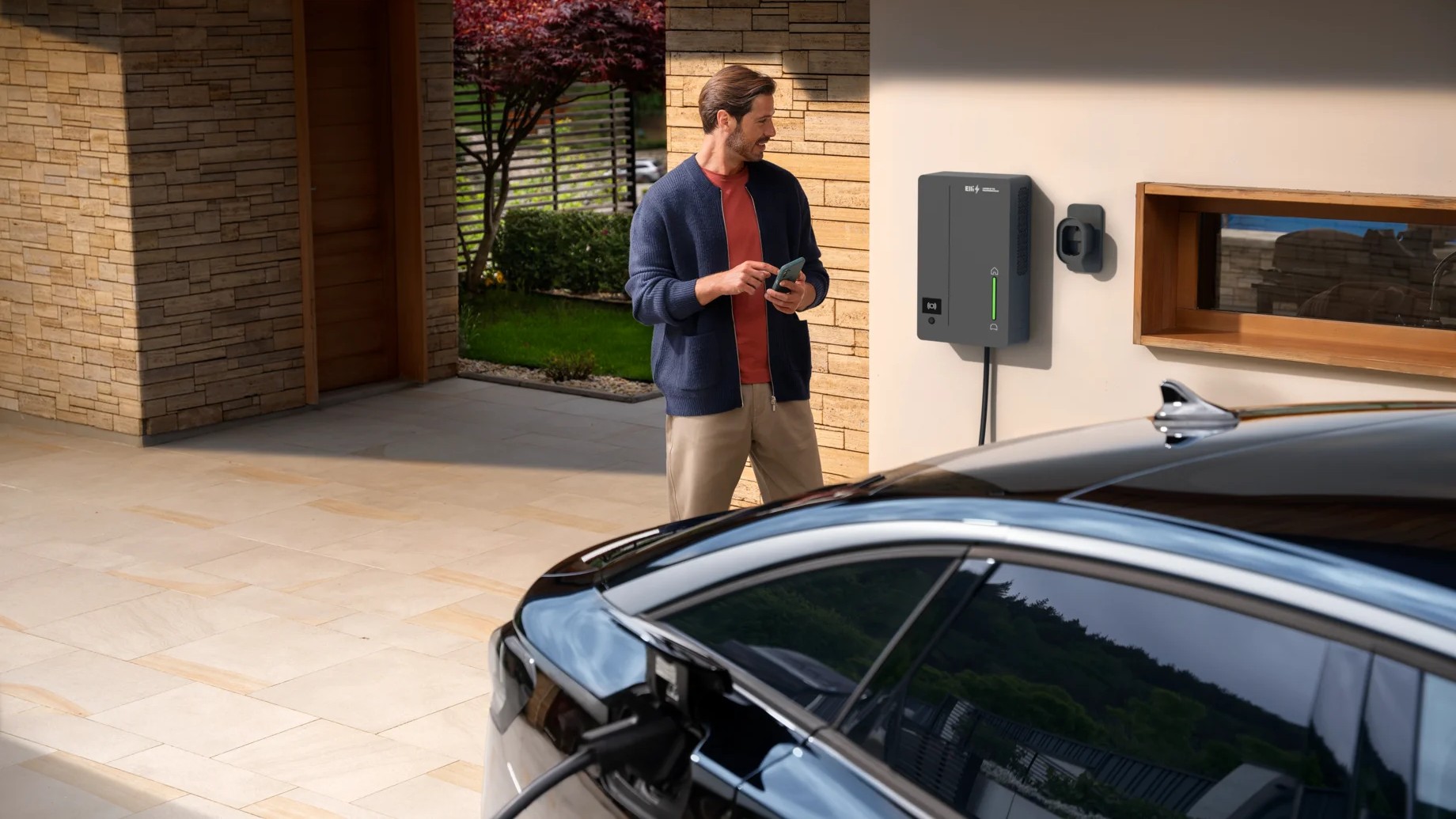
Giovanni Palazzo has a message for the 100 million electric cars expected on European roads by 2030: your car is more than just a way to get from A to B. It's basically a rolling battery pack that could help power the entire continent. Palazzo is the CEO of Elli, the Volkswagen Group's division focused on clean energy and charging. And he just launched something that could change the game for millions of drivers.
Elli has kicked off its vehicle-to-grid, or V2G, service in Germany. V2G sounds complicated, but here's the simple version: when your electric car isn't moving, it can sell electricity back to the power grid. Think of it like this — most cars sit parked for 90% of the day. All that downtime means a big battery just sitting there. V2G lets car owners put that battery to work.
The numbers are eye-catching. Elli estimates that drivers could earn up to 720 euros per year — roughly the cost of driving 15,500 kilometers. For someone with a typical European commute, that could mean powering your car for free. The math assumes drivers keep their car plugged in for about 250 hours each month, which is easy if you have a home charger or park at work. Commercial fleets, which often leave vehicles sitting even longer, could see even bigger benefits.
The service launches first in Germany and will spread to England and France in 2027. At first, it'll work with the new ID. Tiguan — a compact SUV hitting markets this year with a large enough battery to make V2G really worthwhile. Going forward, cars running the new ID Software 6 (debuting with the ID. Polo) will come V2G-ready, along with vehicles already running ID Software 3.5 or higher if they have a battery bigger than 77 kilowatt-hours.
Palazzo sees this as a turning point. "We are observing a fundamental shift in the way we connect mobility and energy," he said. "On the car manufacturer side, for the first time in over 100 years, we are given something back to customers, which is an actual revenue proposition." In other words, car companies have always taken something from drivers — fuel, emissions, money. Now, for the first time, they might actually give something back.
The system is designed to be dead simple. Users just tell the app when they plan to leave and how much charge they want. Elli handles the rest, buying and selling electricity to the grid automatically. The car only uses energy between 20% and 80% battery capacity, so there's always a buffer for the drive home. Drivers who want more control can monitor everything in real time through the app.
This matters beyond individual savings. Experts at a recent Dutch government briefing pointed out that the extra demand EVs place on power grids can actually be solved by the cars themselves — if enough of them can feed energy back. Elli is betting that making it easy and profitable for everyday drivers will be the key to making that happen. "The energy transition needs storage," Palazzo noted, "and many of these are already in our customers' garages."