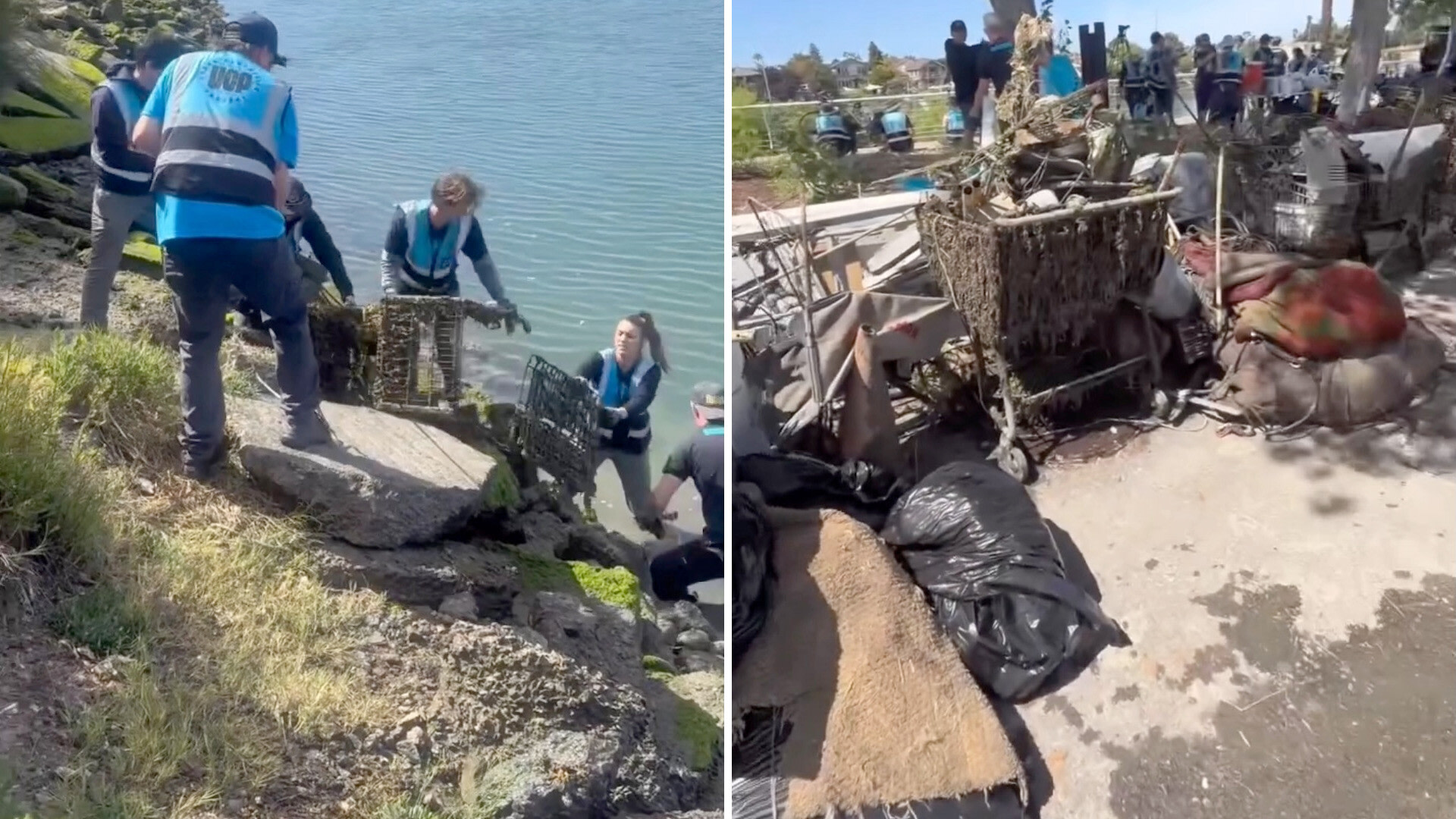
On a crisp Saturday morning along the Oakland shoreline, 56 volunteers gathered at the edge of the Alameda Estuary, gloves on and ropes in hand, ready to reclaim a sliver of California’s vanishing tidal habitat. In just three hours, they hauled out 2,000 pounds of trash—enough to fill the back of a small truck—from the fragile waterway that snakes between Oakland and Alameda. The cleanup, led by the Urban Compassion Project, wasn’t just about removing litter; it was a frontline defense for one of the last remaining tidal ecosystems in the region.
More than 95% of Oakland’s original tidal mudflats have already been lost to development and pollution, a stark reality shared by biology educator Saumitra, known online as @oakland.bio, who briefed the group before the work began. With so little habitat left, every stretch of shoreline becomes critical—not just for birds, fish, and native plants, but for the health of the entire San Francisco Bay. "The work you all do all throughout Oakland helps protect this area specifically and all areas that are along waterways and along shorelines and also all of the creatures that call it home," Saumitra told the volunteers, his voice underscored by the lapping of waves against the muddy banks.
What they pulled from the estuary was a testament to human carelessness: shopping carts, plastic bags, tangled fishing lines, and waterlogged debris that had settled into the soft mud. Using ropes and sheer determination, volunteers dragged heavy items from the water’s edge and stacked them into neat rows of black bags. By the end of the morning, a long line of trash bags stood like a monument to what collective action can achieve in a single tide cycle.
Estuaries like this one act as natural filters, nurseries for marine life, and buffers against flooding. But when they’re choked with trash, those functions break down. Plastics fragment into micro-pollutants, birds get entangled, and water quality suffers. For nearby residents, the cleanup also meant reclaiming a space for walking, biking, and connection. One local wrote online, "I drove past all these gross muddy carts today. I live along the estuary and can't thank you enough!!"
The Urban Compassion Project has removed 3,300 tons of waste from the Bay with the help of 4,000 volunteers since its founding—proof that small, sustained efforts add up. Saumitra continues to use his social media platform to educate the public about native species and restoration efforts, while local figures like Pengweather have become legends for their relentless cleanups. Together, they’re not just cleaning up trash—they’re rebuilding a sense of stewardship for one of California’s most vital, and vulnerable, ecosystems. And as more people show up, boot-deep in mud and full of purpose, the tide may finally be turning.