Håkan Samuelsson, 75, stood by his vision for Volvo Cars in a recent interview, his voice steady and resolute: the company will be fully electric by 2030, no matter the headwinds. At a time when automakers from Ford to GM are scaling back EV ambitions, pausing production lines, and writing off billions, Samuelsson’s commitment stands out as both defiant and refreshingly clear-eyed. While the global auto industry stumbles through policy shifts and consumer hesitancy, Volvo is not hitting the brakes — it’s pressing forward with conviction.
The push for electrification is no longer just an environmental imperative; it’s a strategic survival move for automakers with global reach. And Samuelsson, who has steered Volvo through a decade of transformation, sees the long arc of change more clearly than most. "We should be prepared to be all electric because I am totally convinced the future for a small company like Volvo is not to try to slow down development. We should try to speed up," he said. That mindset has shaped Volvo’s trajectory since it became the first legacy automaker to announce a full EV transition.
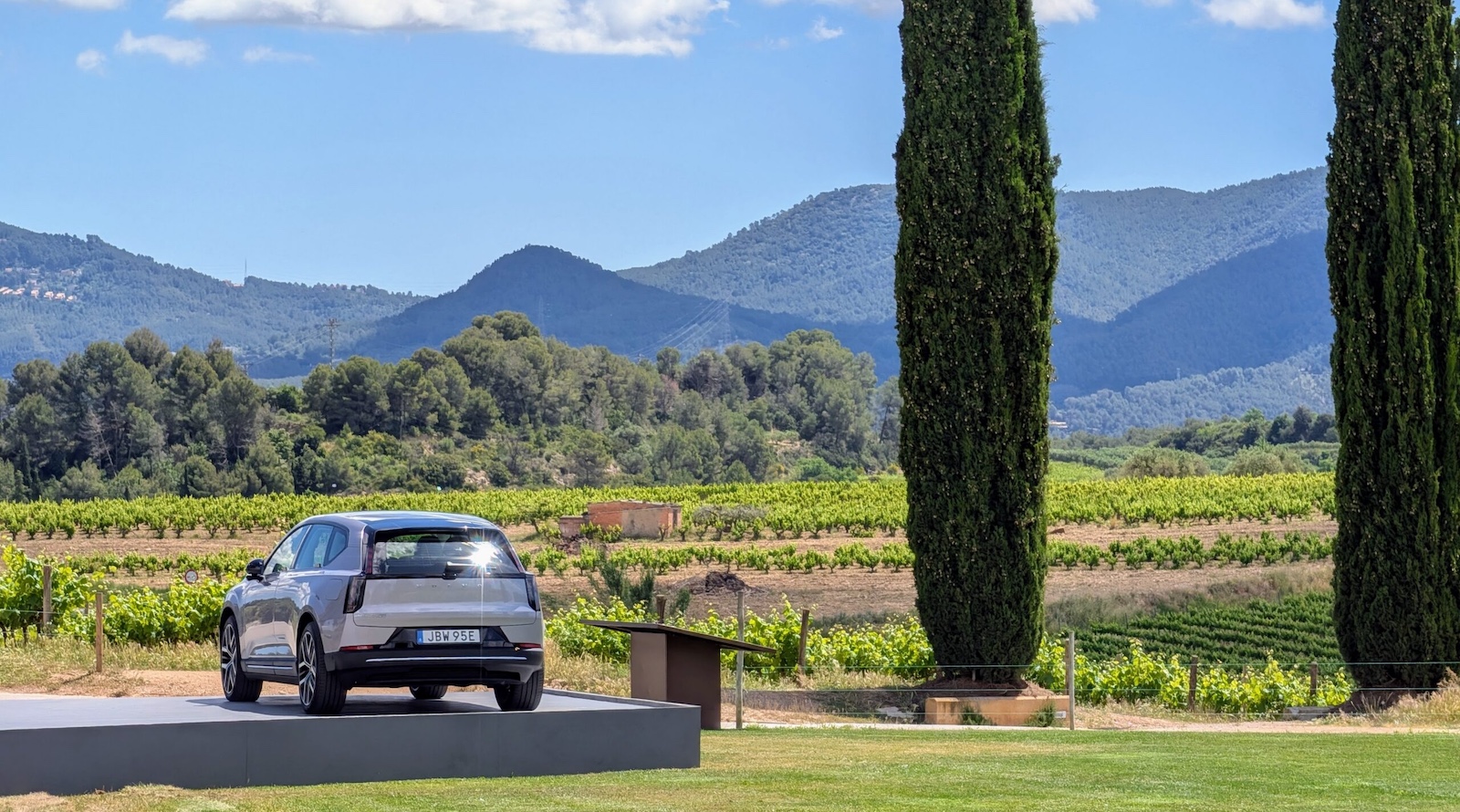
Gone are the days of one-size-fits-all car manufacturing. "Globalization is dead. Now it is a regional world," Samuelsson declared, underscoring a seismic shift in how vehicles are designed and sold. In China, Volvo builds models for Chinese buyers — and they stay there. In Europe, the EV transition is accelerating, with strong policy support and consumer demand. But in the US, the pace lags. Gas-powered vehicles still dominate, and even plug-in hybrids remain popular. Yet Samuelsson sees opportunity: the compact EX60 and the larger, three-row EX90 are positioned to gain traction in a market that’s warming — slowly — to electric driving.
Volvo’s commitment isn’t just talk. Since 2021, the share of fully electric vehicles in its global sales has surged from 2.5% to over 38% in the first quarter of 2024. The EX30, its compact electric SUV, has become one of Europe’s fastest-selling EVs in its class. Meanwhile, the company is investing €12 billion in EV production in Europe and expanding battery partnerships with Northvolt and CATL. These are not the moves of a company hedging its bets — they’re the actions of one betting everything on a zero-emission future.
The impact extends beyond balance sheets. By staying the course, Volvo is proving that long-term vision can withstand short-term turbulence. It’s a signal to policymakers, investors, and consumers that electrification isn’t a fad — it’s the foundation of the next era of mobility. As other automakers retreat, Volvo’s resolve offers a roadmap: adapt, accelerate, and lead. The road to 2030 is long, but for Volvo, there’s no turning back.