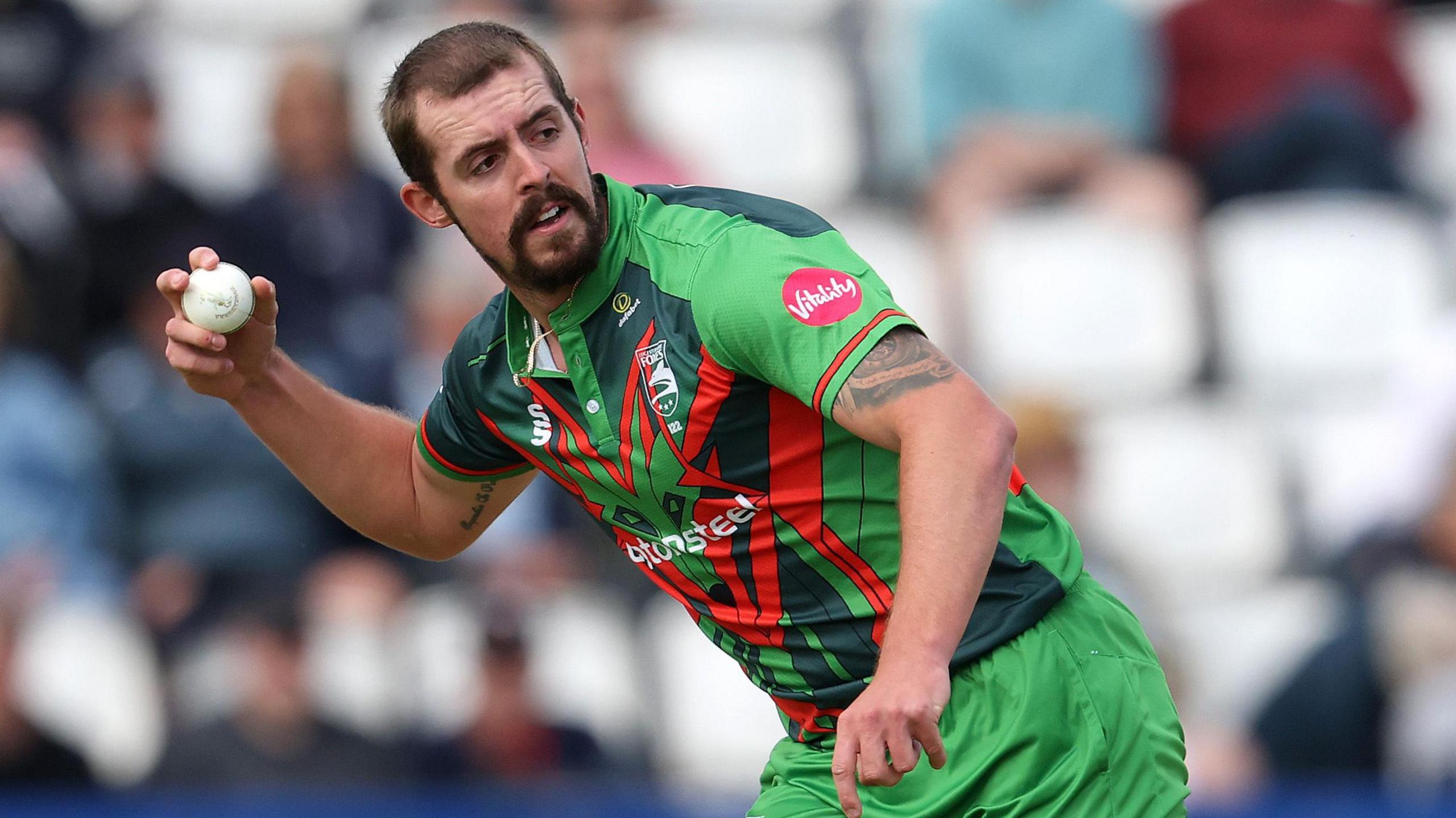
Roman Walker was bowling 90-mile-an-hour deliveries at international cricket stars just months ago—but he's traded the crease for the oche, and he's already eyeing a professional darts career. The 25-year-old former Leicestershire pace bowler has discovered an unlikely second act in elite sport, joining the Central England Darts League after his professional cricket contract ended in 2025, and the transition, he says, feels remarkably natural.
Walker's cricket pedigree speaks for itself. Across six years with Glamorgan and Leicestershire, the Wrexham-born bowler took 53 wickets across all formats, including 24 T20 Blast scalps at an average of just 24. But his signature moment came in a tour match against India, when he claimed 5-24—a haul that included the wickets of former Indian captains Virat Kohli and Rohit Sharma, plus all-rounder Ravindra Jadeja. That kind of performance, against the world's best batsmen, etches a name into cricket history.
Yet the professional game exacted its toll. After leaving Leicestershire, Walker candidly acknowledged the psychological weight of first-class cricket: the competition for places, the weekly rejections, the relentless pressure. "When you are not necessarily in the first-team every week, it is a really tough place to be," he told BBC Radio Shropshire. Stepping away came with both loss and liberation. For someone who "went straight from school into professional cricket," the freedom felt almost disorienting. "You can lead your own life, which is a freedom I've not had ever," he reflected. Still, he kept one foot in the game, continuing to play minor counties cricket for Shropshire.
But something unexpected happened when Walker picked up a dartboard. The mental discipline required for elite sport—the composure under pressure, the ability to visualize success, the competitive hunger—translates directly onto the darts stage. Within weeks of joining his local Monday night league, Walker had begun climbing the rankings. He qualified for the UK Open finals qualifier, putting himself within three matches of the Professional Darts Corporation's main event at Minehead. Though he ultimately fell short—the other competitors averaged 15-20 points above his—he's treating the loss as a learning experience, not a setback.
"There are small advantages you can take, in terms of the mental game, from cricket into darts," Walker explained. "It's very interchangeable." At 25, he's given himself a decade to earn a PDC Tour card, a target that sounds audacious until you remember who he is: a man who has already bowled at world-class batsmen and won. His hand-eye coordination is sharp. His nerve is tested. His hunger, it seems, hasn't dimmed.
What strikes most is Walker's genuine contentment. He speaks of darts with the same brightness he might have reserved for cricket, and he credits the sport with opening his eyes to possibility. "I've met a bad person who I've played against, or with on a team," he said. "It has opened my eyes to the freedom of life and what else is out there." The message is clear: life after one elite sport isn't an ending. It's an opening.