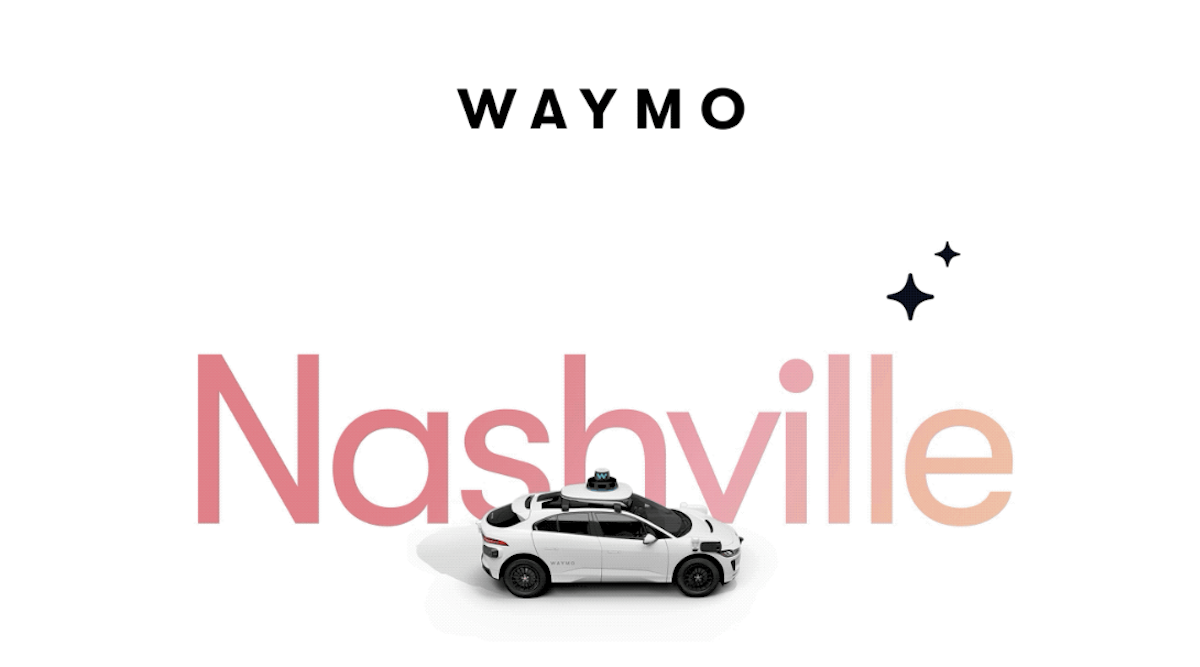
When James Brown needs a ride, he no longer has to call a family member, a friend, or a stranger. Since Waymo opened its robotaxi service to the public in Nashville this spring, the president of the National Federation of the Blind of Tennessee has been experiencing something millions of blind Americans rarely have: total independence behind the wheel.
"It's more than a new technology—it's a level of independence, dignity, and opportunity that many blind people have never had the chance to experience," Brown said.
Nashville is now the latest city where residents can hail a Waymo robotaxi simply by downloading the app. Since opening its interest list in April, the company says it has welcomed tens of thousands of riders eager to try what it calls "the safety, reliability, and magic of Waymo." And the numbers behind that promise are striking: the Waymo Driver has been involved in 94% fewer crashes causing serious or fatal injuries than human drivers operating in the same conditions.
The company is quick to emphasize safety as its guiding principle. "Our growth is built on real-world performance, rigorous testing, and extensive operational preparation," Waymo noted, adding that its vehicles are designed to handle fast-changing weather and coordinate with local safety partners.
For Nashville, the rollout is just the beginning. Waymo is already conducting tests at Nashville International Airport, with plans to serve travelers there in the near future. And later this year, riders won't even need a separate app—Waymo rides will be available through the Lyft platform, making the service as accessible as ordering a traditional ride.
The launch comes as autonomous vehicle technology continues to prove itself on city streets across the country. But for communities that have long faced transportation barriers—particularly people with disabilities—the impact reaches far beyond convenience. Brown put it simply: before Waymo, every ride he ever took depended on someone else. Now, for the first time, it doesn't.